Common asthma triggers, how to manage attacks, when to use a rescue inhaler, and when to see a provider for worsening symptoms.
Need Care Today?
Get a same-day telehealth visit with a board-certified provider.
Licensed in PA, MD, WA & DE
Book a Visit →Common Asthma Triggers
Asthma triggers are substances or conditions in the environment that irritate the airways and set off an asthma flare-up. Identifying your personal triggers is one of the most effective steps you can take toward better asthma control. While triggers vary from person to person, several categories are common across most patients with asthma.
The most frequently reported asthma triggers include:
- Allergens: Dust mites, pet dander, mold spores, cockroach droppings, and seasonal pollen from trees, grasses, and weeds
- Respiratory infections: Colds, influenza, sinus infections, and other upper respiratory viruses are among the most common causes of asthma flare-ups, especially in children
- Airborne irritants: Tobacco smoke, wood smoke, air pollution, strong chemical fumes, perfumes, and cleaning products
- Weather changes: Cold, dry air; sudden temperature shifts; high humidity; and thunderstorms (which can disperse pollen and mold at ground level)
- Exercise: Physical activity, particularly in cold or dry air, can trigger exercise-induced bronchoconstriction in many asthma patients
- Stress and strong emotions: Anxiety, crying, laughing hard, or yelling can alter breathing patterns and provoke airway narrowing
- Medications: Aspirin, NSAIDs (such as ibuprofen), and beta-blockers can worsen asthma in susceptible individuals
- Gastroesophageal reflux (GERD): Acid reflux can irritate the airways and worsen asthma symptoms, particularly at night
Keeping an asthma diary to track when symptoms occur and what you were exposed to beforehand can help you and your provider identify patterns. If allergies are a major trigger, strategies such as allergen avoidance, air purifiers with HEPA filters, and allergy medications may significantly reduce your flare-up frequency.
Recognizing a Flare-Up
An asthma flare-up (also called an exacerbation or attack) occurs when the airways become increasingly inflamed and constricted, making it harder to breathe. Recognizing the early warning signs of a flare-up allows you to intervene quickly before symptoms become severe. Many people experience subtle changes in their breathing hours or even days before a full attack develops.
Early warning signs of an asthma flare-up include:
- Increased coughing, especially at night or early morning
- Mild wheezing or whistling sound when breathing out
- Feeling short of breath with activities that normally do not cause difficulty
- Chest tightness or a feeling of pressure across the chest
- Decreased peak flow meter readings (if you monitor your peak flow)
- Difficulty sleeping due to coughing, wheezing, or breathlessness
- Needing your rescue inhaler more often than usual
As a flare-up progresses, symptoms may escalate to persistent wheezing, rapid breathing, difficulty speaking in full sentences, visible use of accessory muscles in the neck and chest to breathe, and anxiety or a sense of panic. If your rescue inhaler is not providing relief within 15 to 20 minutes, or if symptoms continue to worsen, seek emergency medical care. Having an asthma action plan from your provider helps you know exactly what steps to take at each stage of a flare-up.
Using Your Rescue Inhaler
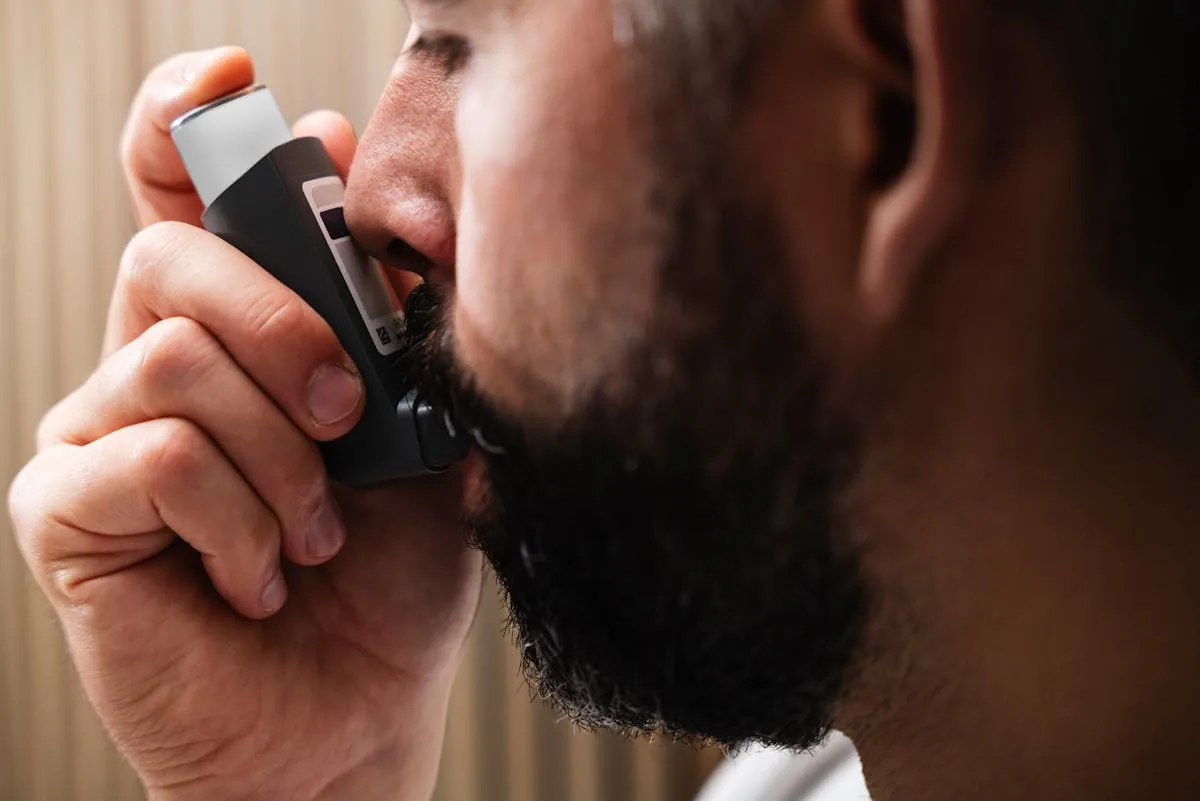
Your rescue inhaler (typically albuterol, also known by brand names such as ProAir, Ventolin, or Proventil) is a short-acting beta-agonist (SABA) that works by rapidly relaxing the smooth muscles around your airways. This opens the airways within minutes and provides quick relief from acute symptoms like wheezing, coughing, and shortness of breath. Every person with asthma should have a rescue inhaler readily accessible at all times.
To get the most benefit from your rescue inhaler, proper technique is essential:
- Shake the inhaler well before each use (for metered-dose inhalers)
- Breathe out fully before placing the mouthpiece in your mouth or using a spacer
- Press down on the canister while inhaling slowly and deeply for 3 to 5 seconds
- Hold your breath for about 10 seconds after inhaling to allow the medication to reach deep into the airways
- Wait at least 30 to 60 seconds between puffs if a second dose is needed
- Rinse your mouth with water after use to minimize any residual taste or throat irritation
Using a spacer device with a metered-dose inhaler improves medication delivery to the lungs and is recommended for most patients. If you find yourself needing your rescue inhaler more than two days per week (excluding use before exercise), this is a sign that your asthma may not be well controlled and your treatment plan may need adjustment. Bring this up with your provider during your next asthma management visit.
Preventing Asthma Attacks
Prevention is the cornerstone of effective asthma management. While you cannot cure asthma, you can significantly reduce the frequency and severity of attacks by combining trigger avoidance, medication adherence, and proactive monitoring. A well-structured asthma action plan developed with your provider serves as your personal roadmap for daily management and emergency response.
Key strategies for preventing asthma attacks include:
- Take controller medications daily: Even when you feel well, consistent use of prescribed maintenance inhalers prevents the underlying airway inflammation that leads to flare-ups
- Minimize trigger exposure: Use allergen-proof mattress and pillow covers, keep indoor humidity below 50 percent, avoid tobacco smoke, and stay indoors on high-pollen or high-pollution days
- Get vaccinated: Annual flu shots and staying current on pneumonia and COVID-19 vaccines reduce the risk of respiratory infections that commonly trigger asthma attacks
- Monitor your peak flow: Regular use of a peak flow meter can detect airway narrowing before you feel symptoms, giving you time to act
- Warm up before exercise: A 10 to 15 minute warm-up period and using your rescue inhaler 15 minutes before vigorous activity can prevent exercise-induced symptoms
- Manage related conditions: Treating allergies, GERD, and sinus infections reduces the inflammatory burden on your airways
If you are experiencing frequent respiratory illnesses that worsen your asthma, treating those infections promptly can help prevent cascading flare-ups. Prevention works best when you and your provider collaborate on a plan tailored to your specific triggers and lifestyle.
Controller Medications
Controller medications are the foundation of long-term asthma management. Unlike rescue inhalers that provide quick relief during an attack, controller medications work gradually to reduce the chronic airway inflammation and hyperreactivity that make asthma attacks possible in the first place. They are taken daily on a consistent schedule, regardless of whether you are experiencing symptoms.
The most commonly prescribed controller medications include:
- Inhaled corticosteroids (ICS): Medications such as fluticasone (Flovent), budesonide (Pulmicort), and beclomethasone (QVAR) are the most effective long-term controllers. They reduce airway inflammation and swelling when used consistently
- Combination inhalers (ICS/LABA): Products like fluticasone/salmeterol (Advair), budesonide/formoterol (Symbicort), and mometasone/formoterol (Dulera) combine an anti-inflammatory corticosteroid with a long-acting bronchodilator for dual-action control
- Leukotriene modifiers: Oral medications such as montelukast (Singulair) block inflammatory chemicals called leukotrienes and are sometimes used alongside inhaled corticosteroids or for patients with both asthma and allergies. On March 4, 2020 the FDA added a Boxed Warning to montelukast for serious mental health side effects — including agitation, depression, sleep disturbance, and suicidal thoughts or actions — and advised health care professionals to carefully weigh the benefits and risks before prescribing montelukast for asthma. Discuss this with your provider before starting or continuing the medication.
- Long-acting muscarinic antagonists (LAMA): Tiotropium (Spiriva Respimat) may be added as an additional controller in patients whose asthma is not adequately controlled with ICS/LABA combinations
It is important to understand that controller medications take days to weeks to reach full effectiveness. Stopping them because you feel better is a common mistake that leads to worsening symptoms and increased flare-ups. Always rinse your mouth and spit after using inhaled corticosteroids to reduce the risk of oral thrush and hoarseness. Your provider can help you find the right controller regimen based on your symptom severity, insurance coverage, and personal preferences.
When to Adjust Your Treatment
Asthma is a dynamic condition, and the treatment plan that works well for you today may need to be adjusted as your symptoms, triggers, or life circumstances change. National asthma guidelines recommend a stepwise approach, where therapy is stepped up when control is inadequate and stepped down when symptoms have been stable for an extended period. Regular reassessment with your provider is essential to keep your treatment optimized.
Signs that your asthma treatment may need to be stepped up include:
- Using your rescue inhaler more than two days per week
- Waking up at night due to asthma symptoms more than twice a month
- Needing to limit normal physical activities because of breathing difficulty
- Having more than one asthma exacerbation requiring oral corticosteroids per year
- Peak flow readings consistently below 80 percent of your personal best
- Missing work or school due to asthma symptoms
Conversely, if your asthma has been well controlled for three months or longer -- meaning minimal symptoms, no nighttime awakenings, no activity limitations, and normal peak flow -- your provider may consider stepping down your therapy. This might mean reducing the dose of your inhaled corticosteroid or discontinuing an add-on medication. Any step-down should be done gradually and under provider supervision to ensure symptoms do not return. Seasonal changes, pregnancy, new allergies, or starting new medications are also common reasons to reassess and adjust your asthma treatment plan.
Managing Asthma Through Telehealth
Telehealth has become a valuable tool for ongoing asthma management, allowing patients to connect with their provider for routine check-ins, medication adjustments, and flare-up evaluations without the need for an in-person office visit. Research has shown that telehealth-based asthma care can improve medication adherence, reduce emergency department visits, and enhance overall asthma control -- particularly for patients who face barriers to in-person appointments.
During a telehealth asthma visit, your provider can:
- Review your current symptoms, rescue inhaler use, and peak flow readings
- Assess your asthma control level using standardized tools such as the Asthma Control Test (ACT)
- Adjust your controller medication dosage or switch to a different medication
- Refill prescriptions for inhalers and other asthma medications
- Create or update your written asthma action plan
- Review inhaler technique via video to ensure proper use
- Evaluate for related conditions such as allergies or respiratory infections that may be worsening your asthma
At InnoCre Telehealth, we provide comprehensive asthma care for patients in Pennsylvania, Maryland, Washington, and Delaware. Whether you need a routine check-in, a medication refill, or help managing a worsening flare-up, our providers are available for same-day virtual visits. We believe that consistent, accessible follow-up is the key to keeping asthma well controlled and helping you live without the constant worry of your next attack.
Frequently Asked Questions
What triggers asthma attacks?
Common triggers include allergens like dust mites, pollen, and pet dander, respiratory infections, exercise, cold air, air pollution, smoke, strong odors, and stress.
How do I know if my asthma is getting worse?
Warning signs include needing your rescue inhaler more than twice a week, nighttime symptoms, reduced exercise tolerance, and decreasing peak flow readings.
Can telehealth manage asthma?
Yes. A provider can review your symptoms, adjust medications, refill inhalers, and help create or update your asthma action plan via telehealth.
When is an asthma attack an emergency?
Call 911 if your rescue inhaler is not providing relief, you cannot speak in full sentences, your lips or fingernails turn blue, or you are struggling to breathe.
How does an InnoCre telehealth visit work?
After you book, you complete a short intake form, then connect with a board-certified provider by video on the same day in most cases. The provider reviews your symptoms and history, orders lab work at a local lab if needed, and sends any prescription to the pharmacy of your choice. A new-patient visit is a flat $68 with no insurance required.
Sources
Clinical references used in this article:
- Asthma. MedlinePlus, National Library of Medicine.
- Treatment of Respiratory Viruses. Centers for Disease Control and Prevention.
- About Common Cold. Centers for Disease Control and Prevention.
- Manage Common Cold. Centers for Disease Control and Prevention.
Get the Care You Need Today
A board-certified provider can evaluate your symptoms and recommend treatment. Same-day visits available for patients in Pennsylvania, Maryland, Washington, and Delaware.
Book a Visit →Visits start at $68 · HSA/FSA accepted · PA, MD, WA & DE
Atul S. Vellappally, DNP, CRNP, FNP-BC
Founder, InnoCre Telehealth. Board-certified Family Nurse Practitioner with doctoral-level training in evidence-based and precision medicine. Licensed in Pennsylvania, Maryland, Washington, and Delaware.
This article is for informational purposes only and does not constitute medical advice. If you are experiencing a medical emergency, call 911.
Related Services