Dehydration causes more than thirst. Learn about chest pain, headaches, UTIs, and other unexpected effects of not drinking enough water.
Need Care Today?
Get a same-day telehealth visit with a board-certified provider.
Licensed in MD, WA & DE
Book a Visit →Chest Pain and Heart Palpitations
One of the most alarming effects of dehydration is chest discomfort or a sensation that your heart is racing, fluttering, or skipping beats. When your body loses fluid, your total blood volume drops. To compensate, your heart has to work harder and beat faster to maintain adequate blood pressure and deliver oxygen to your tissues. This increased cardiac workload can produce palpitations, a pounding sensation in the chest, or a dull ache behind the breastbone that mimics more serious cardiac conditions.
Dehydration also disrupts your body's electrolyte balance, particularly sodium, potassium, and magnesium. These minerals are essential for maintaining a normal heart rhythm. When their levels shift due to fluid loss from sweating, vomiting, diarrhea, or simply not drinking enough water, the electrical signals that coordinate your heartbeat can become irregular. This is why people who exercise intensely in hot weather or those recovering from a stomach illness sometimes notice their heart behaving unusually.
While dehydration-related chest pain is usually not dangerous and resolves with rehydration, chest pain should always be taken seriously. If you experience chest tightness, pressure, or pain that does not improve after drinking fluids and resting, or if it is accompanied by shortness of breath, arm or jaw pain, or dizziness, call 911. For milder, recurring chest discomfort that you suspect is related to hydration habits, a provider at InnoCre's urgent care telehealth can help evaluate your symptoms and rule out other causes.
Headaches and Brain Fog
If you frequently get headaches in the afternoon or feel like your thinking is sluggish and unfocused, dehydration may be a contributing factor. Your brain is approximately 75 percent water, and even mild fluid deficits of 1 to 2 percent of body weight can impair cognitive function. Research has shown that dehydration reduces short-term memory, concentration, and the ability to perform mental arithmetic. Many people describe this as brain fog, a feeling of mental cloudiness that makes it difficult to think clearly or stay on task.
Dehydration headaches occur because fluid loss causes the brain to temporarily shrink and pull away from the skull, triggering pain receptors in the surrounding membranes. The resulting headache is often described as a dull, throbbing pain that worsens with movement, bending over, or walking. Unlike migraines, dehydration headaches typically affect the entire head rather than one side, though they can occasionally be localized. They may also be accompanied by fatigue, irritability, and difficulty concentrating.
The good news is that dehydration headaches usually respond well to fluid replacement. Drinking 16 to 32 ounces of water over 30 to 60 minutes often provides noticeable relief. If your headaches are a recurring pattern, especially in the afternoon or after exercise, try tracking your fluid intake for a few days. You may find that simply drinking more water throughout the morning prevents them entirely. For persistent headaches that do not respond to rehydration, a telehealth provider can help determine whether something else is going on.
UTIs and Kidney Problems
Chronic underhydration is one of the most common and most overlooked risk factors for urinary tract infections and kidney stones. When you do not drink enough fluid, your kidneys produce smaller volumes of more concentrated urine. This concentrated urine spends more time sitting in the bladder, giving bacteria like E. coli a longer opportunity to adhere to the bladder wall and multiply. Studies have demonstrated that women who increase their daily water intake by approximately 1.5 liters experience significantly fewer UTI recurrences compared to those who do not.
The connection between dehydration and kidney stones is equally well established. When urine becomes highly concentrated, minerals such as calcium, oxalate, and uric acid are more likely to crystallize and form stones. Kidney stones can cause severe flank pain, blood in the urine, and nausea. People who have had one kidney stone have a 50 percent chance of developing another within five years, and the single most effective prevention strategy recommended by urologists is increasing fluid intake to produce at least 2 to 2.5 liters of urine per day.
If you are prone to UTIs or kidney stones, making hydration a daily priority is one of the simplest and most impactful changes you can make. Your urine color is a practical guide: aim for a pale straw color throughout the day. Dark yellow or amber urine is a sign that you need more fluids. If you are experiencing symptoms of a UTI such as burning with urination, frequent urges, or cloudy urine, InnoCre offers online UTI treatment with same-day prescriptions so you can start feeling better quickly.
Dizziness and Fainting
Feeling lightheaded when you stand up quickly is one of the earliest and most recognizable signs of dehydration. This happens because dehydration reduces blood volume, which in turn lowers blood pressure. When you move from sitting or lying down to standing, gravity pulls blood toward your legs, and your cardiovascular system normally compensates by constricting blood vessels and slightly increasing heart rate. When you are dehydrated, this compensatory response is less effective, and blood pressure drops temporarily. The medical term for this is orthostatic hypotension, and it can make you feel dizzy, unsteady, or like the room is spinning.
In more significant dehydration, the drop in blood pressure can be severe enough to cause syncope, or fainting. This is especially dangerous for older adults, who are already at higher risk for falls and fractures. Older adults also have a blunted thirst response, meaning they may not feel thirsty even when their bodies are significantly low on fluid. Medications commonly prescribed for blood pressure, such as diuretics and ACE inhibitors, can further compound the problem by increasing fluid loss through the kidneys.
If you experience recurring dizziness, especially upon standing, pay attention to your fluid intake before reaching for other explanations. Try drinking a full glass of water and sitting for a few minutes before standing again. If dizziness persists despite adequate hydration, or if you actually faint, it is important to be evaluated by a provider to rule out other causes such as inner ear conditions, cardiac arrhythmias, or medication side effects. A telehealth visit is a convenient way to discuss these symptoms from the comfort of your home.
Muscle Cramps and Joint Pain
Many people associate muscle cramps with overexertion, but dehydration is frequently the underlying trigger. Your muscles depend on adequate fluid and electrolyte balance to contract and relax smoothly. When you are dehydrated, the concentration of electrolytes such as sodium, potassium, calcium, and magnesium shifts in your muscle cells, making them more prone to involuntary and sustained contractions. These cramps tend to strike the calves, thighs, and feet and are especially common during or after physical activity in warm environments.
What surprises many patients is that dehydration can also worsen joint pain. The cartilage that cushions your joints is composed of roughly 60 to 80 percent water. When you are chronically underhydrated, cartilage loses some of its cushioning ability, leading to increased friction between bones and greater discomfort during movement. The synovial fluid that lubricates your joints also becomes thicker and less effective when your body is low on water. People with existing conditions like osteoarthritis may notice that their joint stiffness and pain are noticeably worse on days when they have not been drinking enough.
To reduce the risk of dehydration-related muscle cramps and joint stiffness, focus on hydrating before, during, and after physical activity. If you are exercising for more than 60 minutes or sweating heavily, consider an electrolyte drink to replace the sodium and potassium lost through sweat. For muscle cramps that occur at night or without an obvious trigger, increasing your daily water intake and ensuring adequate magnesium and potassium in your diet (from foods like bananas, leafy greens, and nuts) can make a meaningful difference.
How to Stay Properly Hydrated

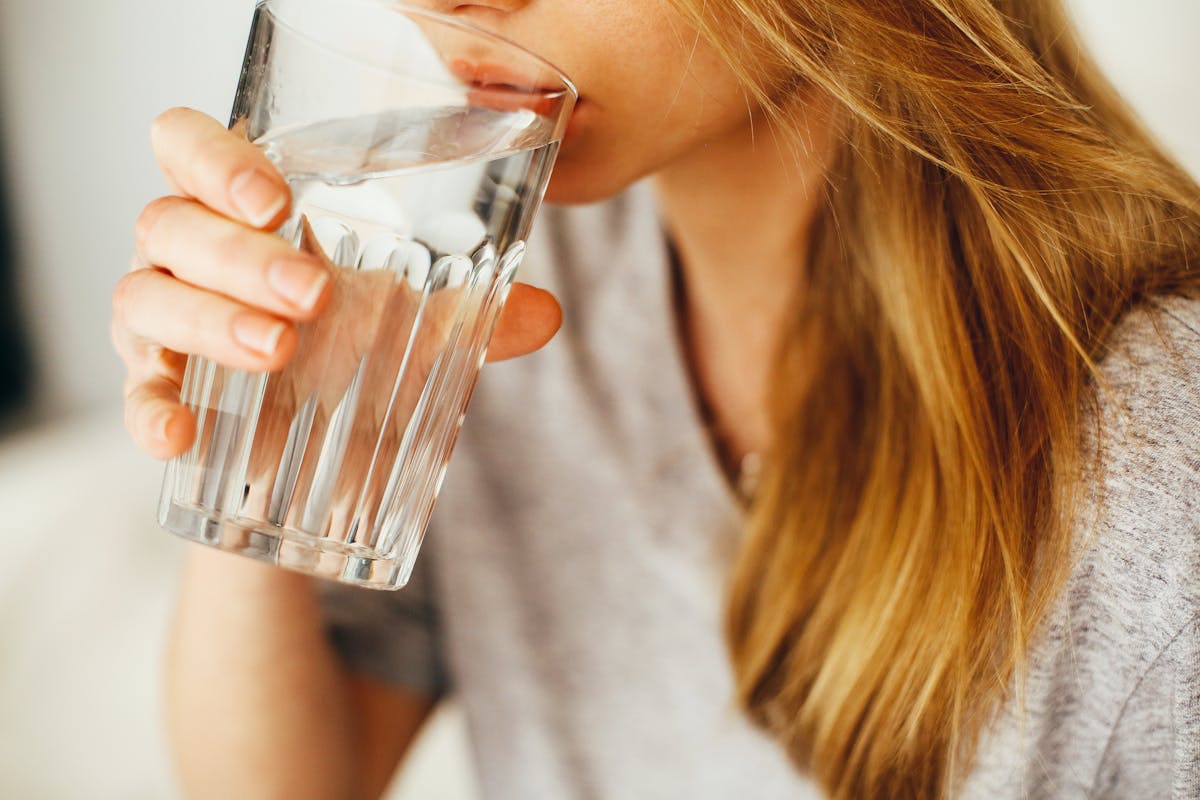
Adequate hydration supports kidney function, cognitive performance, and cardiovascular health.
Staying properly hydrated does not have to be complicated, but it does require some intentionality, especially if you are not naturally inclined to reach for a glass of water throughout the day. The general recommendation for most adults is approximately 8 cups (64 ounces) of fluid per day, though individual needs vary based on body size, activity level, climate, and health conditions. A more personalized approach is to aim for half your body weight in ounces. For example, a 160-pound person would target about 80 ounces per day as a starting point.
Here are practical strategies to help you meet your hydration goals consistently:
- Start your morning with water. Drink 8 to 16 ounces first thing when you wake up, before coffee or tea. Your body has gone hours without fluid during sleep.
- Keep a water bottle visible. Having water within arm's reach throughout the day serves as a constant visual reminder. Choose a bottle with volume markings so you can track intake.
- Eat water-rich foods. Fruits and vegetables like watermelon, cucumbers, oranges, strawberries, and celery are 85 to 95 percent water and contribute meaningfully to your daily fluid intake.
- Set reminders. If you routinely forget to drink, set a phone alarm every one to two hours or use a hydration tracking app.
- Drink before you feel thirsty. Thirst is a late signal of dehydration, especially in older adults. By the time you feel thirsty, you may already be 1 to 2 percent dehydrated.
- Adjust for activity and heat. Add 16 to 24 ounces of fluid for every hour of moderate exercise, and increase intake further in hot or humid conditions.
Coffee and tea do contribute to your daily fluid total despite their mild diuretic effect. However, sugary sodas and energy drinks are not ideal hydration sources because the high sugar content can actually slow water absorption in the gut. Plain water, herbal tea, and water infused with fruit or cucumber are the best everyday choices.
When Dehydration Needs Medical Attention
Mild dehydration can usually be corrected at home by increasing your fluid intake over several hours. However, moderate to severe dehydration can become a medical concern that requires professional evaluation, especially in vulnerable populations like young children, older adults, and people with chronic health conditions. You should seek medical attention if you notice any of the following warning signs:
- Very dark yellow or amber-colored urine, or no urination for 8 hours or more
- Rapid heart rate or heart palpitations that do not resolve with rest and fluids
- Confusion, disorientation, or unusual drowsiness
- Dizziness or lightheadedness that does not improve after drinking water
- Dry mouth and lips with an inability to produce tears
- Sunken eyes or, in infants, a sunken soft spot on the head
- Persistent vomiting or diarrhea that makes it impossible to keep fluids down
Severe dehydration is a medical emergency. If someone is confused, has a rapid or weak pulse, is breathing rapidly, or faints, call 911. These signs indicate that the body's fluid loss has reached a point where intravenous fluids may be needed to restore safe blood volume and electrolyte levels. This is particularly urgent in cases of heat stroke, severe gastroenteritis, or dehydration complicated by diabetes or kidney disease.
For non-emergency dehydration symptoms such as persistent headaches, recurring UTIs, or ongoing nausea and vomiting that makes oral hydration difficult, a telehealth provider can help you develop a rehydration plan and treat the underlying cause. If nausea or vomiting is preventing you from drinking, InnoCre offers online treatment for nausea and vomiting so you can get anti-nausea medication and start retaining fluids again. You do not have to wait until dehydration becomes severe to get help -- early intervention makes recovery faster and prevents complications.
Frequently Asked Questions
Can dehydration cause chest pain?
Yes. Dehydration can cause chest discomfort through several mechanisms including reduced blood volume, increased heart rate, and electrolyte imbalances. However, chest pain should always be evaluated to rule out cardiac causes.
How much water should you drink daily?
A general guideline is 8 cups or about 2 liters per day, but needs vary based on body size, activity level, climate, and health conditions. Thirst is not always a reliable indicator, especially in older adults.
Can dehydration cause a UTI?
Dehydration does not directly cause UTIs, but inadequate fluid intake reduces urination frequency, allowing bacteria more time to multiply in the urinary tract. Staying hydrated helps flush bacteria.
When is dehydration an emergency?
Seek emergency care for signs of severe dehydration including confusion, rapid heartbeat, very dark urine or no urination, fainting, or sunken eyes. Children and elderly adults are at higher risk.
Get the Care You Need Today
A board-certified provider can evaluate your symptoms and recommend treatment. Same-day visits available for patients in Maryland, Washington, and Delaware.
Book a Visit →Visits start at $68 · Insurance accepted · MD, WA & DE
Atul S. Vellappally, DNP, CRNP, FNP-BC
Founder, InnoCre Telehealth. Board-certified Family Nurse Practitioner with doctoral-level training in evidence-based and precision medicine. Licensed in Maryland, Washington, and Delaware.
This article is for informational purposes only and does not constitute medical advice. If you are experiencing a medical emergency, call 911.
Related Services