How cold weather affects blood pressure, why winter increases cardiovascular risk, and what to do about it.
Need Care Today?
Get a same-day telehealth visit with a board-certified provider.
Licensed in MD, WA & DE
Book a Visit →How Cold Affects Blood Vessels
When your body is exposed to cold temperatures, it activates a protective mechanism called vasoconstriction. Blood vessels near the surface of the skin narrow to reduce heat loss and redirect warm blood toward vital organs such as the heart, brain, and lungs. This is a normal physiological response, but it comes with a significant cardiovascular consequence: narrower blood vessels mean the heart must pump harder to push the same volume of blood through a smaller space.
The sympathetic nervous system drives this response by releasing norepinephrine, a hormone that tightens arterial walls. As peripheral resistance increases, blood pressure rises. In healthy individuals, this elevation is temporary and resolves once the body warms up. However, for people with existing hypertension or cardiovascular disease, even a modest increase in vascular resistance can push blood pressure into a dangerous range.
Cold air also affects blood viscosity. Research shows that blood becomes slightly thicker in cold conditions due to increased platelet activity and higher concentrations of fibrinogen, a clotting protein. Thicker blood flowing through constricted vessels compounds the strain on the cardiovascular system and helps explain why heart attacks and strokes are more common during winter months.
The Winter Blood Pressure Spike
Studies consistently show that blood pressure readings tend to be higher in winter and lower in summer. Cold exposure can raise systolic blood pressure by 5 to 10 mmHg or more, and this effect is not limited to outdoor activity. Indoor temperatures that drop below 65 degrees Fahrenheit, poorly heated homes, and even brief exposure during commutes can trigger measurable increases.
This seasonal variation is significant because blood pressure guidelines use specific thresholds to define hypertension and guide treatment. A person whose blood pressure is well controlled at 128/80 in July may consistently read 138/88 in January, crossing the threshold into stage 2 hypertension. Without seasonal monitoring, these winter spikes can go undetected and untreated for months.
The winter blood pressure spike also coincides with other seasonal factors that compound cardiovascular risk: reduced physical activity, holiday dietary changes with higher sodium and alcohol intake, shorter daylight hours affecting mood and stress, and increased rates of respiratory illness. Together, these factors create a period of heightened cardiovascular vulnerability that deserves proactive attention.
Risk Factors
While cold weather affects everyone's blood pressure to some degree, certain individuals are at higher risk for clinically significant winter blood pressure elevations. Understanding your personal risk factors allows you to take proactive steps before cold weather arrives.
You may be at increased risk if you have:
- Existing hypertension: Baseline elevated blood pressure means any additional increase can push readings into a dangerous range
- Age over 65: Aging blood vessels are less elastic and respond more dramatically to cold-induced vasoconstriction
- Cardiovascular disease: Conditions such as coronary artery disease, heart failure, or history of stroke increase vulnerability to blood pressure fluctuations
- Diabetes: Vascular damage from elevated blood sugar impairs the body's ability to regulate blood vessel tone
- Kidney disease: The kidneys play a central role in blood pressure regulation, and impaired kidney function amplifies seasonal changes
- Obesity: Excess body weight is independently associated with hypertension and makes cold-related increases more pronounced
- Sedentary lifestyle: Reduced physical activity during winter further contributes to elevated readings
People who work outdoors, live in poorly insulated homes, or spend significant time commuting in cold conditions should be especially vigilant about monitoring their blood pressure throughout the winter season.
Managing Blood Pressure in Cold Weather

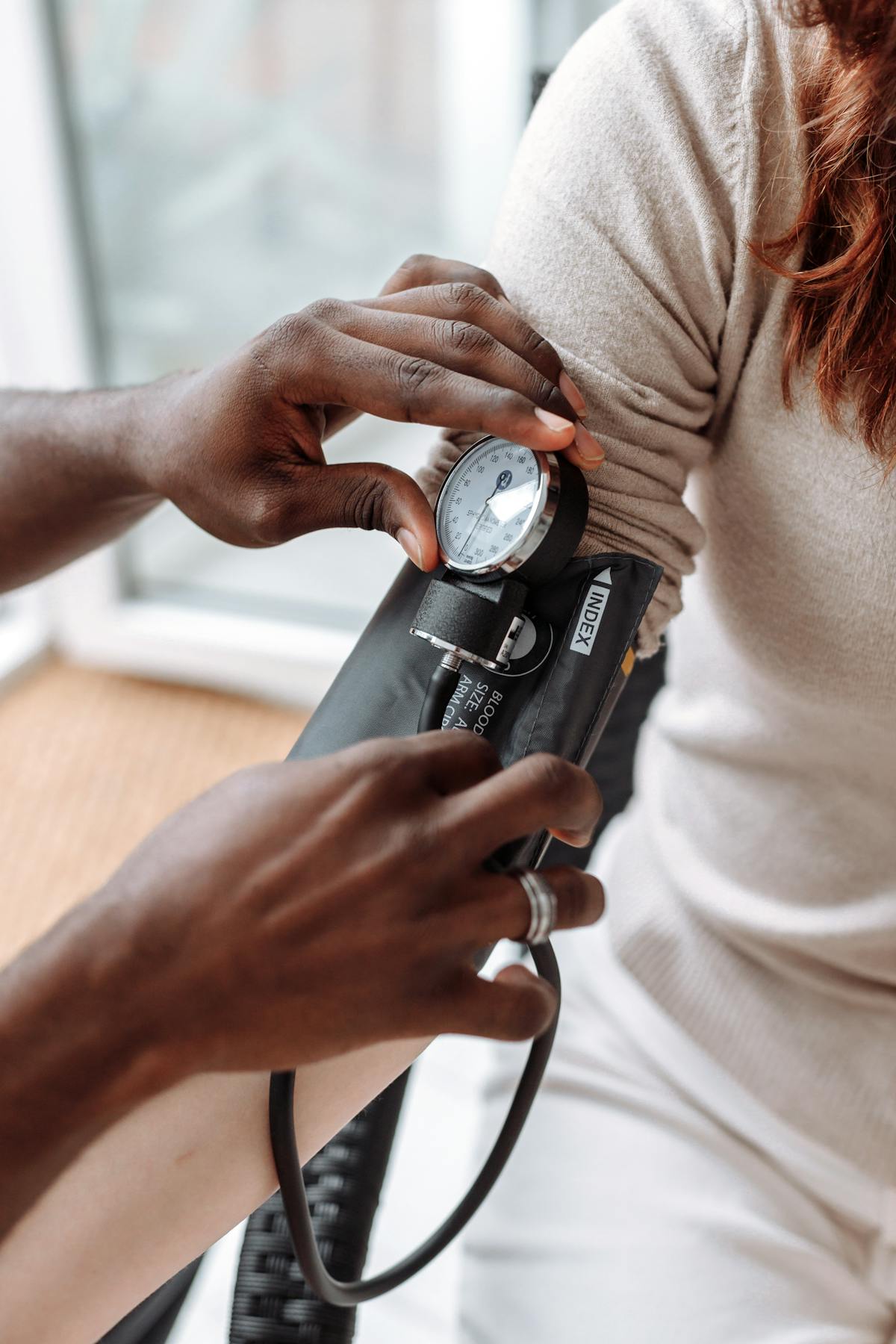
Regular monitoring is especially important during cold months when blood pressure tends to rise.
Managing your blood pressure during cold months requires a combination of lifestyle strategies and, for some people, medication adjustments. The goal is to minimize cold-induced vasoconstriction while maintaining the healthy habits that keep blood pressure under control year-round.
Evidence-based strategies for winter blood pressure management include:
- Dress in warm layers: Cover your head, hands, and feet when going outdoors. These extremities lose heat rapidly and trigger significant vasoconstriction
- Keep your home warm: Maintain indoor temperatures at 68 degrees Fahrenheit or above, especially in bedrooms and living areas where you spend the most time
- Stay physically active: Indoor exercise such as walking on a treadmill, yoga, or home workout routines helps maintain cardiovascular fitness when outdoor activity is limited
- Watch your sodium intake: Holiday meals and comfort foods tend to be higher in salt. Aim for less than 2,300 mg of sodium per day, or less than 1,500 mg if you have hypertension
- Limit alcohol: While alcohol may feel warming, it actually causes blood vessels to dilate temporarily and then constrict, contributing to blood pressure variability
- Manage stress: Shorter days and holiday pressures can elevate cortisol levels, which raises blood pressure. Prioritize sleep, relaxation, and activities you enjoy
If you take blood pressure medication, do not adjust your dose on your own. Speak with your provider about whether a seasonal dosage change is appropriate based on your home readings.
When to See a Provider
Seasonal blood pressure fluctuations are common, but certain patterns and symptoms should prompt you to seek medical evaluation. A provider can review your home readings, assess your overall cardiovascular risk, and determine whether your treatment plan needs adjustment for the colder months.
Contact a provider if you experience:
- Home blood pressure readings consistently above 140/90 mmHg, or above your individualized target
- A sustained increase of 10 mmHg or more from your typical baseline
- Symptoms such as persistent headaches, visual changes, chest discomfort, or shortness of breath
- Dizziness or lightheadedness that could indicate overtreatment or blood pressure drops when standing
- Difficulty maintaining your current medication regimen due to side effects that worsen in cold weather
A telehealth visit is an efficient way to review your blood pressure log with a provider and discuss medication adjustments without waiting weeks for an in-person appointment. Many providers adjust antihypertensive dosages seasonally for patients who show consistent winter elevations, increasing the dose in fall and reducing it in spring.
Monitoring Your Blood Pressure at Home
Home blood pressure monitoring is one of the most valuable tools for understanding how cold weather affects your cardiovascular health. A reliable home monitor gives you data that a single office visit cannot capture, including morning readings, post-exercise measurements, and trends across weeks and months.
For accurate home monitoring, follow these best practices:
- Use a validated upper-arm cuff monitor: Wrist and finger monitors are less reliable. Look for devices validated by the Association for the Advancement of Medical Instrumentation (AAMI)
- Measure at the same time each day: Morning readings before medication and evening readings provide the most useful data
- Sit quietly for 5 minutes before measuring: Rest with your back supported, feet flat on the floor, and arm at heart level
- Take two readings one minute apart: Record the average of both readings for greater accuracy
- Keep a written or digital log: Record the date, time, systolic and diastolic values, and any relevant notes such as recent activity or cold exposure
- Avoid caffeine, exercise, and smoking for 30 minutes before measuring: These can temporarily elevate readings and mask your true resting blood pressure
Share your home blood pressure log with your provider during your next telehealth visit. This data allows for more precise medication management and helps identify seasonal trends that need attention. At InnoCre Telehealth, our providers welcome home monitoring data and use it to personalize your treatment plan for patients in Maryland, Washington, and Delaware.
Frequently Asked Questions
How much does cold weather raise blood pressure?
Cold exposure can raise systolic blood pressure by 5 to 10 mmHg or more. This is due to vasoconstriction, where blood vessels narrow in response to cold temperatures.
Is cold weather dangerous for people with high blood pressure?
Cold weather poses additional risk for people with hypertension because the combination of elevated blood pressure and vasoconstriction increases strain on the cardiovascular system.
How can I manage blood pressure in winter?
Dress warmly, monitor blood pressure regularly, stay physically active indoors, limit alcohol and sodium intake, and consult your provider about medication adjustments if readings are consistently higher.
Should I see a doctor for winter blood pressure spikes?
Contact your provider if your blood pressure is consistently above your target range during cold months. Medication dosage adjustments are sometimes needed seasonally.
Get the Care You Need Today
A board-certified provider can evaluate your symptoms and recommend treatment. Same-day visits available for patients in Maryland, Washington, and Delaware.
Book a Visit →Visits start at $68 · Insurance accepted · MD, WA & DE
Atul S. Vellappally, DNP, CRNP, FNP-BC
Founder, InnoCre Telehealth. Board-certified Family Nurse Practitioner with doctoral-level training in evidence-based and precision medicine. Licensed in Maryland, Washington, and Delaware.
This article is for informational purposes only and does not constitute medical advice. If you are experiencing a medical emergency, call 911.
Related Services