Cranberry juice, baking soda, and other UTI home remedies evaluated. Learn what actually helps and when you need antibiotics.
Need Care Today?
Get a same-day telehealth visit with a board-certified provider.
Licensed in MD, WA & DE
Book a Visit →Popular UTI Home Remedies Evaluated
When UTI symptoms strike, many people look for ways to find relief at home before seeing a provider. The internet is full of suggested remedies ranging from cranberry juice to baking soda to essential oils. While some of these approaches have a degree of scientific support, others are ineffective or potentially harmful.
It is important to understand that no home remedy can replace antibiotics for treating a confirmed bacterial UTI. Home remedies may help ease discomfort or support prevention, but they should not delay proper medical treatment. The most commonly discussed UTI home remedies include:
- Cranberry juice or supplements
- Increased water intake
- Over-the-counter urinary pain relievers
- Probiotics
- Vitamin C supplementation
- Heating pads for pelvic discomfort
- Baking soda dissolved in water
Below, we evaluate each of these based on available clinical evidence so you can make informed decisions while waiting for or alongside professional UTI treatment.
Cranberry: The Evidence
Cranberry is the most widely discussed natural remedy for UTIs, and the evidence is nuanced. Cranberries contain proanthocyanidins (PACs), compounds that may prevent E. coli bacteria from adhering to the walls of the urinary tract. This anti-adhesion mechanism is well-documented in laboratory studies.
However, clinical trial results are mixed. A 2023 Cochrane review found that cranberry products may reduce the risk of recurrent UTIs in certain populations, particularly women with a history of repeated infections. Cranberry supplements in capsule or tablet form appear more effective than cranberry juice, likely because they deliver a higher concentration of PACs without the added sugar found in most commercial juices.
The key takeaway: cranberry products may help with UTI prevention in some individuals, but they cannot treat an active infection. If you are currently experiencing UTI symptoms such as burning, urgency, or pelvic pain, cranberry alone will not resolve the infection. You should seek professional UTI treatment promptly.
Water and Hydration
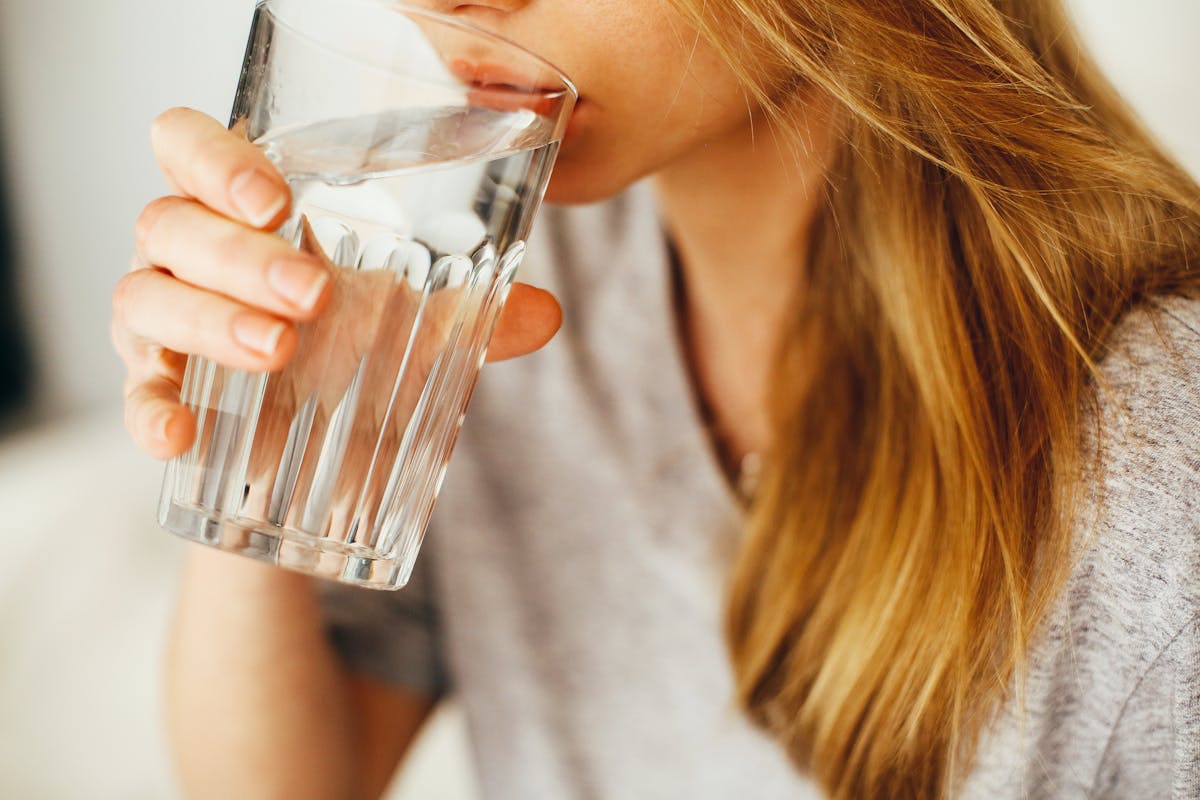
Drinking plenty of water is one of the most straightforward and evidence-supported strategies for both UTI management and prevention. Increased fluid intake helps dilute urine and promotes more frequent urination, which physically flushes bacteria out of the urinary tract before they can multiply and establish infection.
A 2018 randomized controlled trial published in JAMA Internal Medicine demonstrated that women who increased their daily water intake by approximately 1.5 liters had significantly fewer recurrent UTIs compared to a control group. This is one of the strongest pieces of evidence supporting any non-antibiotic UTI prevention strategy.
During an active UTI, staying well-hydrated can help ease symptoms and support recovery alongside antibiotic therapy. Aim for at least six to eight glasses of water per day. Avoid caffeine and alcohol, as these can irritate the bladder and worsen urgency and frequency symptoms.
Over-the-Counter Pain Relief
While home remedies cannot cure a UTI, over-the-counter medications can provide meaningful symptom relief while you wait for antibiotics to take effect. The most useful OTC options include:
- Phenazopyridine (AZO, Uristat): This urinary analgesic numbs the lining of the urinary tract, reducing burning and urgency. It turns urine bright orange, which is harmless. Use for no more than two days, as it masks symptoms without treating the infection.
- Ibuprofen (Advil, Motrin): Reduces inflammation and pain associated with UTI symptoms. It can help with pelvic discomfort and the general ache that often accompanies infections.
- Acetaminophen (Tylenol): Helpful for pain relief and fever reduction if a low-grade fever is present.
- Heating pad: Applying a warm (not hot) heating pad to the lower abdomen can ease pelvic pressure and cramping.
These measures are intended to bridge the gap until you can see a provider and begin antibiotic therapy. They do not treat the underlying bacterial infection, so it is essential to schedule a visit promptly for proper UTI treatment.
What Doesn't Work
Several popular UTI home remedies lack clinical evidence and should be avoided or approached with caution:
- Baking soda: Some sources suggest drinking baking soda dissolved in water to alkalinize urine. There is no reliable evidence this treats UTIs, and ingesting large amounts of baking soda can cause dangerous electrolyte imbalances, nausea, and vomiting.
- Apple cider vinegar: Despite internet claims, there is no clinical evidence that apple cider vinegar treats or prevents UTIs. Its acidity can irritate the bladder and worsen symptoms.
- Essential oils (oregano, tea tree): While some essential oils show antibacterial properties in laboratory settings, there are no clinical trials supporting their use for UTI treatment. Ingesting essential oils can be toxic.
- D-mannose: This sugar supplement has shown some promise in small studies for UTI prevention, but the evidence remains preliminary and it is not a substitute for antibiotics during active infection.
- Garlic supplements: Laboratory studies show garlic has antibacterial properties, but there is insufficient evidence that oral garlic supplements reach therapeutic concentrations in the urinary tract.
Relying on unproven remedies can allow a simple bladder infection to progress to a kidney infection, which is a far more serious condition requiring aggressive treatment. When in doubt, consult a provider.
When You Absolutely Need Antibiotics
Antibiotics remain the gold standard treatment for bacterial UTIs. While very mild infections may occasionally resolve without treatment, this approach carries significant risk. Untreated UTIs can ascend from the bladder to the kidneys, causing pyelonephritis, a serious condition that may require hospitalization and intravenous antibiotics.
You should seek antibiotic treatment promptly if you experience any of the following:
- Classic UTI symptoms (burning, urgency, frequency) lasting more than 24 hours
- Blood in your urine (hematuria)
- Fever, chills, or flank pain, which may indicate kidney involvement
- Nausea or vomiting alongside urinary symptoms
- Recurrent UTI symptoms after a recent infection
- UTI symptoms during pregnancy (UTIs in pregnancy require immediate treatment)
- Symptoms in men, who are at higher risk for complicated UTIs
Common first-line antibiotics for uncomplicated UTIs include nitrofurantoin and trimethoprim-sulfamethoxazole. Most patients experience significant symptom improvement within 24 to 48 hours of starting antibiotics. A women's health telehealth visit can help you get the right treatment quickly.
Getting UTI Treatment Fast
One of the biggest advantages of telehealth for UTI treatment is speed. UTIs are uncomfortable, and every hour of delay means continued pain and a higher risk of the infection worsening. With telehealth UTI treatment, you can see a board-certified provider from home the same day, often within hours of scheduling.
During your telehealth visit, your provider will review your symptoms, medical history, and any relevant risk factors. For straightforward cases with classic UTI symptoms, a prescription for antibiotics can be sent directly to your pharmacy during or immediately after the visit. Many patients pick up their medication the same day and begin feeling better within 24 hours.
If your provider suspects a complicated UTI or kidney infection, they may order a urine culture or recommend an in-person evaluation. Telehealth is ideal for the majority of uncomplicated UTIs and eliminates the need for an expensive and time-consuming urgent care or emergency room visit. InnoCre Telehealth offers same-day visits for patients in Maryland, Washington, and Delaware.
Frequently Asked Questions
Does cranberry juice cure a UTI?
Cranberry juice cannot cure an existing UTI. Some evidence suggests cranberry products may help prevent UTIs by preventing bacteria from adhering to the bladder wall, but results are mixed.
Can you get rid of a UTI without antibiotics?
Very mild UTIs may occasionally resolve on their own, but this is risky. Untreated UTIs can spread to the kidneys. Antibiotics remain the standard and most effective treatment.
What helps UTI pain at home while waiting for antibiotics?
Drink plenty of water, take OTC pain relievers, use a heating pad on the abdomen, and consider an OTC urinary pain reliever containing phenazopyridine. These provide symptom relief but do not treat the infection.
How fast can I get UTI antibiotics through telehealth?
Same-day visits are typically available. A prescription can be sent to your pharmacy during or immediately after the visit for same-day pickup.
Get the Care You Need Today
A board-certified provider can evaluate your symptoms and recommend treatment. Same-day visits available for patients in Maryland, Washington, and Delaware.
Book a Visit →Visits start at $68 · Insurance accepted · MD, WA & DE
Atul S. Vellappally, DNP, CRNP, FNP-BC
Founder, InnoCre Telehealth. Board-certified Family Nurse Practitioner with doctoral-level training in evidence-based and precision medicine. Licensed in Maryland, Washington, and Delaware.
This article is for informational purposes only and does not constitute medical advice. If you are experiencing a medical emergency, call 911.
Related Services