When a fever needs medical attention in adults and children. Temperature thresholds, warning signs, and treatment guidance.
Need Care Today?
Get a same-day telehealth visit with a board-certified provider.
Licensed in PA, MD, WA & DE
Book a Visit →What Is a Fever
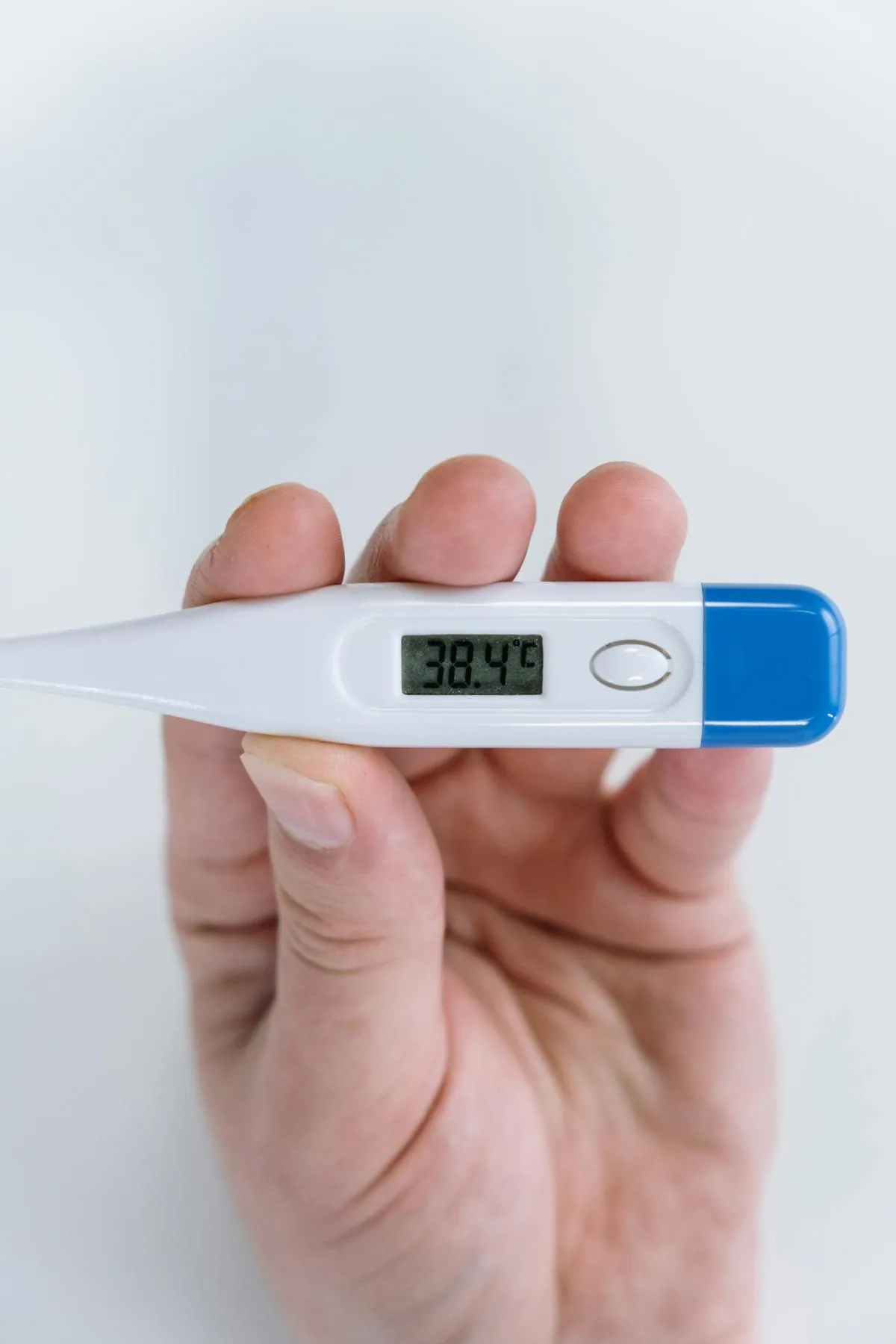
A fever is a temporary rise in body temperature above the normal baseline, which is generally around 98.6 degrees Fahrenheit (37 degrees Celsius), though normal body temperature varies slightly from person to person and fluctuates throughout the day. Clinically, a temperature of 100.4 degrees Fahrenheit (38 degrees Celsius) or higher is considered a fever.
Fever is not a disease itself but rather a symptom and a natural immune response. When your body detects an infection caused by bacteria, viruses, or other pathogens, it raises its internal thermostat to create an environment that is less favorable for the invading organisms. This process is regulated by the hypothalamus in the brain and involves the release of chemical messengers called pyrogens.
While fevers can feel uncomfortable, they serve an important protective function. A mild to moderate fever helps activate white blood cells, increase antibody production, and slow the replication of many pathogens. In most cases, a fever resolves on its own as the underlying infection clears.
Temperature Thresholds by Age
The temperature at which a fever becomes concerning varies significantly by age group. What is considered mild in an adult may be a medical emergency in a newborn. Use the following general thresholds as a guide:
- Newborns (0 to 3 months): A rectal temperature of 100.4 degrees Fahrenheit or higher requires immediate medical evaluation, regardless of other symptoms. Young infants have immature immune systems and can deteriorate quickly.
- Infants and toddlers (3 months to 2 years): A fever above 102 degrees Fahrenheit that persists for more than one day, or any fever with accompanying lethargy, poor feeding, or rash, warrants a provider visit.
- Children (2 to 17 years): Fevers above 102 degrees Fahrenheit lasting more than two to three days, or any fever with severe symptoms such as stiff neck, persistent vomiting, or difficulty breathing, should be evaluated.
- Adults (18 and older): A fever above 103 degrees Fahrenheit, a fever lasting more than three days, or any fever accompanied by alarming symptoms such as confusion, chest pain, or severe headache requires medical attention.
Keep in mind that temperature readings vary by measurement method. Rectal temperatures are the most accurate, particularly in young children. Oral and forehead (temporal) readings may be slightly lower than the actual core body temperature.
When a Fever Is Dangerous
Most fevers are self-limiting and resolve within a few days. However, certain situations make a fever potentially dangerous and require prompt medical evaluation or emergency care. A fever becomes a concern when it is very high, prolonged, or accompanied by symptoms that suggest a serious underlying condition.
Seek emergency care (call 911 or go to the nearest emergency room) if a fever is accompanied by any of the following:
- Temperature above 104 degrees Fahrenheit that does not respond to fever-reducing medication
- Confusion, altered mental status, or difficulty waking up
- Stiff neck with headache and sensitivity to light (signs of meningitis)
- Difficulty breathing or chest pain
- Seizures (febrile seizures can occur in young children)
- Severe abdominal pain or inability to keep fluids down
- Petechial rash (small, flat, purple or red spots that do not blanch when pressed)
Individuals who are immunocompromised, undergoing chemotherapy, or have chronic conditions such as heart disease or diabetes should contact their provider at the onset of any fever, as their risk of serious complications is elevated.
Fever in Children vs Adults
Children and adults experience fevers differently, and the clinical approach to managing a fever varies by age group. Children, especially those under five, tend to spike higher fevers than adults in response to common infections. A child with a temperature of 103 or 104 degrees Fahrenheit may still be relatively alert and active, while an adult with the same temperature is often significantly ill.
In children, the most important consideration is not the exact number on the thermometer but rather how the child looks and behaves. A child who is drinking fluids, making eye contact, and engaging in some activity is generally less concerning than a child who is limp, inconsolable, or unresponsive, even if the latter has a lower temperature. Febrile seizures, which are convulsions triggered by a rapid rise in body temperature, can occur in children between six months and five years of age and are usually benign, though they are frightening for parents.
In adults, fever is less common and more likely to indicate a significant infection, particularly in older adults. Elderly patients may present with a lower-than-expected fever or even a normal temperature despite a serious infection, because their immune response may be blunted. Any new fever in an adult over 65 warrants prompt evaluation.
Home Treatment
Acetaminophen and ibuprofen can reduce fever and improve comfort while your body fights infection.
For mild to moderate fevers that are not accompanied by alarming symptoms, home treatment can help manage discomfort while your body fights the underlying infection. The goal of treatment is to improve comfort rather than to eliminate the fever entirely.
Effective home strategies include:
- Over-the-counter fever reducers: Acetaminophen (Tylenol) and ibuprofen (Advil, Motrin) are both effective at lowering fever and relieving body aches. Follow the dosing instructions on the label. Do not give aspirin to children or teenagers due to the risk of Reye syndrome.
- Stay hydrated: Fever increases fluid loss through sweating and increased metabolic rate. Drink water, clear broths, and electrolyte solutions. For children, offer small frequent sips rather than large volumes at once.
- Rest: Your body needs energy to fight infection. Avoid strenuous activity and get adequate sleep.
- Dress lightly: Wear lightweight, breathable clothing and use a light blanket. Overdressing or bundling up can trap heat and worsen fever.
- Lukewarm sponge bath: A tepid (not cold) sponge bath can help lower body temperature. Avoid ice baths or cold water, which can cause shivering and actually raise core temperature.
When to Seek Medical Care
While many fevers can be managed at home, there are specific situations where you should contact a healthcare provider. Recognizing these warning signs can help you get the right care at the right time and avoid potentially serious complications.
Contact a provider if you or your child has:
- A fever above 103 degrees Fahrenheit in an adult or above 102 degrees Fahrenheit in a child that does not respond to fever-reducing medication
- A fever lasting longer than three days in an adult or more than two days in a child
- Recurrent fevers that keep coming back over a period of weeks
- A new rash along with a fever
- Pain with urination, sore throat, ear pain, or persistent cough accompanying the fever
- Recent travel to an area with endemic infections such as malaria or dengue
- A fever that developed after starting a new medication
- Any fever in an infant under three months old
Your provider can help determine the cause of the fever, order appropriate tests if needed, and prescribe treatment such as antibiotics for bacterial infections or antiviral medications when indicated. Early evaluation often prevents complications and speeds recovery. You can get started with a fever treatment visit or a cold, cough, and flu evaluation.
Getting Evaluated Online
Telehealth is an effective and convenient option for evaluating most fevers. During a virtual visit, your provider can assess your symptoms through a video consultation, review your temperature history, ask about associated symptoms, and determine whether the fever is likely caused by a viral illness, bacterial infection, or another condition.
A telehealth provider can prescribe antibiotics if a bacterial infection is suspected, recommend antiviral medications for conditions like influenza, and order laboratory tests or imaging at a nearby facility if further evaluation is needed. For fevers that appear straightforward, such as those associated with an upper respiratory infection or urinary tract infection, a virtual visit can provide a diagnosis and treatment plan without the wait and exposure of an in-person visit.
At InnoCre Telehealth, same-day appointments are available for patients in Pennsylvania, Maryland, Washington, and Delaware. If your fever requires in-person evaluation, your provider will guide you to the appropriate level of care. Book an urgent care telehealth visit to get started.
Frequently Asked Questions
What temperature is considered a high fever in adults?
A fever over 103 degrees Fahrenheit in adults is considered high and warrants medical evaluation. Any fever over 104 degrees requires immediate medical attention.
How long should a fever last before seeing a doctor?
See a provider if a fever lasts more than 3 days, exceeds 103 degrees, or is accompanied by severe symptoms like stiff neck, confusion, or difficulty breathing.
Should you let a fever run its course?
Mild fevers help your body fight infection and are generally safe to monitor at home. However, treating with fever reducers like acetaminophen or ibuprofen can improve comfort.
Can a telehealth provider help with a fever?
Yes. A provider can evaluate your symptoms, determine the likely cause, and recommend treatment or testing.
How is 103.3 fever treated?
When evaluating 103.3 fever, clinicians consider child has a fever, viral infections, fever reducing medicine, and call your doctor. An InnoCre telehealth visit covers a same-day symptom review, lab orders at a local lab when needed, and a prescription sent to your pharmacy if appropriate.
How does an InnoCre telehealth visit work?
After you book, you complete a short intake form, then connect with a board-certified provider by video on the same day in most cases. The provider reviews your symptoms and history, orders lab work at a local lab if needed, and sends any prescription to the pharmacy of your choice. A new-patient visit is a flat $68 with no insurance required.
Sources
Clinical references used in this article:
- Fever. MedlinePlus, National Library of Medicine.
- About Respiratory Illnesses. Centers for Disease Control and Prevention.
- Headache. MedlinePlus, National Library of Medicine.
Get the Care You Need Today
A board-certified provider can evaluate your symptoms and recommend treatment. Same-day visits available for patients in Pennsylvania, Maryland, Washington, and Delaware.
Book a Visit →Visits start at $68 · HSA/FSA accepted · PA, MD, WA & DE
Atul S. Vellappally, DNP, CRNP, FNP-BC
Founder, InnoCre Telehealth. Board-certified Family Nurse Practitioner with doctoral-level training in evidence-based and precision medicine. Licensed in Pennsylvania, Maryland, Washington, and Delaware.
This article is for informational purposes only and does not constitute medical advice. If you are experiencing a medical emergency, call 911.
Related Services