Prostatitis Treatment & Prostate Testing
Board-certified evaluation for bacterial prostatitis and chronic pelvic pain syndrome (CPPS). Antibiotics when clinically appropriate and multimodal management — from home. Serving PA, MD, WA & DE.
What Is Prostatitis?
Prostatitis refers to inflammation of the prostate gland and is the most common urologic diagnosis in men under 50 years of age. It affects up to 15% of men at some point in their lives and is categorized by the NIH/National Institute of Diabetes and Digestive and Kidney Diseases (NIDDK) Classification into four types. Type I (Acute bacterial prostatitis) is an acute infection of the prostate most commonly caused by gram-negative uropathogens, particularly Escherichia coli (most common), Klebsiella, Proteus, and Pseudomonas species. It presents with sudden onset high fever, chills, perineal or pelvic pain, lower urinary tract symptoms (frequency, urgency, dysuria), and sometimes obstructive symptoms. Type II (Chronic bacterial prostatitis) involves recurrent urinary tract infections with the same uropathogen causing intermittent symptoms. Type III (Chronic prostatitis/Chronic Pelvic Pain Syndrome, CP/CPPS) is the most common form — accounting for 90–95% of all prostatitis diagnoses — and involves pelvic pain persisting for at least 3 months without evidence of bacterial infection. Type III is divided into IIIA (inflammatory) and IIIB (non-inflammatory). Type IV (Asymptomatic inflammatory prostatitis) is identified incidentally on biopsy or semen analysis.
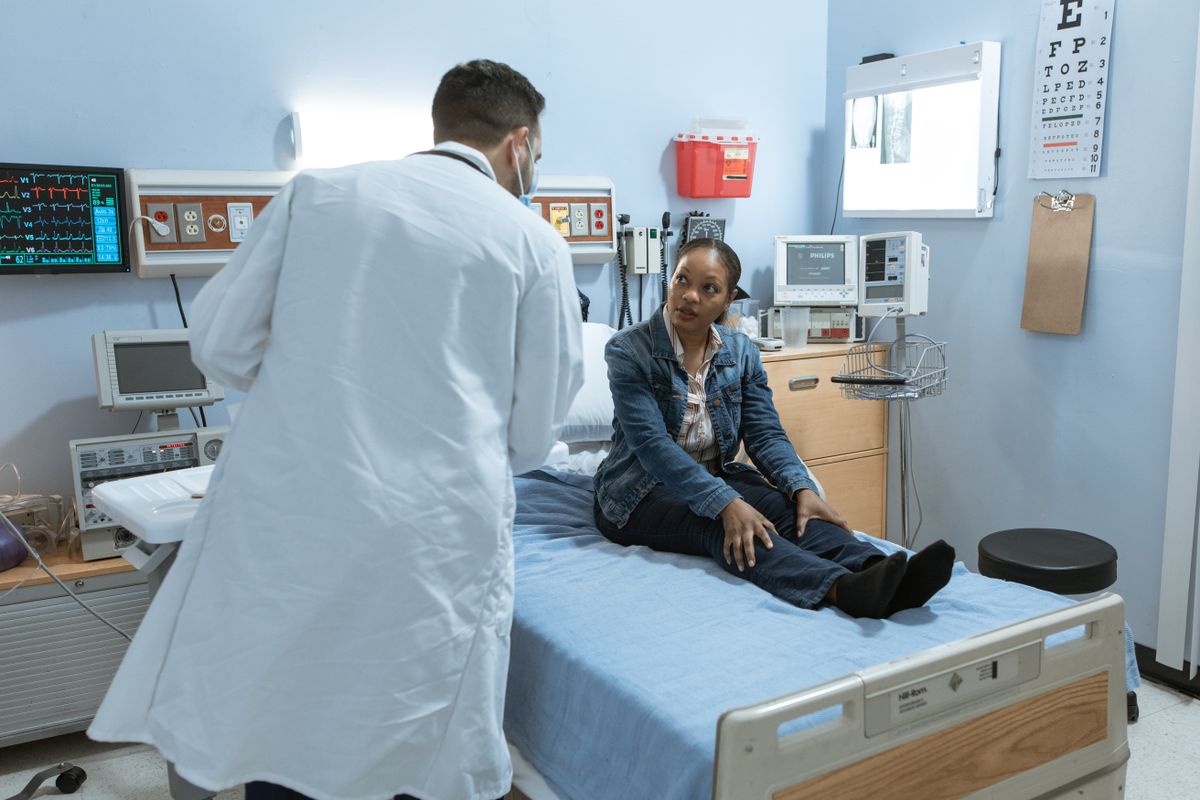
The pathophysiology of CP/CPPS remains incompletely understood and is thought to involve a combination of neurogenic inflammation, pelvic floor muscle dysfunction, psychological factors, and — in some cases — an initial bacterial trigger that resolves but leaves sensitized pain pathways. This complexity explains why CP/CPPS often requires a multimodal management approach.
Our board-certified provider provides telehealth evaluation for men with prostatitis symptoms in Pennsylvania, Maryland, Washington, and Delaware, following AUA guidelines and current evidence-based practice. An important telehealth limitation to acknowledge: the digital rectal exam (DRE) — used in-person to assess prostate tenderness and size — cannot be performed via telehealth. This limitation means that some aspects of the physical examination relevant to prostatitis diagnosis require in-person evaluation. Your provider will clearly communicate when in-person evaluation is needed.
Common Symptoms of Prostatitis
Perineal, pelvic, or lower abdominal pain
Pain between the scrotum and rectum is a hallmark location
Dysuria (painful or burning urination)
Urinary frequency and urgency
Difficulty initiating urination or weak stream
Pain with ejaculation or post-ejaculatory pain
Testicular or scrotal discomfort
High fever and chills (acute bacterial prostatitis only)
Fever in this context requires urgent evaluation
Lower back or sacral pain
How InnoCre Treats Prostatitis Online
For acute bacterial prostatitis (Type I), when symptoms are mild to moderate (no high fever, no urinary retention, not systemically unwell), antibiotic therapy can be initiated via telehealth pending urine culture. Per AUA guidelines and CDC recommendations, fluoroquinolones are the preferred class due to their excellent prostate tissue penetration: ciprofloxacin 500 mg twice daily or levofloxacin 500 mg once daily for 4–6 weeks is the standard course. Trimethoprim-sulfamethoxazole (Bactrim DS) is an alternative for susceptible organisms. Urine culture with sensitivity testing should ideally guide antibiotic selection — your provider can order this lab simultaneously with initiating empiric therapy. NSAIDs (ibuprofen, naproxen) may be recommended for pain and inflammation management during treatment.
For chronic prostatitis/CPPS (Type III), management is multimodal and tailored to the individual's predominant symptom profile. Evidence-based options include: alpha-blockers (tamsulosin, alfuzosin, silodosin) for urinary obstruction and pelvic floor relaxation — these improve voiding symptoms and may reduce pelvic pain; NSAIDs for anti-inflammatory analgesia; pelvic floor physical therapy — highly effective and often underutilized, involves specialized physiotherapy to relax hypertonic pelvic floor muscles; and in some cases 5-alpha reductase inhibitors (finasteride, dutasteride) for men with concurrent BPH. Psychological approaches including CBT have demonstrated benefit for the significant anxiety and depression that frequently co-occur with CPPS. A short empiric course of antibiotics (4–6 weeks) is often tried for new CPPS to rule out an occult bacterial component, even when cultures are negative.
Telehealth is well-suited for the ongoing management of chronic prostatitis, medication adjustment, and care coordination — including referrals to pelvic floor physical therapists and urology specialists when warranted. Your provider will provide a clear management plan during your visit, with realistic expectations about symptom timelines for each prostatitis type. Prescriptions are sent electronically to your pharmacy in PA, MD, WA, or DE.
⚠️ When to Go to the Emergency Room
Telehealth is appropriate for many prostatitis presentations. However, seek emergency care immediately for:
- • High fever (above 101°F) with chills, shaking rigors, and difficulty urinating — this is a medical emergency. Acute bacterial prostatitis with systemic signs can progress to urosepsis, a life-threatening condition requiring intravenous antibiotics and hospitalization. Do not manage this via telehealth — go to the ER
- • Complete urinary retention (inability to urinate despite strong urge and full bladder) — requires emergency catheterization in person
- • Confusion, rapid heartbeat, hypotension, or signs of septic shock — call 911 immediately
- • Sudden testicular pain or scrotal swelling — may indicate testicular torsion (surgical emergency) rather than prostatitis
Prostatitis Treatment — Frequently Asked Questions
How does a prostatitis test work?
When evaluating prostatitis test, clinicians consider urine sample, prostate massage, sitz bath, and prostate fluid. An InnoCre telehealth visit covers a same-day symptom review, lab orders at a local lab when needed, and a prescription sent to your pharmacy if appropriate.
How does an InnoCre telehealth visit work?
After you book, you complete a short intake form, then connect with a board-certified provider by video on the same day in most cases. The provider reviews your symptoms and history, orders lab work at a local lab if needed, and sends any prescription to the pharmacy of your choice. A new-patient visit is a flat $68 with no insurance required.
You May Also Need
Get Relief From Prostatitis Pain
Same-day appointments available. Evidence-based prostatitis management from a board-certified provider.
Book Your Visit Now →Serving DE · MD · WA | HIPAA-Compliant | Board-Certified
Related Blog Articles