STD Testing & Treatment
Clinical, non-judgmental evaluation of STI symptoms or exposure. Lab orders and prescriptions when clinically appropriate, sent same day from a board-certified provider.
What are Sexually Transmitted Infections (STIs)?
Sexually transmitted infections (STIs) are among the most prevalent infectious conditions worldwide, with the CDC estimating over 26 million new cases annually in the United States. Common STIs include chlamydia, gonorrhea, syphilis, herpes simplex virus (HSV), trichomonas, and HIV. Many STIs are asymptomatic or cause only mild symptoms, making routine testing and prompt evaluation of potential exposures critically important for individual and public health.
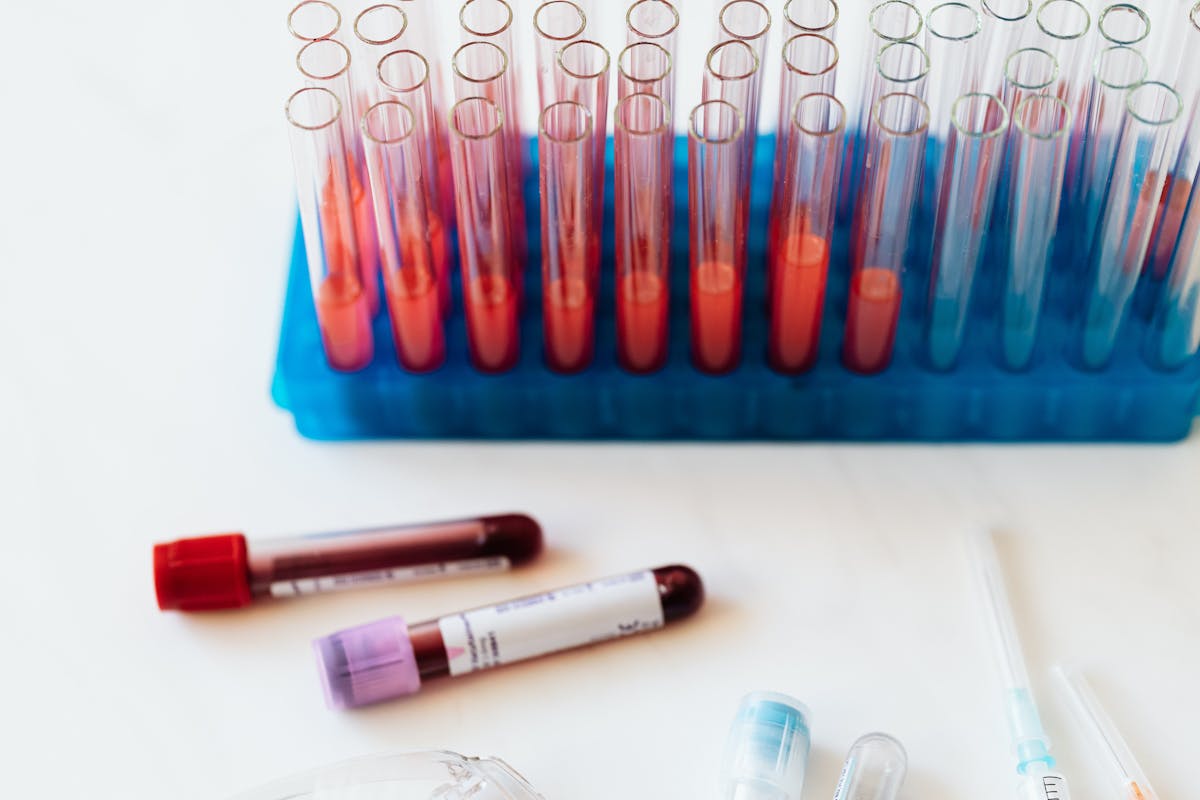
Telehealth is highly effective for STI care. A clinical encounter can assess symptom history, risk factors, and exposure timeline, and result in same-day laboratory orders sent to a local Quest, LabCorp, or health department site in PA, MD, WA, or DE. For infections with well-defined treatment protocols — such as chlamydia, gonorrhea, and trichomonas — treatment can often be initiated empirically or upon lab confirmation via a follow-up message or visit.
Our board-certified provider approaches all STI-related care with clinical precision and without judgment. All visits are strictly confidential and HIPAA-compliant. He is licensed to practice in PA, MD, WA, and DE.
Common STI Symptoms
Unusual genital discharge (yellow, green, gray)
Burning or pain with urination
Genital sores, ulcers, or blisters
Rash including on palms or soles (possible syphilis)
Pelvic pain or lower abdominal cramping
Pain or swelling in the testicles
Itching, redness, or irritation in the genital area
Rectal pain, discharge, or bleeding (proctitis)
Testing Windows: When to Get Tested After Exposure
Timing matters more for STI testing than for almost any other lab work. If you test too early, the infection hasn't generated enough antigen, antibody, or organism load for the test to detect it — you'll get a negative result that gives false reassurance. Approximate evidence-based windows your provider uses:
- Chlamydia and gonorrhea (NAAT testing): reliable from 1–2 weeks after exposure. Earliest reliable result is around day 7. Most clinicians test at 2 weeks for highest sensitivity.
- Trichomoniasis (NAAT): usually detectable from 1–4 weeks after exposure.
- HIV (4th-generation antigen/antibody combo test): reliable from 18–45 days. The 28-day mark is a common follow-up retest point. Anyone with high-risk exposure within 72 hours should not wait — go to an ER or urgent-care site for PEP (post-exposure prophylaxis), which has a hard 72-hour ceiling.
- Syphilis (RPR or treponemal antibody): reliable from 3–6 weeks after exposure, with re-test at 3 months for high-risk encounters.
- Hepatitis B and C: hepatitis B surface antigen detectable from 4–12 weeks. Hepatitis C antibody detectable from 4–10 weeks.
- Herpes (HSV IgG): detectable from 12–16 weeks. We do not routinely screen asymptomatic patients for HSV per CDC guidance, but symptomatic outbreaks can be tested by PCR from a swab at any time.
Specimen types vary too: urine NAAT or self-collected vaginal swab for chlamydia/gonorrhea; finger-prick or venipuncture blood for HIV, syphilis, hepatitis, and HSV serology; swab from active lesions for HSV PCR. We send the appropriate requisition to your chosen Quest or LabCorp draw site — collection happens at the lab, not by mail. We do not use at-home self-collection kits because their accuracy varies and downstream chain-of-custody for treatment decisions is harder to support.
How InnoCre Treats STIs Online
Your telehealth visit begins with a detailed, confidential history: symptoms, sexual history, last exposure, partners, and prior STI testing or diagnosis. Based on your presentation, your provider will either order appropriate laboratory testing sent to a local lab you choose, or — for high-risk exposures with clear symptom patterns — discuss empiric treatment options.
Chlamydia is treated with doxycycline 100 mg twice daily for 7 days (preferred by current CDC guidelines) or azithromycin 1 g single dose. Trichomonas is treated with metronidazole 2 g single dose. Herpes antivirals include valacyclovir (Valtrex) and acyclovir for episodic or suppressive therapy. Gonorrhea treatment requires ceftriaxone injection, which we will coordinate with a local clinic. All lab results are reviewed by your provider and communicated through the secure Charm patient portal.
Partner notification guidance and referrals to sexual health resources are available. Your provider is licensed in PA, MD, WA, and DE. PrEP for HIV prevention can also be evaluated during your visit.
What to Expect From Your STI Visit
An STI visit is private, confidential, and judgment-free. Here is the typical flow:
- Confidential history. Last potential exposure, current symptoms (or lack of them), partner-status changes, prior STI testing history, allergies, and any medications including PrEP. Nothing in this conversation is shared without your consent.
- Risk and exposure timeline. Your provider works out which panels make sense given when the exposure happened (see windows above), what specimen types are needed, and whether you should be tested today, in two weeks, or at multiple intervals.
- Lab orders. Requisitions go to a Quest or LabCorp draw site you choose. You walk in, get the draw, and results post to the secure portal in 24–72 hours.
- Empiric treatment when appropriate. For symptomatic chlamydia or trichomoniasis with classic presentation and clear exposure, treatment can be initiated the same day pending lab confirmation. For gonorrhea, ceftriaxone IM is coordinated through a local clinic or pharmacy.
- Partner notification guidance. Your provider can talk through the legal and ethical options for notifying recent partners, including anonymous partner-notification services available in PA, MD, WA, and DE health departments.
- Follow-up plan. When to retest after treatment (chlamydia and gonorrhea: 3-month re-test; trichomoniasis: 3-month re-test), when to start or continue PrEP, and how to message the provider with any new symptoms.
For a longer walk-through of how lab orders work, see Online STD Testing: How Lab Orders Work.
⚠️ When to Go to the Emergency Room
Telehealth is appropriate for most STI evaluations. However, seek emergency care immediately if you experience:
- • Severe pelvic inflammatory disease with fever, inability to walk, or peritoneal signs — requires IV antibiotics
- • Testicular pain and swelling (epididymo-orchitis) worsening despite oral treatment
- • Signs of disseminated gonococcal infection: joint pain, skin lesions, high fever
- • HIV exposure within 72 hours — go to the ER immediately for post-exposure prophylaxis (PEP)
- • Syphilitic neurological symptoms: sudden headache, confusion, vision or hearing changes
Related Articles
STD Testing & Treatment — Frequently Asked Questions
How does an InnoCre telehealth visit work?
After you book, you complete a short intake form, then connect with a board-certified provider by video on the same day in most cases. The provider reviews your symptoms and history, orders lab work at a local lab if needed, and sends any prescription to the pharmacy of your choice. A new-patient visit is a flat $68 with no insurance required.
You May Also Need
Ready to Feel Better Today?
Same-day appointments often available. Board-certified care from home.
Book Your Visit Now →Serving DE · MD · WA | HIPAA-Compliant | Board-Certified