It starts as a tiny flutter in your eyelid—barely perceptible at first, then increasingly distracting. You press on it, rub your eye, and wait for it to stop, but it returns minutes or hours later. Eye twitching is one of those symptoms that is almost never serious yet manages to cause surprising frustration and worry. The medical term for common eyelid twitching is myokymia, and it affects millions of people every year.1
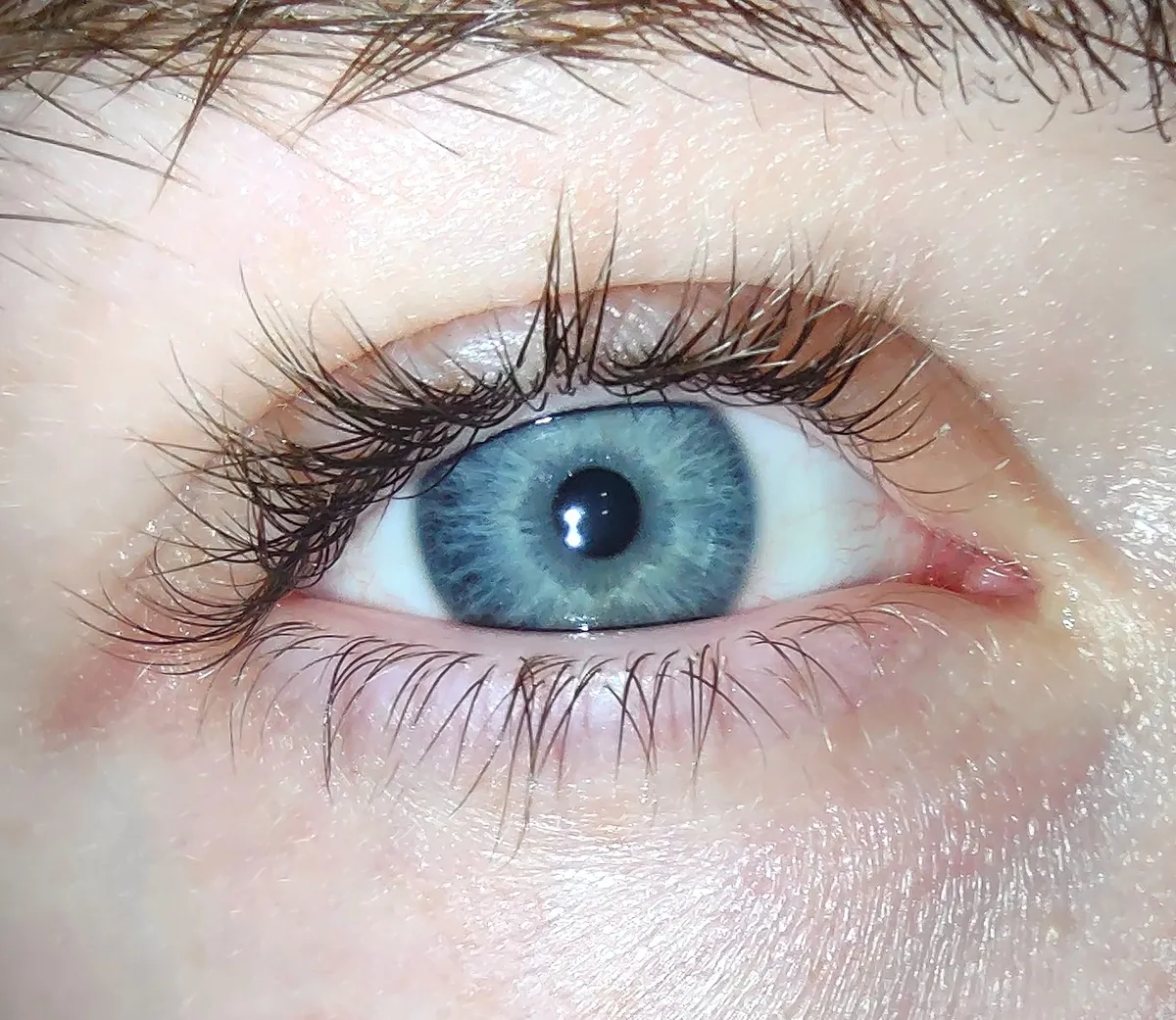
This article explains what happens when your eyelid twitches, covers the most common triggers, discusses the rare conditions that can cause persistent or severe twitching, and provides practical strategies to make it stop.
What Is Eyelid Myokymia?
Myokymia refers to involuntary, fine, rippling contractions of the orbicularis oculi muscle—the thin muscle that encircles the eye and controls eyelid closure. The twitching is typically unilateral (affecting one eye at a time), intermittent, and confined to the lower or upper eyelid. It is visible to the person experiencing it but often not noticeable to others. Each spasm lasts only a fraction of a second, but the episodes can recur for hours, days, or even weeks before resolving spontaneously.2
Myokymia is a benign condition. It does not damage the eye or indicate an underlying neurological disease in the vast majority of cases. However, understanding its triggers can help you resolve it faster and prevent recurrences.
Common Causes of Eye Twitching
1. Stress
Stress is perhaps the single most common trigger for eyelid twitching. When the body is under physical or emotional stress, the nervous system becomes more excitable, lowering the threshold for spontaneous muscle firing. The eyelid muscles are thin and highly innervated, making them particularly susceptible to this effect. Many people notice that eye twitching begins during high-pressure periods at work, during illness, or following emotionally taxing events.
Addressing stress through adequate rest, physical exercise, mindfulness practices, and time management can reduce twitching episodes. If stress is chronic and significantly affecting your quality of life, a provider visit to discuss management strategies is worthwhile.
2. Caffeine
Caffeine stimulates the central nervous system and increases motor neuron excitability. Excessive intake—or even moderate intake in caffeine-sensitive individuals—can trigger myokymia. Coffee is the obvious source, but caffeine is also present in significant quantities in tea, energy drinks, pre-workout supplements, soft drinks, and chocolate. Some medications, including certain headache remedies and weight-loss supplements, also contain caffeine.3
If you are experiencing persistent eye twitching, try eliminating or significantly reducing caffeine for one to two weeks and observe whether the twitching resolves. This is one of the most effective diagnostic and therapeutic steps you can take at home.
3. Sleep Deprivation
Insufficient or poor-quality sleep is a well-established trigger for myokymia. Sleep deprivation increases cortisol levels, disrupts neurotransmitter balance, and heightens overall nervous system excitability. The eyelid muscles, being among the most active muscles in the body (the average person blinks 15 to 20 times per minute), are particularly affected by fatigue.
Adults should aim for seven to nine hours of sleep per night. If you are sleeping fewer than six hours regularly and experiencing eye twitching, improving your sleep duration is likely the single most effective intervention.
4. Screen Fatigue (Digital Eye Strain)
Prolonged use of computers, smartphones, and tablets is a modern and increasingly common trigger for eye twitching. When focusing on a screen, your blink rate drops by as much as 60 percent, leading to dry eyes and fatigue of the eye muscles. The sustained focus at a fixed distance also strains the ciliary muscles that control lens accommodation. This combination of dryness, fatigue, and strain can trigger myokymia.4
The 20-20-20 rule is the standard recommendation: every 20 minutes, look at something 20 feet away for 20 seconds. Additionally, using artificial tears (preservative-free drops) to combat dryness, adjusting screen brightness, and ensuring proper ergonomic positioning can all reduce digital eye strain.
5. Dry Eyes
Dry eye syndrome, whether from screen use, environmental factors (air conditioning, dry climate, wind), contact lens wear, or medications (antihistamines, antidepressants), can irritate the eye surface and trigger reflex twitching. The orbicularis oculi muscle may spasm as a protective response to corneal irritation. Over-the-counter artificial tears used several times daily often resolve both the dryness and the twitching.
6. Alcohol
Alcohol consumption can trigger eye twitching through multiple mechanisms: it acts as a nervous system depressant that causes rebound excitability as it wears off, it contributes to dehydration, and it disrupts sleep architecture. If you notice eye twitching the day after drinking, reducing alcohol intake is a reasonable step.
7. Nutritional Factors
Magnesium plays a critical role in muscle contraction and nerve signal transmission. While outright magnesium deficiency severe enough to cause clinical symptoms is relatively uncommon, subclinical deficiency is thought to be widespread, affecting an estimated 50 percent of the U.S. population.5 Low magnesium levels can increase neuromuscular excitability and contribute to twitching in various muscles, including the eyelids. Foods rich in magnesium include leafy green vegetables, nuts, seeds, whole grains, and dark chocolate. Magnesium supplementation (typically 200 to 400 mg of magnesium glycinate or citrate daily) is generally well tolerated and may help if dietary intake is insufficient.
Rare but Serious Causes
In uncommon cases, persistent or severe eyelid twitching can be a sign of a neurological condition. These situations are distinguished by specific features that differ from ordinary myokymia:
Benign Essential Blepharospasm
This is a focal dystonia (involuntary sustained muscle contraction) that affects both eyes and causes progressive, forceful eyelid closure. Unlike myokymia, blepharospasm involves visible squeezing of the eyes, can interfere with vision and daily activities, and worsens over time. It typically begins in the fifth or sixth decade of life and is more common in women. Treatment with botulinum toxin injections is highly effective.6
Hemifacial Spasm
Hemifacial spasm involves involuntary contractions of the muscles on one side of the face, typically starting around the eye and progressing to involve the cheek and mouth. It is usually caused by a blood vessel compressing the facial nerve. Unlike myokymia, the spasms are more forceful, involve more of the face, and persist indefinitely without treatment. Treatment options include botulinum toxin injections and, in some cases, microvascular decompression surgery.
Other Neurological Conditions
Rarely, eyelid twitching can be an early feature of conditions such as multiple sclerosis, Bell's palsy, or Tourette syndrome. These conditions are accompanied by additional neurological signs and symptoms that distinguish them from isolated myokymia.
When to See a Provider
You should schedule an evaluation if:
- Eye twitching persists for more than two to three weeks despite addressing common triggers
- The twitching involves other parts of the face beyond the eyelid
- The eyelid closes completely during spasms
- You notice drooping, redness, swelling, or discharge in the affected eye
- Twitching began after a head injury or neurological event
- You develop facial weakness or asymmetry
How to Stop Eye Twitching: Practical Steps
Since most eye twitching is driven by lifestyle factors, a systematic approach to trigger reduction is the most effective treatment:
- Cut caffeine. Eliminate or significantly reduce caffeine intake for at least one to two weeks.
- Prioritize sleep. Aim for seven to nine hours of quality sleep each night.
- Manage stress. Incorporate regular exercise, meditation, deep breathing exercises, or other stress-reduction techniques.
- Follow the 20-20-20 rule. Break up screen time with regular distance focusing.
- Use artificial tears. Preservative-free lubricating drops used three to four times daily can address dry eye-related twitching.
- Consider magnesium. If your diet is low in magnesium-rich foods, a supplement may help.
- Reduce alcohol. If twitching correlates with drinking, cut back and observe.
- Apply a warm compress. A warm, damp cloth over the closed eye for five to ten minutes can relax the eyelid muscles.
The Bottom Line
Eye twitching is one of the most common neurological symptoms encountered in daily life, and it is almost always benign. The overwhelming majority of cases are triggered by some combination of stress, caffeine, insufficient sleep, and screen fatigue. Addressing these factors systematically usually resolves the twitching within days to weeks. When twitching persists beyond three weeks, involves other facial muscles, or is accompanied by other neurological symptoms, a provider evaluation can identify the cause and direct treatment. A telehealth visit is a convenient way to start that process.
Random eye twitching (myokymia) is usually caused by fatigue, stress, caffeine intake, or eye strain from prolonged screen use. The twitching involves involuntary, repetitive spasms of the orbicularis oculi muscle in the eyelid. It is almost always harmless and resolves on its own within a few days to a few weeks once the underlying trigger is addressed.
Get the Care You Need Today
A board-certified provider can evaluate your symptoms and recommend treatment. Same-day visits available for patients in Pennsylvania, Maryland, Washington, and Delaware.
Book a Visit →Visits start at $68 · HSA/FSA accepted · PA, MD, WA & DE
Frequently Asked Questions
Why does my eye twitch randomly?
Random eye twitching (myokymia) is usually caused by fatigue, stress, caffeine intake, or eye strain from prolonged screen use. The twitching involves involuntary, repetitive spasms of the orbicularis oculi muscle in the eyelid. It is almost always harmless and resolves on its own within a few days to a few weeks once the underlying trigger is addressed.
How long does eye twitching usually last?
Most episodes of benign eyelid myokymia last from a few seconds up to a few hours, then come and go for several days. Some people experience intermittent twitching for one to three weeks before it fully resolves. If twitching lasts longer than a few weeks, becomes constant, or spreads to other parts of the face, a medical evaluation is warranted.
Can stress and lack of sleep cause eye twitching?
Yes. Stress, anxiety, and sleep deprivation are among the most common triggers of eyelid twitching. Both increase nervous system excitability, which makes the small muscles around the eye fire spontaneously. Improving sleep, lowering caffeine, and using stress-reduction techniques like deep breathing or short breaks from screens often resolves it within a week or two.
Does caffeine make eye twitching worse?
Yes. Caffeine is a known nervous system stimulant and is one of the most frequent triggers for eyelid twitching. Cutting back on coffee, tea, energy drinks, and pre-workout supplements often resolves persistent twitching within a few days. Other stimulants such as nicotine and certain decongestants can have a similar effect.
Can dry eyes or screen use cause my eyelid to twitch?
Yes. Eye strain from extended screen time, uncorrected vision, or dry eyes irritates the muscles around the eye and can trigger twitching. Following the 20-20-20 rule (every 20 minutes, look at something 20 feet away for 20 seconds), using lubricating eye drops, and checking that your glasses prescription is current can reduce both strain and twitching.
Is eye twitching ever a sign of something serious?
Rarely. Persistent twitching that involves one whole side of the face (hemifacial spasm), forces the eye fully closed (blepharospasm), or comes with weakness, drooping, vision changes, or other neurologic symptoms can signal a nerve or brain condition. Multiple sclerosis, Bell palsy, and certain neurologic disorders are uncommon causes. Sudden severe symptoms warrant urgent evaluation.
How do I stop my eye from twitching right now?
In the moment, close your eyes and apply a warm compress for one to two minutes, gently massage the eyelid, and consciously relax your face and shoulders. Take a break from screens, drink water, and remove any contact lenses temporarily if they feel dry. These usually settle a single twitching episode within minutes, though the underlying trigger still needs to be addressed.
Can nutrient deficiencies cause eye twitching?
Possibly. Low magnesium, low potassium, low calcium, and B-vitamin deficiencies have been associated with muscle twitching, including eyelid twitching. Diets very low in green vegetables, nuts, or dairy may contribute. Eating a balanced diet usually corrects this, but if you suspect a deficiency or have other symptoms like cramps or fatigue, a provider can order targeted bloodwork.
When should I see a provider for eye twitching?
See a provider if twitching lasts more than three to four weeks, affects more than just the eyelid, causes the eye to close fully, comes with drooping of the face or mouth, vision changes, eye redness or discharge, or any weakness or numbness. InnoCre evaluates adults and adolescents 12 and older in Pennsylvania, Maryland, Washington, and Delaware and can refer for ophthalmology or neurology when indicated.
Can alcohol withdrawal or medication side effects cause eye twitching?
Yes. Alcohol can trigger twitching both during heavy use and during withdrawal. Certain medications, including some used for psychiatric conditions, Parkinson disease, and seizures, can also cause eyelid or facial twitching as a side effect. If twitching started after a new medication or a change in alcohol use, mention it to your provider so the cause can be identified.
How does an InnoCre telehealth visit work?
After you book, you complete a short intake form, then connect with a board-certified provider by video on the same day in most cases. The provider reviews your symptoms and history, orders lab work at a local lab if needed, and sends any prescription to the pharmacy of your choice. A new-patient visit is a flat $68 with no insurance required.
Atul S. Vellappally, DNP, CRNP, FNP-BC
Founder, InnoCre Telehealth. Board-certified Family Nurse Practitioner with doctoral-level training in evidence-based and precision medicine. Licensed in Pennsylvania, Maryland, Washington, and Delaware.
This article is for informational purposes only and does not constitute medical advice. If you are experiencing a medical emergency, call 911.
Related Services
Related Articles
Related Services