You notice a cluster of small, red bumps on your thighs, a tender pimple-like spot on your scalp, or itchy pustules across your chest that appeared after a weekend at the pool. Folliculitis, the infection or inflammation of one or more hair follicles, is one of the most common skin conditions seen in primary care, yet many people have never heard the term. They may assume they have acne, an allergic reaction, or an insect bite, and either treat the wrong condition or delay care altogether.
At InnoCre Health, we evaluate and treat folliculitis through telehealth visits for patients in Pennsylvania, Maryland, Washington, and Delaware. Because folliculitis is a visual diagnosis that responds well to targeted treatment, telehealth is an ideal option for getting care quickly without the wait and cost of an in-person visit. This guide will walk you through what causes folliculitis, how to manage mild cases at home, when prescription treatment is needed, and how to prevent recurrence.
What Causes Folliculitis?
Folliculitis occurs when hair follicles become damaged or blocked and then infected. The most common culprit is Staphylococcus aureus, a bacterium that lives on the skin of many healthy people without causing problems until it finds an entry point into a compromised follicle. However, folliculitis can also be caused by other organisms and irritants.
Bacterial folliculitis caused by Staphylococcus aureus is the most prevalent form. It presents as clusters of small, white-headed pustules centered around individual hair follicles. The surrounding skin is typically pink or red, and the bumps may be tender or itchy. This form is often triggered by shaving, friction from tight clothing, or excessive sweating.
Hot tub folliculitis, caused by Pseudomonas aeruginosa, develops after exposure to contaminated water in hot tubs, whirlpools, or heated swimming pools that are not adequately chlorinated. It typically appears 24 to 72 hours after exposure and presents as itchy, red bumps and pustules on areas of the body that were submerged. Hot tub folliculitis usually resolves on its own within 7 to 10 days without antibiotic treatment.
Fungal folliculitis, caused by yeast organisms such as Malassezia, is commonly mistaken for acne. It produces uniform, itchy bumps on the chest, back, and shoulders and does not respond to antibacterial treatments. Recognizing fungal folliculitis is important because it requires antifungal therapy rather than antibiotics.
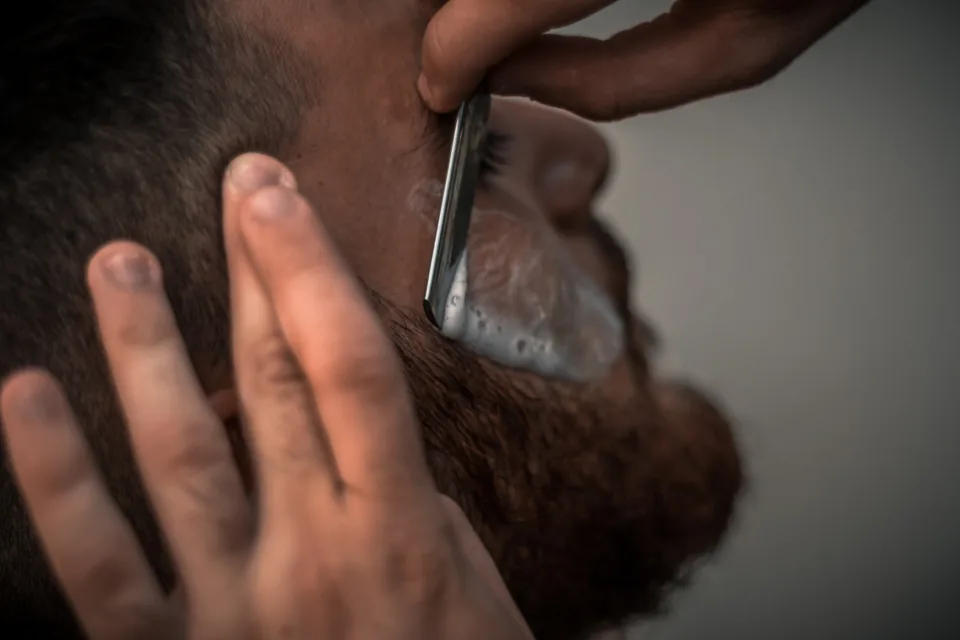
Razor bumps, medically known as pseudofolliculitis barbae, occur when shaved hairs curl back into the skin, causing inflammation and sometimes secondary infection. This is particularly common in individuals with curly hair and most frequently affects the beard area, bikini line, and legs.
Mild Folliculitis: Home Treatment
Many cases of folliculitis are mild and can be managed at home with consistent hygiene measures and over-the-counter treatments. Understanding when home care is appropriate and when to seek professional help is key to avoiding complications.
Warm compresses are a first-line home treatment. Applying a clean, warm, damp washcloth to the affected area for 15 to 20 minutes, three to four times daily, can help reduce inflammation, relieve discomfort, and promote drainage of superficial pustules. The warmth increases local blood flow, which helps the body's immune system address the infection.
Antibacterial cleansers containing benzoyl peroxide or chlorhexidine can help reduce the bacterial load on the skin. These are available over the counter and can be used as a body wash in affected areas. Benzoyl peroxide washes in a 5 to 10 percent concentration are particularly effective against Staphylococcus aureus and can also help with mild fungal folliculitis.
It is important to avoid picking, squeezing, or scratching the affected bumps. Manipulating folliculitis lesions can drive bacteria deeper into the skin, spread the infection to neighboring follicles, and increase the risk of scarring. Keep the area clean and dry, and avoid shaving over active lesions until they have healed.
When to Seek Treatment: Moderate to Severe Cases
While mild folliculitis often resolves with home care, some cases require prescription treatment. You should consider seeking a healthcare provider's evaluation if the folliculitis has not improved after two weeks of home treatment, the area is expanding or new areas are appearing, there is increasing pain, warmth, swelling, or redness suggesting deeper infection, you develop a fever, or you are immunocompromised.
Topical Prescription Treatments
For moderate bacterial folliculitis that has not responded to over-the-counter measures, topical prescription antibiotics may be appropriate. Mupirocin ointment, applied two to three times daily for 7 to 10 days, is effective against Staphylococcus aureus including many methicillin-sensitive strains. Clindamycin topical solution or gel is another option that can be applied directly to the affected follicles.
For fungal folliculitis, topical antifungal creams such as ketoconazole or econazole may be prescribed. These are typically used for two to four weeks and may be combined with an antifungal shampoo used as a body wash for more widespread involvement.
Oral Antibiotics for Severe or Widespread Cases
Oral antibiotics are reserved for folliculitis that is deep, widespread, recurrent, or not responding to topical therapy. Commonly prescribed oral antibiotics include cephalexin, dicloxacillin, and doxycycline. The choice depends on the suspected organism, the severity of the infection, and the patient's medical history and allergies.
For cases suspected to involve methicillin-resistant Staphylococcus aureus (MRSA), trimethoprim-sulfamethoxazole (Bactrim) or doxycycline are typically the first-line oral options. Culture and sensitivity testing may be recommended for recurrent or treatment-resistant cases to guide antibiotic selection.
In rare instances, folliculitis can progress to deeper infections such as furuncles (boils) or carbuncles, which may require incision and drainage in addition to antibiotics. If a folliculitis lesion develops into a large, painful, fluctuant nodule, in-person evaluation may be needed.
Special Types of Folliculitis
Hot Tub Folliculitis
Pseudomonas folliculitis from contaminated water typically presents as widespread, itchy, red papules and pustules appearing one to three days after hot tub or pool exposure. The rash most commonly affects areas covered by a bathing suit, where prolonged contact with the contaminated water occurred. The vast majority of cases resolve spontaneously within one to two weeks. Occasionally, oral ciprofloxacin may be prescribed for severe or persistent cases.
Razor Bumps (Pseudofolliculitis Barbae)
This condition is best managed by modifying shaving practices. Using a sharp, single-blade razor, shaving in the direction of hair growth, applying a shaving gel rather than foam, and not stretching the skin while shaving can all reduce the incidence of razor bumps. Allowing hair to grow to at least 2 to 3 millimeters before reshaving helps prevent the reinsertion of recently shaved hairs. For individuals with severe pseudofolliculitis, alternatives such as electric trimmers or laser hair removal may be recommended.
Preventing Folliculitis Recurrence
Prevention is particularly important for individuals prone to recurrent folliculitis. Several practical strategies can significantly reduce the frequency and severity of episodes.
Proper shaving technique is one of the most impactful preventive measures. Always shave with the grain of hair growth, use a clean and sharp razor (replacing disposable razors after three to five uses), rinse the blade between strokes, and apply a gentle moisturizer after shaving. Avoid dry shaving and consider using an electric razor if folliculitis is a persistent problem in shaved areas.
Clothing choices matter. Tight-fitting synthetic fabrics trap heat and moisture against the skin, creating an environment that favors bacterial growth. Choosing loose, breathable, moisture-wicking fabrics, particularly during exercise and in warm weather, reduces this risk. Change out of wet or sweaty clothing promptly rather than sitting in them for extended periods.
Personal hygiene practices play a role in prevention. Shower after exercising or heavy sweating, avoid sharing towels, razors, or clothing, and wash workout gear between uses. If you use public hot tubs or pools, ensure they are properly maintained and shower promptly afterward.
For individuals with recurrent Staphylococcal folliculitis, a healthcare provider may recommend a decolonization protocol. This typically involves applying mupirocin ointment to the nostrils (where Staph commonly colonizes) twice daily for five days, using chlorhexidine body washes for one to two weeks, and laundering all bedding and towels in hot water during the treatment period.
Why Telehealth Is Ideal for Folliculitis
Folliculitis is a condition that is diagnosed clinically, based on the appearance and distribution of the lesions, making it well-suited for telehealth evaluation. During a video visit, you can show the affected area to the provider, who can assess the type and severity of the folliculitis, determine whether prescription treatment is needed, and prescribe medications electronically to your local pharmacy.
At InnoCre Health, telehealth visits are $68, and we accept HSA and FSA payments. A visit with Atul S. Vellappally, DNP, CRNP, FNP-BC typically includes a visual assessment of the affected skin, a discussion of your symptoms and potential triggers, a treatment recommendation tailored to the type and severity of your folliculitis, and guidance on prevention strategies for recurrence. If your condition requires in-person evaluation, such as incision and drainage of a deep abscess, you will be directed to the appropriate level of care.
- The infection is spreading rapidly despite home treatment
- You develop a fever or feel generally unwell
- A bump becomes a large, painful abscess
- You have red streaks extending from the infected area
- You are diabetic or immunocompromised with a worsening skin infection
Folliculitis is most commonly caused by Staphylococcus aureus bacteria infecting hair follicles. It can also be caused by Pseudomonas aeruginosa (hot tub folliculitis), fungal organisms, or irritation from shaving, tight clothing, or friction. Blocked or damaged hair follicles are more susceptible to infection.
Get the Care You Need Today
A board-certified provider can evaluate your symptoms and recommend treatment. Same-day visits available for patients in Pennsylvania, Maryland, Washington, and Delaware.
Book a Visit →Visits start at $68 · HSA/FSA accepted · PA, MD, WA & DE
Frequently Asked Questions
What causes folliculitis?
Folliculitis is most commonly caused by Staphylococcus aureus bacteria infecting hair follicles. It can also be caused by Pseudomonas aeruginosa (hot tub folliculitis), fungal organisms, or irritation from shaving, tight clothing, or friction. Blocked or damaged hair follicles are more susceptible to infection.
Can folliculitis go away on its own?
Mild folliculitis often resolves on its own within 7 to 10 days with good hygiene and avoidance of irritants. Warm compresses and antibacterial washes can speed recovery. However, if symptoms persist beyond two weeks, worsen, or the area becomes increasingly painful, swollen, or warm, you should see a healthcare provider.
Is folliculitis contagious?
Bacterial folliculitis is usually not highly contagious, but the bacteria (often Staph aureus) can spread through shared razors, towels, or close skin contact. Avoid sharing personal grooming items, wash workout clothes and bedding regularly, and shower promptly after sweating. Hot tub folliculitis from Pseudomonas typically affects multiple people exposed to the same poorly chlorinated water.
What is the best soap or wash for folliculitis?
Antibacterial cleansers containing benzoyl peroxide (4% to 10%) or chlorhexidine help reduce surface bacteria and prevent new bumps. Use them on affected areas a few times a week, then rinse thoroughly. Avoid harsh scrubbing or loofahs, which can damage follicles and worsen the rash. Pat dry with a clean towel and switch towels often.
How can I prevent folliculitis from shaving?
Shave with the grain rather than against it, use a sharp single-blade razor or electric trimmer, and avoid stretching the skin. Apply a moisturizing shave cream, never shave dry, and rinse the blade often. Taking a break from shaving for one to two weeks and treating the area with warm compresses can help an active flare clear up.
When does folliculitis need antibiotics?
Antibiotics are considered when bumps are widespread, painful, recurrent, or not improving with topical care after 7 to 10 days, or when there is surrounding redness, fever, or signs of deeper infection. Mild cases may respond to topical mupirocin or clindamycin, while more extensive bacterial folliculitis often needs oral antibiotics such as cephalexin or doxycycline. A provider can determine the right option based on your exam and history.
What is hot tub folliculitis and how is it treated?
Hot tub folliculitis is caused by Pseudomonas aeruginosa bacteria in inadequately chlorinated hot tubs, pools, or whirlpools. It appears as itchy red bumps 1 to 4 days after exposure, often where a swimsuit covered the skin. Most cases resolve on their own within 7 to 14 days with warm compresses and gentle skin care. Severe or persistent cases may require oral antibiotics such as ciprofloxacin.
How is fungal folliculitis different from bacterial folliculitis?
Fungal (Malassezia) folliculitis often appears as uniform small itchy bumps on the chest, back, or shoulders and tends to flare in hot, humid weather or after antibiotic use. Bacterial folliculitis is usually more inflamed, can have a pus-filled center, and is more common where skin is shaved or rubs. Fungal folliculitis improves with antifungal treatments, not antibiotics, so accurate diagnosis matters.
Why does my folliculitis keep coming back?
Recurrent folliculitis often points to an ongoing trigger such as shaving technique, sweaty workout clothes, tight occlusive clothing, chronic Staph carriage in the nose, or an underlying condition like diabetes or eczema. A clinician can review your habits, consider nasal Staph decolonization with mupirocin, and check for fungal causes if topical and oral antibiotics keep failing.
When should I see a provider for folliculitis?
See a provider if bumps spread or worsen after 7 to 10 days of home care, develop into painful lumps or boils, are accompanied by fever or red streaks, keep recurring, or appear on the face or scalp where scarring is a concern. InnoCre evaluates adults and adolescents 12 and older in Pennsylvania, Maryland, Washington, and Delaware and can prescribe topical or oral antibiotic or antifungal treatment when appropriate.
How does an InnoCre telehealth visit work?
After you book, you complete a short intake form, then connect with a board-certified provider by video on the same day in most cases. The provider reviews your symptoms and history, orders lab work at a local lab if needed, and sends any prescription to the pharmacy of your choice. A new-patient visit is a flat $68 with no insurance required.
Atul S. Vellappally, DNP, CRNP, FNP-BC
Founder, InnoCre Telehealth. Board-certified Family Nurse Practitioner with doctoral-level training in evidence-based and precision medicine. Licensed in Pennsylvania, Maryland, Washington, and Delaware.
This article is for informational purposes only and does not constitute medical advice. If you are experiencing a medical emergency, call 911.
Related Services
Related Articles
Related Services