Step-by-step guide to getting a prescription through telehealth. What conditions qualify, what to expect, and how fast you can get your medication.
Need Care Today?
Get a same-day telehealth visit with a board-certified provider.
Licensed in PA, MD, WA & DE
Book a Visit →How Online Prescriptions Work
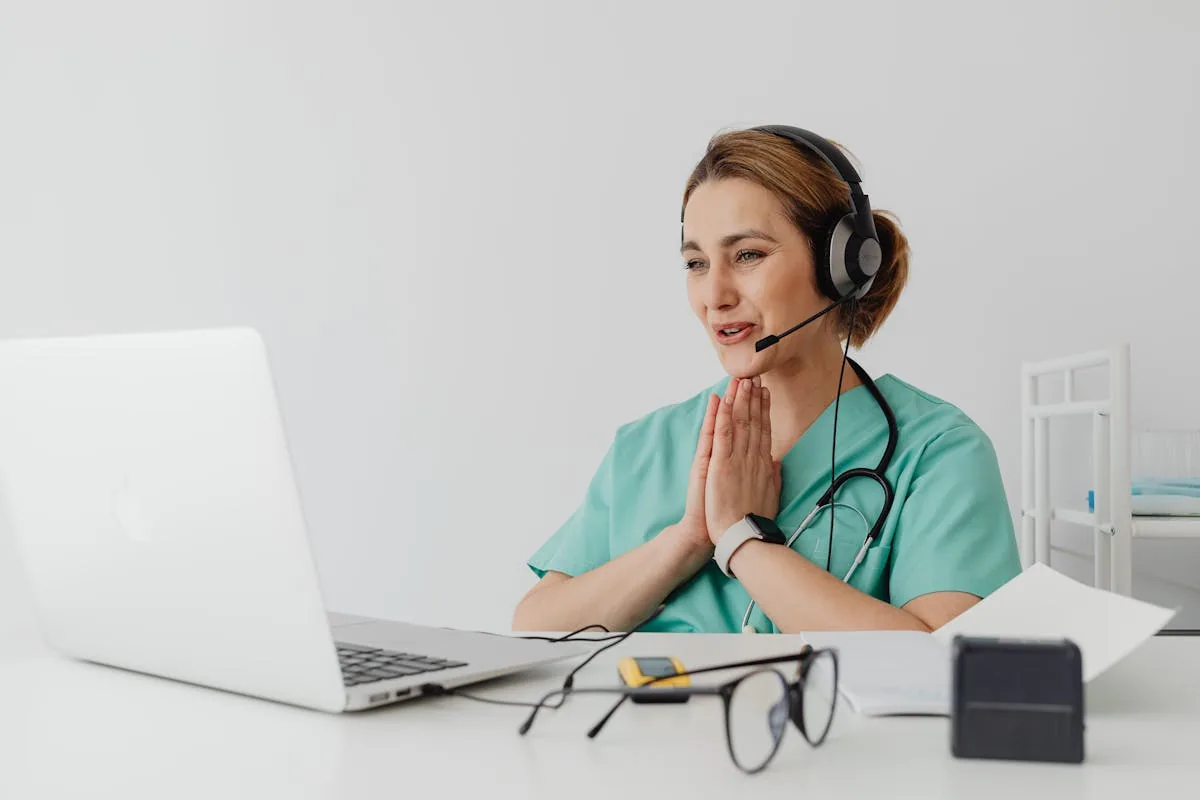
Getting a prescription online works much the same way as getting one from an in-person visit, except the consultation happens over secure video rather than in a physical exam room. A licensed healthcare provider conducts a clinical evaluation, makes a diagnosis, and -- when medically appropriate -- writes a prescription that is sent electronically to the pharmacy of your choice.
The process relies on the same electronic prescribing (e-prescribing) systems used by clinics and hospitals nationwide. When your telehealth provider writes a prescription, it is transmitted directly to your pharmacy through a secure network. The pharmacy receives it just as they would from any other healthcare office, and you can pick up your medication the same day in most cases.
Telehealth prescribing is regulated at both the state and federal level. Providers must hold an active license in the state where the patient is physically located during the visit, maintain proper documentation, and follow the same prescribing standards that apply to in-person care. At InnoCre's online prescription service, every visit includes a thorough clinical evaluation to ensure safe and appropriate prescribing.
What Can and Cannot Be Prescribed Online
Telehealth providers can prescribe a wide range of medications, but there are important limitations. Understanding what can and cannot be prescribed online helps set the right expectations before your visit.
Medications commonly prescribed via telehealth include:
- Antibiotics for bacterial infections (UTIs, sinus infections, strep throat, skin infections)
- Antiviral medications (for influenza, cold sores, shingles)
- Allergy medications (prescription antihistamines, nasal corticosteroid sprays)
- Topical treatments (prescription-strength cortisone creams, antifungals, acne medications)
- Anti-nausea medications
- Birth control pills and other hormonal contraceptives
- Acid reflux and heartburn medications
- Prescription-strength anti-inflammatory medications
- Medication refills for stable chronic conditions
Medications that cannot be prescribed through our telehealth platform include:
- Controlled substances (opioids, benzodiazepines, stimulants, sleep medications such as zolpidem)
- Antipsychotic medications
- Medications requiring in-person monitoring or specialized testing before initiation
If your condition requires a medication that cannot be prescribed via telehealth, your provider will explain why and help you find appropriate in-person care.
The Telehealth Visit Process
A telehealth visit for a prescription follows a structured clinical process designed to ensure accurate diagnosis and safe prescribing. Here is what you can expect from start to finish:
- Scheduling: Book your appointment online. You will complete a brief intake form with your symptoms, medical history, current medications, and known allergies.
- Check-in: A few minutes before your appointment, you will receive a link to join the secure video visit. Make sure you are in a quiet, well-lit space where you can speak privately with your provider.
- Clinical evaluation: Your provider will review your intake information, ask additional questions about your symptoms, and conduct a visual assessment as needed. For conditions like skin rashes or eye infections, you may be asked to hold the camera close to the affected area.
- Diagnosis and treatment plan: Based on the evaluation, your provider will explain their findings, discuss treatment options, and answer any questions you have.
- Prescription (if appropriate): If medication is warranted, your provider will discuss the drug, dosage, potential side effects, and any interactions with your current medications before sending the prescription electronically to your pharmacy.
- Follow-up plan: Your provider will let you know what to watch for, when to expect improvement, and whether a follow-up visit is needed.
Most visits take 10 to 20 minutes. To get the most out of your appointment, write down your questions ahead of time and have a list of your current medications available. Book an urgent care telehealth visit to get started.
Getting Your Prescription Filled
Once your provider sends the prescription electronically, it arrives at your chosen pharmacy within minutes. From there, the process is identical to any other prescription you have had filled. The pharmacy verifies the prescription, checks it against your medication history for interactions, prepares the medication, and notifies you when it is ready for pickup.
Tips for a smooth pharmacy experience:
- Confirm your pharmacy details during the visit, including the pharmacy name, location, and phone number. Even major chains have multiple locations, so make sure your provider sends the prescription to the correct one.
- Ask about generic options if cost is a concern. Generic medications contain the same active ingredients as brand-name drugs and are significantly less expensive.
- Check your insurance formulary if you have prescription coverage. Your provider can often select a covered medication during the visit to avoid surprises at the pharmacy counter.
- Consider pharmacy discount programs such as GoodRx if you are uninsured or underinsured. Many common medications cost under $20 with a discount card.
- Mail-order pharmacy may be an option for maintenance medications that you take regularly. Ask your provider if this is appropriate for your prescription.
If you have any issues filling your prescription, contact your telehealth provider's office. They can send the prescription to a different pharmacy, adjust the medication if needed, or address any questions from the pharmacist.
Cost and Payment
Understanding the costs associated with online prescriptions involves two components: the telehealth visit itself and the cost of the medication at the pharmacy. These are separate charges.
Telehealth visit costs:
- At InnoCre Telehealth, self-pay visits start at $68
- HSA and FSA funds can be used for telehealth visits
- Superbills are provided for possible out-of-network insurance reimbursement
- A telehealth visit is often less expensive than an urgent care or emergency room visit
Medication costs:
- Prescription costs depend on the specific medication, your pharmacy, and any insurance or discount programs you use
- Generic medications are available for the vast majority of commonly prescribed drugs and cost significantly less than brand-name versions
- Pharmacy discount programs and manufacturer coupons can reduce out-of-pocket costs for patients without insurance
- Your provider can discuss cost-effective medication options during your visit
InnoCre Telehealth offers transparent self-pay pricing with no hidden fees or surprise charges. HSA/FSA cards are accepted, and superbills are available for insurance reimbursement. If you have questions about cost before booking, feel free to contact our office.
Safety and Legitimacy
Getting a prescription online is safe when you use a legitimate telehealth provider who conducts a proper clinical evaluation. However, there are important red flags to watch for, as some websites offer prescriptions without adequate medical oversight.
Signs of a legitimate telehealth prescribing service:
- Licensed providers: The service uses providers who hold active, verifiable licenses in the states where they practice
- Clinical evaluation required: A real-time consultation (video or phone) is conducted before any prescription is written
- Proper documentation: The provider asks about your medical history, current medications, and allergies
- HIPAA compliance: The platform uses encrypted, secure technology to protect your health information
- Refusal when appropriate: A legitimate provider will decline to prescribe medication when it is not clinically indicated
Warning signs of an illegitimate service:
- Prescriptions offered without any consultation or with only a questionnaire
- Promises to prescribe controlled substances via telehealth
- No verifiable provider credentials or licensing information
- Pressure to purchase medications directly from the website rather than from your own pharmacy
InnoCre Telehealth is a HIPAA-compliant practice led by a board-certified provider. You can verify our credentials through the state licensing boards of Pennsylvania, Maryland, Washington, and Delaware. Every prescription is based on a thorough clinical evaluation and sent to the licensed pharmacy of your choice.
Common Prescriptions From Telehealth
Telehealth providers can address a broad range of conditions and prescribe many of the same medications available through in-person visits. Below is an overview of the most commonly prescribed medication categories and the conditions they treat.
- Antibiotics: Amoxicillin, azithromycin, doxycycline, nitrofurantoin, trimethoprim-sulfamethoxazole, and cephalexin for bacterial infections including UTIs, sinus infections, strep throat, and skin infections
- Antivirals: Oseltamivir (Tamiflu) for influenza, valacyclovir for cold sores and shingles
- Allergy medications: Prescription-strength nasal sprays (fluticasone, azelastine), oral antihistamines, and epinephrine auto-injector prescriptions for severe allergies
- Skin treatments: Topical steroids, antifungal creams, prescription acne treatments (tretinoin, clindamycin), and medicated shampoos
- Respiratory medications: Albuterol inhalers, inhaled corticosteroids, and oral steroids for asthma and bronchitis exacerbations
- Gastrointestinal medications: Proton pump inhibitors, prescription-strength acid reducers, and anti-nausea medications
- Women's health: Birth control pills, emergency contraception, and medications for yeast infections and bacterial vaginosis
- Chronic disease management: Refills and adjustments for blood pressure medications, cholesterol-lowering drugs, thyroid medications, and diabetes treatments
This list is not exhaustive. If you are unsure whether your medication can be prescribed or refilled through telehealth, book a visit with our prescription refill service and your provider will let you know what options are available for your specific situation.
Frequently Asked Questions
Can you get a prescription without seeing a doctor in person?
Yes. Licensed telehealth providers can evaluate your condition via video visit and prescribe medication when clinically appropriate. Controlled substances cannot be prescribed via telehealth through our platform.
What prescriptions can telehealth provide?
Telehealth can prescribe antibiotics, antivirals, anti-nausea medications, birth control, topical treatments, allergy medications, and many other non-controlled medications.
How quickly can I get my prescription filled?
Prescriptions are sent electronically to your pharmacy during or immediately after your visit. Most pharmacies can fill them within 1 to 2 hours.
Is it safe to get prescriptions online?
Yes, when obtained through a legitimate telehealth provider who conducts a proper clinical evaluation. Avoid websites that offer prescriptions without a medical consultation.
How does online medication prescription work through telehealth?
When evaluating online medication prescription, clinicians consider state laws, mental health, online doctor, and insurance plan. An InnoCre telehealth visit covers a same-day symptom review, lab orders at a local lab when needed, and a prescription sent to your pharmacy if appropriate.
How does an InnoCre telehealth visit work?
After you book, you complete a short intake form, then connect with a board-certified provider by video on the same day in most cases. The provider reviews your symptoms and history, orders lab work at a local lab if needed, and sends any prescription to the pharmacy of your choice. A new-patient visit is a flat $68 with no insurance required.
Sources
Clinical references used in this article:
- Why Use Telehealth?. Telehealth.HHS.gov.
- What Can Be Treated Through Telehealth?. Telehealth.HHS.gov.
- How Do I Protect My Data and Privacy?. Telehealth.HHS.gov.
- Manage Common Cold. Centers for Disease Control and Prevention.
Get the Care You Need Today
A board-certified provider can evaluate your symptoms and recommend treatment. Same-day visits available for patients in Pennsylvania, Maryland, Washington, and Delaware.
Book a Visit →Visits start at $68 · HSA/FSA accepted · PA, MD, WA & DE
Atul S. Vellappally, DNP, CRNP, FNP-BC
Founder, InnoCre Telehealth. Board-certified Family Nurse Practitioner with doctoral-level training in evidence-based and precision medicine. Licensed in Pennsylvania, Maryland, Washington, and Delaware.
This article is for informational purposes only and does not constitute medical advice. If you are experiencing a medical emergency, call 911.
Related Services