Nearly half of American adults have high blood pressure, yet only about one in four have it under control. If you have been told your blood pressure is elevated, you are probably wondering whether you can bring it down through lifestyle changes alone or whether you need medication. The honest answer is: it depends on your numbers, your risk factors, and how consistently you can implement changes.
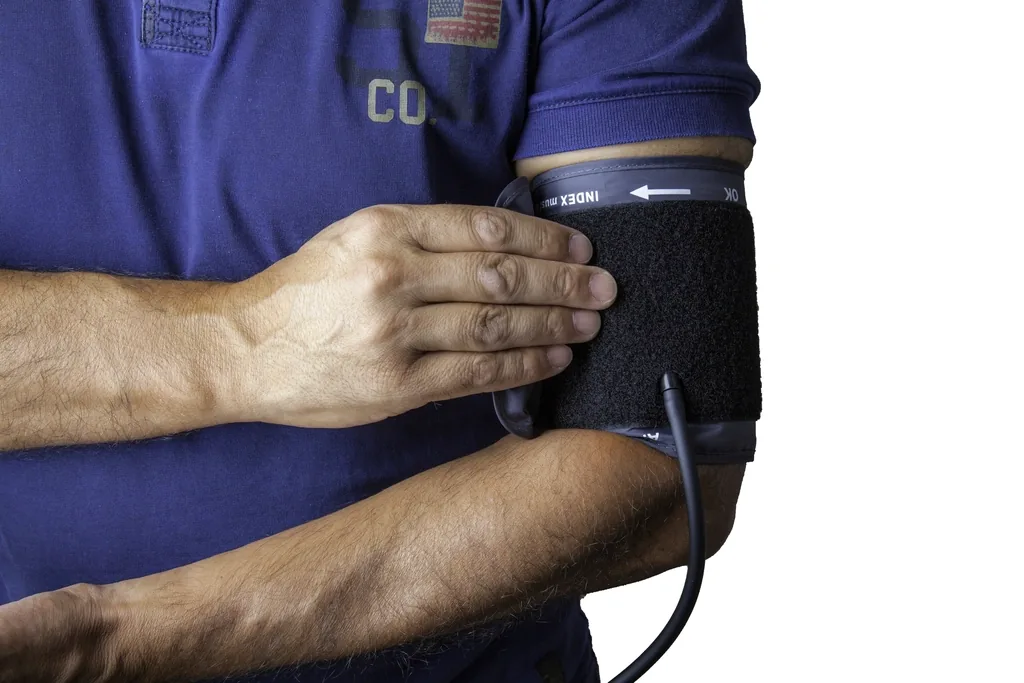
This article covers the specific lifestyle modifications proven to lower blood pressure, how much each change can realistically reduce your numbers, and the clear clinical thresholds that indicate when medication is needed — because sometimes lifestyle changes alone are not enough, and delaying medication can put your health at risk.
Understanding Your Blood Pressure Numbers
Blood pressure is measured in millimeters of mercury (mmHg) and expressed as two numbers. The top number (systolic) measures the pressure in your arteries when your heart beats. The bottom number (diastolic) measures the pressure when your heart rests between beats. The American College of Cardiology and American Heart Association updated blood pressure categories in 2017, and these remain the current standard.1
| Category | Systolic (mmHg) | Diastolic (mmHg) |
|---|---|---|
| Normal | Less than 120 | Less than 80 |
| Elevated | 120–129 | Less than 80 |
| Stage 1 Hypertension | 130–139 | 80–89 |
| Stage 2 Hypertension | 140 or higher | 90 or higher |
| Hypertensive Crisis | Above 180 | Above 120 |
Understanding where your numbers fall is the first step in determining the right treatment approach. A single elevated reading does not necessarily mean you have hypertension — blood pressure fluctuates throughout the day. Your provider will typically want to see elevated readings on at least two separate occasions before making a diagnosis.
The DASH Diet: The Gold Standard for Blood Pressure
The Dietary Approaches to Stop Hypertension (DASH) diet is the most well-studied dietary intervention for lowering blood pressure, and the evidence behind it is remarkably strong. In clinical trials, the DASH diet has been shown to lower systolic blood pressure by 8 to 14 mmHg — a reduction comparable to some blood pressure medications.2
The DASH diet emphasizes fruits (4 to 5 servings daily), vegetables (4 to 5 servings daily), whole grains (6 to 8 servings daily), lean proteins including fish and poultry, low-fat dairy products (2 to 3 servings daily), and nuts, seeds, and legumes (4 to 5 servings per week). It limits saturated fat, red meat, added sugars, and sodium. The most significant aspect of DASH is the combined effect of these dietary patterns — it is not about any single food but rather the overall eating pattern.
Many patients see measurable blood pressure improvements within two weeks of consistently following the DASH diet. This makes it one of the fastest-acting lifestyle interventions available.
Reduce Sodium Intake
Sodium reduction is one of the most impactful single changes you can make for blood pressure. The average American consumes approximately 3,400 mg of sodium per day — well above the recommended 2,300 mg (about one teaspoon of salt), and far above the 1,500 mg per day ideal for people with hypertension.3
Reducing sodium intake by even 1,000 mg per day can lower systolic blood pressure by 5 to 6 mmHg. The most effective strategy is to focus on reducing processed and restaurant foods, which account for roughly 70 percent of sodium in the typical American diet. Reading nutrition labels, cooking at home more frequently, and using herbs, spices, citrus, and vinegar for flavor instead of salt can make a significant difference. Results from sodium reduction are typically visible within two to four weeks.
Exercise: 150 Minutes That Matter
Regular physical activity is one of the most effective non-pharmacological interventions for hypertension. The American Heart Association recommends at least 150 minutes per week of moderate-intensity aerobic exercise — such as brisk walking, cycling, or swimming — for blood pressure management.4
Regular exercise can lower systolic blood pressure by 5 to 8 mmHg in people with hypertension. The benefits are dose-dependent, meaning more consistent exercise produces greater reductions, but even small amounts of activity are beneficial compared to being sedentary. You do not need to start with 150 minutes immediately — beginning with 10- to 15-minute walks and gradually increasing duration and intensity is a perfectly valid approach.
Resistance training (weight lifting) also contributes to blood pressure reduction, though aerobic exercise has a larger effect. The combination of aerobic and resistance training is ideal. Dynamic exercises like isometric wall sits and hand grip exercises have also shown promising results in recent research.
Other Proven Lifestyle Modifications
Weight management has a direct relationship with blood pressure. Research shows that losing approximately one kilogram (2.2 pounds) of body weight reduces systolic blood pressure by about 1 mmHg. For someone who is 20 pounds overweight, losing that weight could reduce blood pressure by approximately 9 mmHg — a clinically significant improvement.5
Limiting alcohol consumption to no more than two drinks per day for men and one for women can lower systolic blood pressure by approximately 4 mmHg. Excessive alcohol consumption is a significant and underrecognized contributor to hypertension.
Stress management plays an important supporting role. While chronic stress is not a direct cause of sustained hypertension, it contributes to behaviors (overeating, poor sleep, physical inactivity, excessive alcohol use) that raise blood pressure. Evidence-based stress reduction techniques include regular physical activity, mindfulness meditation, deep breathing exercises, adequate sleep (7 to 9 hours nightly), and maintaining social connections.
Quitting smoking does not directly lower chronic blood pressure readings, but it dramatically reduces your overall cardiovascular risk. Each cigarette temporarily raises blood pressure for several minutes, and smoking accelerates arterial damage and atherosclerosis. Quitting is the single most important thing a smoker can do for cardiovascular health.
When Medication Is Necessary
Lifestyle modifications are powerful, but they have limits. Current clinical guidelines from the American College of Cardiology and American Heart Association recommend medication in the following scenarios.1
For patients with Stage 1 hypertension (130-139/80-89 mmHg) who also have a 10-year cardiovascular risk of 10 percent or higher, or who have a history of cardiovascular disease, diabetes, or chronic kidney disease, medication is recommended alongside lifestyle changes. For Stage 1 patients without these additional risk factors, a trial of lifestyle modifications alone for three to six months is typically appropriate before considering medication.
For patients with Stage 2 hypertension (140/90 mmHg or higher), medication is generally recommended from the outset, in addition to lifestyle modifications. Waiting to see if lifestyle changes alone will be sufficient at this level of elevation is not considered safe, as the risk of complications increases significantly at these pressures.
Common first-line blood pressure medications include ACE inhibitors (lisinopril, enalapril), ARBs (losartan, valsartan), calcium channel blockers (amlodipine), and thiazide diuretics (hydrochlorothiazide, chlorthalidone). Your provider will select the most appropriate medication based on your specific health profile, other medical conditions, and potential drug interactions. Many patients achieve excellent blood pressure control on a single medication, while others may need a combination of two or more.
Managing Blood Pressure Through Telehealth
Blood pressure management is ideally suited for telehealth because the most important data — your blood pressure readings — can be captured at home. In fact, home blood pressure monitoring often provides more accurate and representative data than office readings, which can be affected by white-coat hypertension (blood pressure that is elevated in a clinical setting but normal at home).6
At InnoCre, a typical blood pressure management plan includes an initial telehealth evaluation to review your blood pressure readings, medical history, and cardiovascular risk factors. Your provider will develop a personalized treatment plan that may include lifestyle modifications, medication, or both. Regular follow-up visits (typically every four to eight weeks initially, then less frequently once blood pressure is stable) allow your provider to track your progress, adjust medications as needed, and address any side effects. Your provider may also order baseline lab work including a metabolic panel and lipid panel to assess overall cardiovascular risk.
Having a reliable home blood pressure monitor is essential for telehealth-based blood pressure management. The American Heart Association recommends an automatic, cuff-style, upper-arm monitor. Take readings at the same time each day, sitting quietly for five minutes before measuring, with your arm supported at heart level.
A normal blood pressure reading is below 120/80 mmHg. Elevated blood pressure is 120-129 systolic with less than 80 diastolic. Stage 1 hypertension is 130-139 systolic or 80-89 diastolic. Stage 2 hypertension is 140/90 mmHg or higher. A hypertensive crisis requiring emergency care is above 180/120 mmHg.
Get the Care You Need Today
A board-certified provider can evaluate your symptoms and recommend treatment. Same-day visits available for patients in Pennsylvania, Maryland, Washington, and Delaware.
Book a Visit →Visits start at $68 · HSA/FSA accepted · PA, MD, WA & DE
Frequently Asked Questions
What is a normal blood pressure reading?
A normal blood pressure reading is below 120/80 mmHg. Elevated blood pressure is 120-129 systolic with less than 80 diastolic. Stage 1 hypertension is 130-139 systolic or 80-89 diastolic. Stage 2 hypertension is 140/90 mmHg or higher. A hypertensive crisis requiring emergency care is above 180/120 mmHg.
Can you lower blood pressure without medication?
Yes, many people with Stage 1 hypertension (130-139/80-89 mmHg) can lower their blood pressure through lifestyle modifications alone, including the DASH diet, regular exercise, weight loss, sodium reduction, limiting alcohol, and stress management. These changes can lower systolic blood pressure by 5 to 15 mmHg. However, if blood pressure remains elevated after 3 to 6 months of lifestyle changes, or if you have additional cardiovascular risk factors, medication may be recommended.
How quickly can lifestyle changes lower blood pressure?
Some lifestyle changes produce measurable results within weeks. Reducing sodium intake can lower blood pressure within 2 to 4 weeks. Regular exercise typically shows results within 4 to 12 weeks. Weight loss produces approximately 1 mmHg reduction in blood pressure per kilogram lost. The DASH diet has been shown to lower blood pressure within 2 weeks of adoption.
What medications are commonly used to lower blood pressure?
Common first-line classes include ACE inhibitors (lisinopril, enalapril), ARBs (losartan, valsartan), calcium channel blockers (amlodipine), and thiazide diuretics (hydrochlorothiazide, chlorthalidone). The right medication depends on age, race, kidney function, other conditions like diabetes, and side effect tolerance. InnoCre can prescribe these non-controlled medications and monitor response.
How much sodium per day is safe for high blood pressure?
Most adults with high blood pressure should aim for less than 1,500 to 2,300 milligrams of sodium per day. For comparison, a single teaspoon of salt contains about 2,300 mg, and most of dietary sodium comes from packaged and restaurant foods. Reading nutrition labels, choosing fresh foods, and using spices and herbs instead of salt can significantly lower intake.
Does exercise really lower blood pressure?
Yes. Aerobic activity such as brisk walking, cycling, or swimming for 30 minutes most days of the week lowers systolic blood pressure by an average of 5 to 8 mmHg. Strength training 2 to 3 times a week adds further benefit. Even short walks after meals help. Consistency matters more than intensity. If you have known heart disease, talk with a provider before starting a new program.
Can stress and poor sleep raise blood pressure?
Yes. Chronic stress increases sympathetic nervous system activity, which can raise blood pressure both short term and long term. Poor sleep, particularly untreated obstructive sleep apnea, is strongly associated with high blood pressure. Treating insomnia, addressing snoring or apnea, and using stress-reduction techniques like meditation often lowers blood pressure by several mmHg.
What is the DASH diet?
The DASH (Dietary Approaches to Stop Hypertension) diet emphasizes vegetables, fruits, whole grains, low-fat dairy, lean proteins, nuts, and seeds, while limiting sodium, red meat, sugar, and saturated fat. It can lower systolic blood pressure by 8 to 14 mmHg in people with hypertension. It is consistently rated among the best overall eating patterns by major medical organizations.
How should I measure my blood pressure at home?
Use a validated upper-arm cuff. Sit quietly for 5 minutes before measuring, with your back supported, feet flat on the floor, and arm at heart level. Avoid caffeine, exercise, and smoking 30 minutes beforehand. Take two readings 1 minute apart in the morning and evening for 7 days, and average them. Bring the log to your provider visit.
When should I get emergency care for high blood pressure?
Call 911 or go to the ER if blood pressure is above 180/120 mmHg with symptoms such as chest pain, shortness of breath, weakness, slurred speech, severe headache, vision changes, or confusion. A reading above 180/120 without symptoms (urgent hypertension) should still prompt immediate provider contact for same-day care, repeat measurement, and likely medication adjustment.
How does an InnoCre telehealth visit work?
After you book, you complete a short intake form, then connect with a board-certified provider by video on the same day in most cases. The provider reviews your symptoms and history, orders lab work at a local lab if needed, and sends any prescription to the pharmacy of your choice. A new-patient visit is a flat $68 with no insurance required.
Atul S. Vellappally, DNP, CRNP, FNP-BC
Founder, InnoCre Telehealth. Board-certified Family Nurse Practitioner with doctoral-level training in evidence-based and precision medicine. Licensed in Pennsylvania, Maryland, Washington, and Delaware.
This article is for informational purposes only and does not constitute medical advice. If you are experiencing a medical emergency, call 911.
Related Services
Related Articles
Related Services