Your rescue inhaler is running low, your refills have expired, and the thought of scheduling an in-person appointment — then waiting days or weeks to be seen — is frustrating when you know exactly what you need. Or maybe your asthma has been creeping back: more coughing at night, tightness during exercise, reaching for your rescue inhaler more often than you'd like. Either way, you need a provider, and you need one soon.
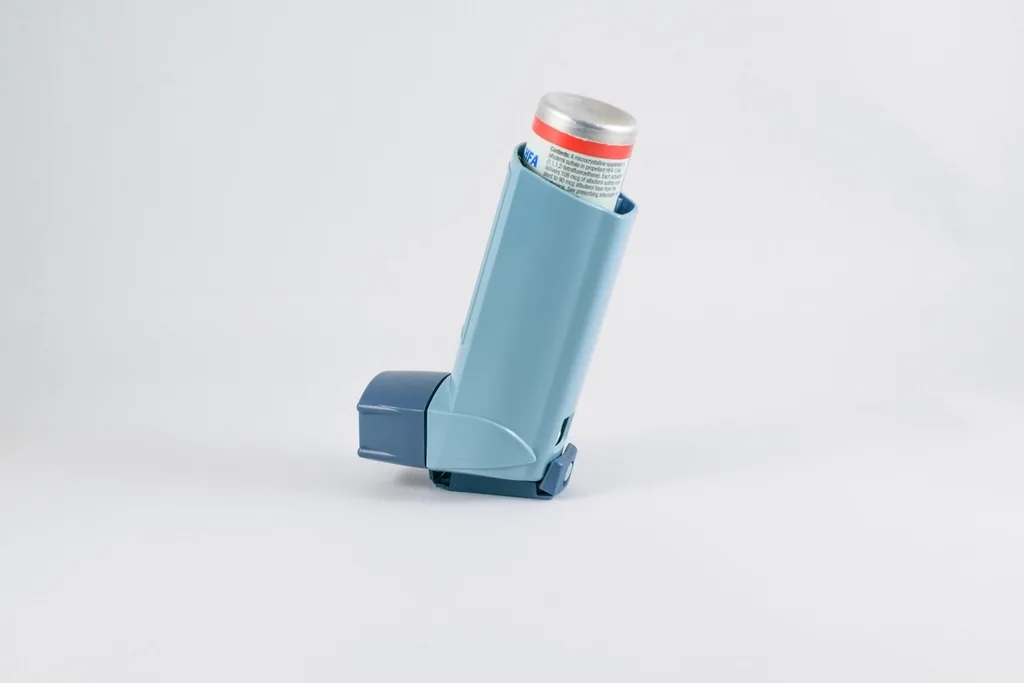
At InnoCre, getting an inhaler prescription — or a comprehensive asthma treatment plan — is as simple as booking a telehealth visit. A board-certified nurse practitioner evaluates your symptoms, prescribes the right inhaler, and creates a personalized asthma action plan. All for $68, HSA/FSA accepted, serving patients in Pennsylvania, Maryland, Washington, and Delaware.
What Inhalers Can InnoCre Prescribe Online?
Asthma treatment involves two categories of medications: quick-relief (rescue) medications for acute symptoms, and long-term controller medications that prevent symptoms from occurring in the first place. Your InnoCre provider can prescribe both.
Rescue Inhalers (Quick-Relief)
Rescue inhalers contain short-acting beta-agonists (SABAs) that rapidly relax the muscles around your airways, providing relief within minutes during an asthma attack or flare-up:
- Albuterol (ProAir HFA, Ventolin HFA, Proventil HFA) — The most commonly prescribed rescue inhaler. Works within 5-15 minutes and lasts 4-6 hours.
- Levalbuterol (Xopenex HFA) — A refined form of albuterol that may cause fewer side effects like jitteriness and rapid heart rate in some patients.
Every asthma patient should have a quick-relief option available. If you're reaching for yours more than twice per week (outside of exercise), that's a signal that your asthma needs better long-term control — which is where controller medications come in.
One important update: per the latest GINA guidelines (2024–2025), a short-acting reliever like albuterol used on its own is no longer the preferred reliever for adults and adolescents. The preferred approach is an anti-inflammatory reliever — as-needed low-dose inhaled corticosteroid–formoterol (such as budesonide/formoterol) — which treats the underlying airway inflammation while it relieves symptoms. Albuterol remains widely used and appropriate in many situations, and your InnoCre provider will recommend the reliever strategy that fits your asthma.
Controller Inhalers (Long-Term Prevention)
Controller medications are taken daily regardless of symptoms. They reduce the underlying airway inflammation that causes asthma attacks, making flare-ups less frequent and less severe:
- Inhaled Corticosteroids (ICS) — fluticasone (Flovent), budesonide (Pulmicort), beclomethasone (QVAR). The cornerstone of persistent asthma treatment, these reduce inflammation directly in the airways.
- Combination ICS/LABA Inhalers — budesonide/formoterol (Symbicort), fluticasone/salmeterol (Advair), fluticasone/vilanterol (Breo Ellipta). These pair an inhaled corticosteroid with a long-acting bronchodilator for dual-action control.
- Long-Acting Muscarinic Antagonists (LAMA) — tiotropium (Spiriva Respimat). An add-on option for patients whose asthma isn't fully controlled on ICS/LABA combinations.
Additional Asthma Medications
- Leukotriene Modifiers — montelukast (Singulair). An oral medication that blocks inflammatory leukotrienes, useful as add-on therapy or for patients who also have allergic rhinitis.
- Oral Corticosteroid Bursts — prednisone or prednisolone. For acute asthma exacerbations, a short course of oral steroids can rapidly reduce airway inflammation.
Your Personalized Asthma Action Plan
An asthma action plan is a written document that tells you exactly what medications to take — and what actions to take — based on how you're feeling. It's one of the most effective tools for reducing asthma hospitalizations and ER visits. Every InnoCre asthma patient receives one.
Your action plan uses the traffic-light system, customized to your specific medications and triggers:
Having a clear action plan eliminates the guesswork during a flare-up. You know exactly what to do, when to escalate, and when to seek emergency care — before panic sets in.
How an Online Asthma Visit Works
Step 1: Book your visit. Schedule at innocre.org. If you're just needing a rescue inhaler refill, mention that when you book — but plan for your provider to do a full assessment regardless, because good asthma care means looking at the whole picture.
Step 2: Clinical evaluation. Your provider will ask about your symptom frequency and patterns, nighttime symptoms, exercise tolerance, current medications and inhaler technique, triggers (allergens, exercise, cold air, illness), and how often you're using your rescue inhaler. This conversation tells your provider where your asthma falls on the severity spectrum — intermittent, mild persistent, moderate persistent, or severe persistent — which determines the right treatment approach.
Step 3: Prescriptions and action plan. Based on your evaluation, your provider prescribes the appropriate inhalers and creates your asthma action plan. Prescriptions are sent to your pharmacy electronically.
Step 4: Ongoing management. Asthma isn't static — it changes with seasons, life circumstances, and overall health. Regular follow-ups (typically every 3-6 months for well-controlled asthma) ensure your treatment plan evolves with your needs.
When Telehealth Is Right for Asthma — and When It's Not
Telehealth is appropriate and effective for the majority of asthma care, including initial evaluation and diagnosis of mild-to-moderate asthma, rescue inhaler prescriptions and refills, controller medication initiation and adjustment, asthma action plan development, and ongoing monitoring and follow-up visits.
However, your InnoCre provider may refer you to a pulmonologist or recommend in-person evaluation if you've had multiple hospitalizations or ER visits for asthma, your asthma isn't controlled despite multiple medications, you need pulmonary function testing (spirometry) for diagnosis or assessment, you may be a candidate for biologic therapies (for severe asthma), or there's concern about an alternative diagnosis.
This isn't a limitation of telehealth — it's good clinical judgment. Your InnoCre provider will always guide you toward the right level of care.
Common Asthma Triggers and How to Manage Them
Knowing and avoiding your triggers is just as important as taking the right medication. During your visit, your InnoCre provider will help you identify and develop strategies for your personal triggers:
Allergens: Dust mites, pet dander, pollen, and mold are the most common allergic triggers. Environmental controls — HEPA filters, allergen-proof bedding covers, and strategic cleaning habits — can dramatically reduce exposure.
Respiratory infections: Colds and flu are leading triggers for asthma flare-ups. Your provider can recommend annual flu vaccination and discuss strategies for managing asthma during upper respiratory infections.
Exercise: Exercise-induced bronchoconstriction affects many asthma patients but shouldn't prevent you from being active. Using your rescue inhaler 15-20 minutes before exercise, or using a daily controller medication, usually prevents symptoms effectively.
Weather and air quality: Cold air, humidity changes, and poor air quality days can all trigger symptoms. Your provider can help you plan around these factors.
Irritants: Tobacco smoke, strong odors, cleaning chemicals, and air pollution worsen asthma. Avoiding exposure is the primary strategy, and your provider can offer practical guidance.
Yes. InnoCre providers can prescribe both rescue inhalers (like albuterol) and controller inhalers (like fluticasone or budesonide/formoterol) through telehealth visits. Your provider will evaluate your symptoms, assess your asthma severity, and prescribe the appropriate inhaler — sent electronically to your pharmacy.
Get the Care You Need Today
A board-certified provider can evaluate your symptoms and recommend treatment. Same-day visits available for patients in Pennsylvania, Maryland, Washington, and Delaware.
Book a Visit →Visits start at $68 · HSA/FSA accepted · PA, MD, WA & DE
Frequently Asked Questions
Can I get an inhaler prescribed online through telehealth?
Yes. InnoCre providers can prescribe both rescue inhalers (like albuterol) and controller inhalers (like fluticasone or budesonide/formoterol) through telehealth visits. Your provider will evaluate your symptoms, assess your asthma severity, and prescribe the appropriate inhaler — sent electronically to your pharmacy.
Can I get an inhaler prescription through telehealth?
Yes. Rescue inhalers like albuterol and most controller inhalers, including inhaled corticosteroids and combination ICS/LABA inhalers such as Symbicort and Advair, can be prescribed via telehealth. InnoCre treats adults and adolescents 12 and older in Pennsylvania, Maryland, Washington, and Delaware for $68 and can typically issue a prescription during a single video visit after reviewing your symptoms and history.
What is the difference between a rescue inhaler and a controller inhaler?
A rescue inhaler such as albuterol works within minutes to open the airways during an asthma attack or before exercise. A controller inhaler, usually an inhaled corticosteroid like fluticasone or budesonide, is taken daily to reduce underlying airway inflammation and prevent attacks. People with persistent asthma generally need both.
How do I know if my asthma is well controlled?
Well-controlled asthma means daytime symptoms no more than twice a week, no nighttime awakenings, rescue inhaler use no more than twice a week (not counting pre-exercise), no limitation of normal activity, and no recent flare requiring oral steroids. If you are missing any of those benchmarks, your controller therapy likely needs adjustment.
When should I go to the ER for asthma?
Seek emergency care for severe shortness of breath, inability to speak in full sentences, lips or fingertips turning blue, no improvement after several rescue inhaler treatments, or peak flow readings below 50 percent of your personal best. Frequent rescue inhaler use suggests an oncoming flare and warrants prompt evaluation even if you are not yet in distress.
Can asthma get worse with exercise, allergies, or weather changes?
Yes. Exercise, cold air, viral infections, allergens like pollen and pet dander, smoke, and even strong emotions can all trigger asthma flares. Pre-treating with a rescue inhaler 15 minutes before exercise, adding allergy treatment when relevant, and maintaining good controller therapy reduce the impact of these triggers.
Are biologics for severe asthma available via telehealth?
Biologic medications such as omalizumab, mepolizumab, and dupilumab require specialist evaluation and in-person administration. We typically refer patients with suspected severe or biologic-eligible asthma to pulmonology or allergy. InnoCre can manage standard rescue and controller therapy and coordinate referrals when biologic therapy may be appropriate.
What is the right way to use a metered-dose inhaler?
Shake the inhaler, exhale fully, place the mouthpiece in your mouth (or use a spacer), press the canister at the start of a slow steady inhalation, and hold your breath for ten seconds before exhaling. A spacer dramatically improves drug delivery, especially in adolescents. Rinsing your mouth after using an inhaled steroid reduces thrush risk.
Can my asthma improve over time or go away?
Childhood asthma sometimes diminishes in adolescence, but adult-onset asthma usually persists and requires long-term management. With proper controller therapy, trigger avoidance, and timely treatment of flares, most patients achieve excellent control and lead normal active lives. Stopping controllers without medical guidance often leads to relapse.
Will I need a peak flow meter or spirometry?
A peak flow meter helps track your airway function at home and detect flares early, and is often recommended for moderate-to-severe asthma. Spirometry, performed in a clinic or pulmonary lab, is the gold standard test for diagnosis and ongoing assessment and may be ordered through a local facility when needed.
How does an InnoCre telehealth visit work?
After you book, you complete a short intake form, then connect with a board-certified provider by video on the same day in most cases. The provider reviews your symptoms and history, orders lab work at a local lab if needed, and sends any prescription to the pharmacy of your choice. A new-patient visit is a flat $68 with no insurance required.
Atul S. Vellappally, DNP, CRNP, FNP-BC
Founder, InnoCre Telehealth. Board-certified Family Nurse Practitioner with doctoral-level training in evidence-based and precision medicine. Licensed in Pennsylvania, Maryland, Washington, and Delaware.
This article is for informational purposes only and does not constitute medical advice. If you are experiencing a medical emergency, call 911.
Related Services
Related Articles
Related Services
Related Articles