Your thyroid is a small, butterfly-shaped gland at the base of your neck, but its influence on your health is enormous. This gland produces hormones that regulate your metabolism, energy levels, body temperature, heart rate, and even your mood. When your thyroid produces too much or too little hormone, nearly every system in your body can be affected.
Thyroid disorders are remarkably common, affecting an estimated 20 million Americans, with up to 60 percent of those unaware of their condition. Women are five to eight times more likely than men to develop thyroid problems, and the risk increases with age. Understanding the signs, getting proper testing, and receiving appropriate treatment can dramatically improve your quality of life.
Understanding Hypothyroidism: The Underactive Thyroid
Hypothyroidism occurs when your thyroid gland does not produce enough thyroid hormone. This is the most common thyroid disorder, and Hashimoto's thyroiditis, an autoimmune condition where your immune system attacks the thyroid, is its leading cause. Other causes include surgical removal of the thyroid, radiation therapy, certain medications like lithium and amiodarone, and iodine deficiency.
Common Symptoms of Hypothyroidism
The symptoms of an underactive thyroid often develop gradually over months or years, making them easy to dismiss as normal aging or stress. Key symptoms include persistent fatigue that does not improve with rest, unexplained weight gain or difficulty losing weight, increased sensitivity to cold, constipation, dry skin and brittle nails, hair thinning or loss, muscle weakness and joint stiffness, depression or low mood, brain fog and memory problems, heavier or irregular menstrual periods, and elevated cholesterol levels.
Many patients describe feeling like they are "running on empty" despite adequate sleep. The combination of fatigue, weight gain, and mood changes often leads people to believe they are simply not exercising enough or eating poorly, when the underlying issue is hormonal.
Understanding Hyperthyroidism: The Overactive Thyroid
Hyperthyroidism occurs when the thyroid produces excessive amounts of thyroid hormone, essentially putting your metabolism into overdrive. Graves' disease, another autoimmune condition, is the most common cause. Toxic nodular goiter and thyroiditis are other potential causes.
Common Symptoms of Hyperthyroidism
An overactive thyroid tends to produce more noticeable symptoms that develop more rapidly. These include unintentional weight loss despite normal or increased appetite, rapid or irregular heartbeat (palpitations), anxiety, nervousness, or irritability, tremor in your hands and fingers, increased sweating and heat intolerance (sometimes including night sweats), more frequent bowel movements, difficulty sleeping, thinning skin, and fine or brittle hair. In Graves' disease specifically, some patients develop eye problems including bulging, redness, or double vision.
Thyroid Testing: What Labs Do You Need?
Proper thyroid evaluation begins with blood tests. Understanding what these tests measure helps you have informed conversations with your provider about your results.
TSH (Thyroid-Stimulating Hormone)
TSH is the single most important screening test for thyroid function. Produced by the pituitary gland in your brain, TSH tells your thyroid how much hormone to make. When thyroid hormone levels are low, TSH rises (trying to stimulate more production). When thyroid hormone levels are high, TSH drops. The normal range is generally 0.4 to 4.0 mIU/L, though some experts argue the upper limit should be closer to 2.5 for optimal function.
Free T4 and Free T3
If your TSH is abnormal, the next step is measuring the actual thyroid hormones in your blood. Free T4 (thyroxine) is the primary hormone produced by the thyroid. Free T3 (triiodothyronine) is the more active form. These tests help determine the severity of thyroid dysfunction and guide treatment decisions.
Thyroid Antibodies
Anti-TPO (thyroid peroxidase) and anti-thyroglobulin antibodies help identify autoimmune thyroid disease. Elevated TPO antibodies are found in approximately 90 percent of Hashimoto's patients. Thyroid-stimulating immunoglobulins (TSI) are specific to Graves' disease.
When to Get Tested
You should consider thyroid testing if you have symptoms suggestive of thyroid dysfunction, a family history of thyroid disease, other autoimmune conditions, a history of neck radiation, are over age 60 with nonspecific symptoms, or are experiencing fertility issues or recurrent miscarriages.
Treating Hypothyroidism: Levothyroxine and Beyond
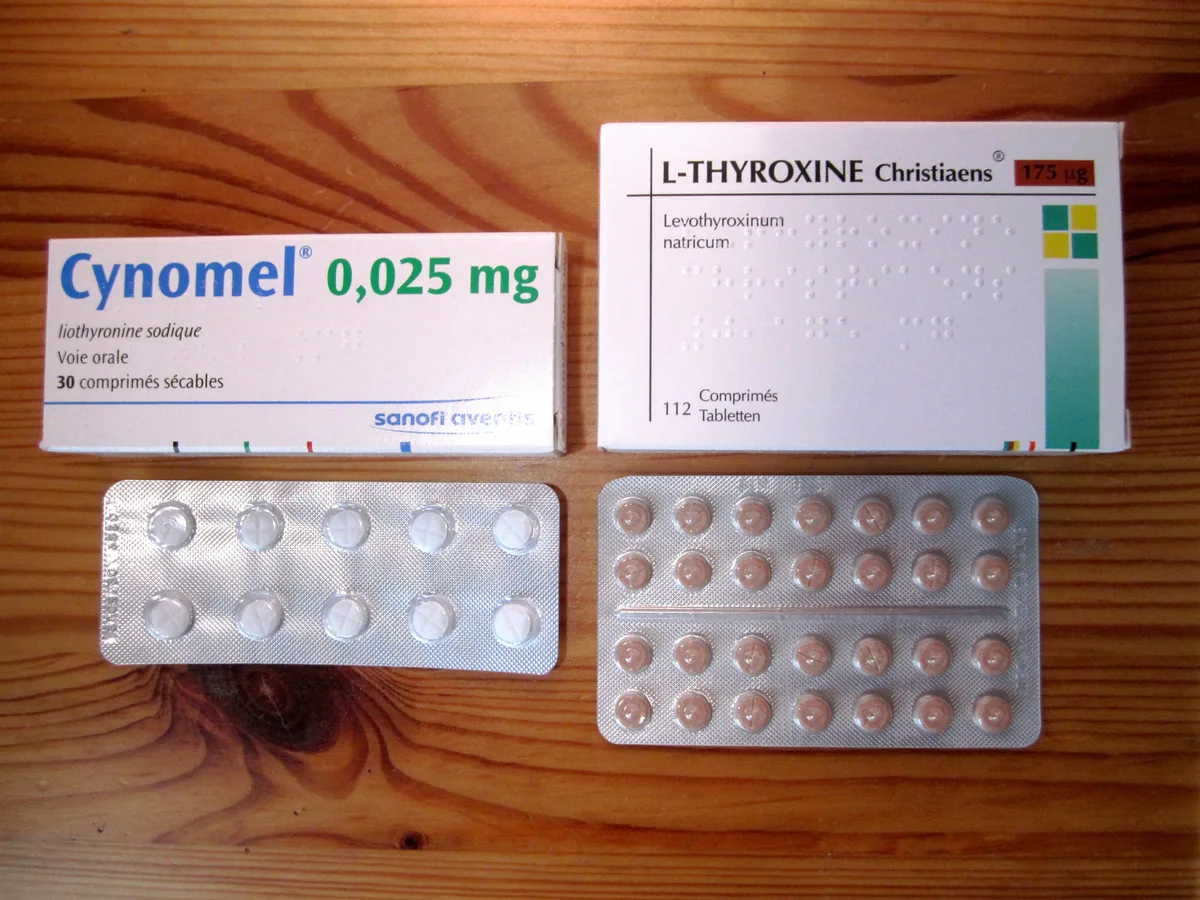
The standard treatment for hypothyroidism is levothyroxine (brand names include Synthroid, Levoxyl, and Tirosint), a synthetic form of the T4 hormone your thyroid would normally produce. This medication is one of the most commonly prescribed drugs in the United States and has been used safely for decades.
Starting Levothyroxine
Your provider will determine your starting dose based on your weight, age, severity of hypothyroidism, and cardiac history. Most adults start at 25 to 75 micrograms daily, with older adults and those with heart disease typically starting at lower doses. The medication should be taken on an empty stomach, ideally 30 to 60 minutes before breakfast, with a full glass of water.
Important Medication Considerations
Several factors can interfere with levothyroxine absorption. Calcium supplements, iron supplements, antacids, and certain foods like soy and high-fiber foods should be taken at least four hours apart from your thyroid medication. Coffee can also reduce absorption if consumed immediately after taking the pill. Consistency in timing and method of taking the medication is key to stable thyroid levels.
Monitoring and Dose Adjustments
After starting levothyroxine or changing your dose, TSH should be rechecked in six to eight weeks. This interval allows your levels to reach
Get the Care You Need Today
A board-certified provider can evaluate your symptoms and recommend treatment. Same-day visits available for patients in Pennsylvania, Maryland, Washington, and Delaware.
Book a Visit →Visits start at $68 · HSA/FSA accepted · PA, MD, WA & DE
Frequently Asked Questions
What are the first signs of a thyroid problem?
Early signs of hypothyroidism include unexplained fatigue, weight gain, cold intolerance, dry skin, and hair thinning. Hyperthyroidism often presents with weight loss, rapid heartbeat, anxiety, heat intolerance, and tremors. Many people attribute these symptoms to stress or aging, which delays diagnosis.
How is thyroid function tested?
Thyroid function is primarily tested through a blood test measuring TSH (thyroid-stimulating hormone). If TSH is abnormal, free T4 and free T3 levels are checked. Additional tests may include thyroid antibodies (TPO, thyroglobulin) to identify autoimmune thyroid disease like Hashimoto's or Graves' disease.
Can thyroid problems be managed through telehealth?
Yes, thyroid management is well-suited for telehealth. After initial diagnosis with lab work, ongoing monitoring including medication adjustments, symptom assessment, and lab review can be effectively conducted through virtual visits. Lab orders can be sent to local facilities for convenient blood draws.
How long does levothyroxine take to work?
Most patients begin noticing improvement in energy and symptoms within 2-4 weeks of starting levothyroxine. However, it takes approximately 6-8 weeks for thyroid levels to fully stabilize, which is why TSH is rechecked at 6-8 week intervals after any dose change.
Do I need to take thyroid medication forever?
For most people with hypothyroidism, particularly those with Hashimoto's thyroiditis, levothyroxine is a lifelong medication because the thyroid cannot recover its function. However, some cases of subclinical hypothyroidism may normalize over time. Your provider will monitor your levels regularly to determine ongoing need.
How should I take levothyroxine for best results?
Take levothyroxine on an empty stomach at the same time each day, ideally 30 to 60 minutes before breakfast with a full glass of water. Avoid taking it within 4 hours of calcium supplements, iron supplements, magnesium, antacids, or coffee, as these significantly reduce absorption. Consistency matters more than the specific time of day.
Can thyroid problems cause depression or anxiety?
Yes. Hypothyroidism is associated with low mood, depression, slowed thinking, and brain fog. Hyperthyroidism often causes anxiety, irritability, panic-like symptoms, and insomnia. Mental-health symptoms can be the first noticeable sign of thyroid dysfunction. Checking TSH is a reasonable first step in evaluating new or unexplained mood or anxiety symptoms.
Can adolescents have thyroid problems?
Yes. Both hypothyroidism (often Hashimoto's) and hyperthyroidism (often Graves' disease) can occur in teens, more commonly in girls. Symptoms in adolescents may include fatigue, weight changes, mood changes, growth delays, irregular periods, or declining school performance. At InnoCre we evaluate patients 12 and older and can order thyroid testing and start treatment when appropriate.
When should I see an endocrinologist?
Most uncomplicated hypothyroidism can be managed by a primary care provider through telehealth. Refer to endocrinology for thyroid nodules or goiter requiring evaluation, hyperthyroidism and Graves' disease, thyroid cancer, thyroid disease during pregnancy, levels that remain unstable despite dose adjustments, or central (pituitary) hypothyroidism. We coordinate referrals to local endocrinologists in Pennsylvania, Maryland, Washington, and Delaware when needed.
Does diet affect thyroid function?
Adequate but not excessive iodine intake is important — most Americans get enough through iodized salt and dairy. Selenium-rich foods (Brazil nuts, fish, eggs) support thyroid hormone metabolism. Cruciferous vegetables and soy in normal dietary amounts are safe; you do not need to avoid them. Highly restrictive diets are not necessary for most patients with thyroid disease, and we can review your specific situation.
How does an InnoCre telehealth visit work?
After you book, you complete a short intake form, then connect with a board-certified provider by video on the same day in most cases. The provider reviews your symptoms and history, orders lab work at a local lab if needed, and sends any prescription to the pharmacy of your choice. A new-patient visit is a flat $68 with no insurance required.
Atul S. Vellappally, DNP, CRNP, FNP-BC
Founder, InnoCre Telehealth. Board-certified Family Nurse Practitioner with doctoral-level training in evidence-based and precision medicine. Licensed in Pennsylvania, Maryland, Washington, and Delaware.
This article is for informational purposes only and does not constitute medical advice. If you are experiencing a medical emergency, call 911.
Related Services
Related Articles
Related Services