Bee sting identification, normal reactions vs allergic reactions, treatment at home, and when to seek emergency care.
Need Care Today?
Get a same-day telehealth visit with a board-certified provider.
Licensed in PA, MD, WA & DE
Book a Visit →Normal Bee Sting Reaction

Honeybees leave their barbed stinger behind after stinging — remove it as quickly as possible.
Most bee stings cause an immediate, sharp burning pain at the sting site. Within minutes, a raised red welt develops around a small white spot where the stinger punctured the skin. Mild swelling, warmth, and itching around the sting area are completely normal and indicate your immune system is responding to the venom.
A normal bee sting reaction typically follows this pattern:
- Sharp pain that peaks within the first few minutes and fades over 1 to 2 hours
- A red bump with a visible puncture point, sometimes with a visible stinger
- Localized swelling that stays within a few centimeters of the sting site
- Mild itching that may persist for a day or two
For most people, these symptoms resolve on their own within a few hours to a couple of days. No medical treatment is usually needed beyond basic first aid. If you are unsure whether your reaction is normal, an urgent care telehealth visit can help you determine whether further care is needed.
Large Local Reactions
Some people develop what clinicians call a large local reaction. This means the swelling extends well beyond the immediate sting site, sometimes covering an entire limb. For example, a sting on the hand could cause the entire forearm to swell. This type of reaction affects roughly 10 percent of people who are stung and is caused by an exaggerated immune response to the bee venom proteins.
Large local reactions typically peak at 48 to 72 hours after the sting and most resolve within 5 to 10 days, though more severe reactions can take up to 2 weeks to fully settle. The affected area may appear red, feel warm and firm to the touch, and be quite tender. While these reactions look alarming, they are not the same as a systemic allergic reaction and are generally not life-threatening.
Treatment for large local reactions includes oral antihistamines such as cetirizine or diphenhydramine, ice application, elevation of the affected limb, and over-the-counter pain relievers like ibuprofen. If swelling continues to worsen after 48 hours or you develop signs of skin infection such as increasing redness, pus, or red streaking, contact a provider. Our allergy treatment service can help evaluate persistent or recurrent large local reactions.
Signs of Allergic Reaction
A systemic allergic reaction to a bee sting, known as anaphylaxis, is a medical emergency that requires immediate treatment. Anaphylaxis occurs when the immune system overreacts to bee venom and releases chemicals that can cause the body to go into shock. This affects roughly 3 percent of adults who are stung and can develop within minutes.
Call 911 or go to the nearest emergency room if you experience any of the following after a bee sting:
- Hives, itching, or flushing that spreads beyond the sting site
- Swelling of the face, lips, tongue, or throat
- Difficulty breathing, wheezing, or a tight feeling in the chest
- Dizziness, lightheadedness, or fainting
- A rapid or weak pulse
- Nausea, vomiting, or diarrhea
- A sense of impending doom
If you carry an epinephrine auto-injector (EpiPen), use it immediately and still call 911, as symptoms can return after the first dose wears off. Anyone who has had a systemic reaction to a bee sting should be evaluated by an allergist and carry epinephrine at all times. If you have experienced hives after a sting but no breathing difficulty, a telehealth provider can help assess your risk and discuss next steps.
First Aid for Bee Stings
Proper first aid can reduce pain, swelling, and the risk of infection after a bee sting. The most important first step is removing the stinger as quickly as possible. Honeybees leave their barbed stinger embedded in the skin, and the attached venom sac continues to pump venom for up to a minute after the sting.
Follow these steps immediately after a bee sting:
- Remove the stinger by scraping it sideways with a flat edge such as a credit card or fingernail. Avoid squeezing the stinger with tweezers, as this can push more venom into the wound.
- Wash the area gently with soap and water to reduce infection risk.
- Apply a cold compress wrapped in a thin cloth for 10 minutes on, 10 minutes off to reduce swelling and numb the pain.
- Take an over-the-counter pain reliever such as ibuprofen or acetaminophen if needed.
- Consider an antihistamine such as diphenhydramine (Benadryl) or cetirizine (Zyrtec) to reduce itching and mild swelling.
Keep the sting site clean and avoid scratching, which can break the skin and introduce bacteria. Watch for signs of infection over the next several days, including increasing redness, warmth, pus, or red streaking from the wound.
Home Remedies That Work
Several evidence-supported home remedies can provide additional relief after a bee sting. While these are not substitutes for medical treatment when a serious reaction occurs, they can help manage mild to moderate discomfort at home.
- Baking soda paste: Mix baking soda with a small amount of water to form a thick paste and apply it to the sting site. This may help neutralize acidic components of the venom and reduce itching.
- Hydrocortisone cream (1%): Available over the counter, this topical steroid reduces localized inflammation and itching when applied two to three times daily.
- Calamine lotion: A time-tested remedy for itch relief that can be applied several times per day.
- Elevation: If the sting is on a hand, foot, or limb, keeping it elevated above heart level can help reduce swelling.
- Honey (topical): A thin layer of raw honey over the sting site may offer mild antibacterial and anti-inflammatory benefits.
Avoid applying raw meat, mud, or tobacco juice to the sting, as these folk remedies are not supported by clinical evidence and can introduce bacteria. If home remedies are not providing adequate relief after 24 to 48 hours, an urgent care telehealth visit can help determine whether a prescription-strength treatment is appropriate.
When to See a Provider
While most bee stings can be safely managed at home, certain situations warrant professional medical evaluation. Seek emergency care (call 911) immediately if you experience any signs of anaphylaxis, including difficulty breathing, throat or facial swelling, dizziness, or a rapid pulse.
Schedule a visit with a healthcare provider if you notice any of the following:
- Swelling that continues to spread or worsen after 48 hours
- Signs of infection: increasing redness, warmth, pus or drainage, red streaking, or fever
- Multiple stings (10 or more), which can cause a toxic reaction even without a true allergy
- A sting inside the mouth or throat, which can cause dangerous swelling even in non-allergic individuals
- Symptoms that do not improve within a week
- You have a known bee venom allergy and were stung, even if you used your EpiPen
A telehealth visit is an excellent option for evaluating bee sting reactions that are concerning but not emergencies. Your provider can visually assess the sting via video, determine whether antibiotics or prescription-strength medications are needed, and advise on whether allergy testing is appropriate. Book an allergy consultation if you have experienced repeated large local reactions or a prior systemic reaction and need a long-term management plan.
Frequently Asked Questions
How long does a bee sting hurt?
Initial sharp pain lasts 1 to 2 hours. Swelling and mild pain may continue for 1 to 3 days. Large local reactions with significant swelling can last up to a week.
When should I go to the ER for a bee sting?
Seek emergency care immediately if you experience difficulty breathing, facial or throat swelling, dizziness, rapid pulse, or a widespread rash after being stung.
Should I remove the stinger?
Yes. Remove the stinger as quickly as possible by scraping it sideways with a flat edge like a credit card. Avoid squeezing with tweezers, which can inject more venom.
Does ice help a bee sting?
Yes. Apply ice wrapped in a cloth for 10 minutes on, 10 minutes off to reduce swelling and numb pain. Over-the-counter antihistamines and pain relievers also help.
What Does Bee Sting Look Like?
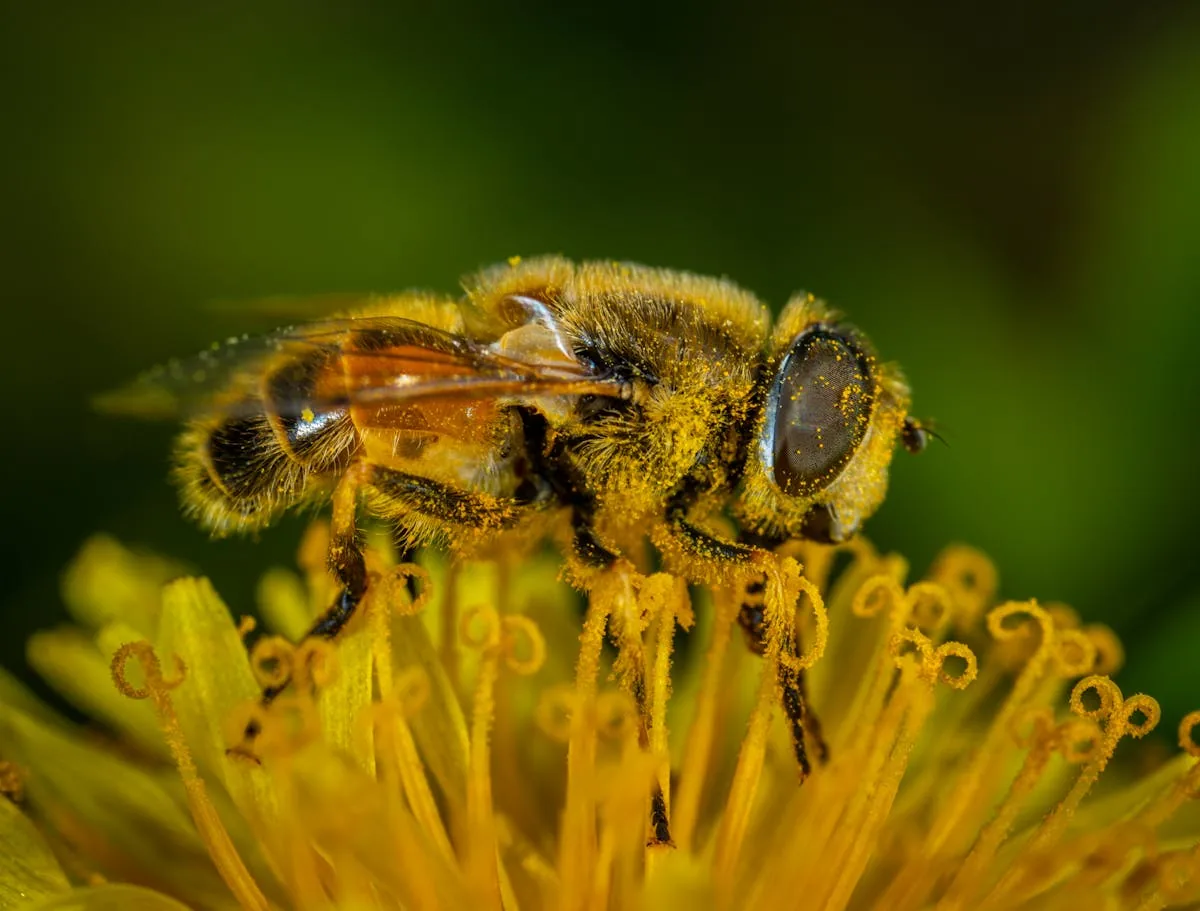
When evaluating what does bee sting look like, clinicians consider medical attention and honey bee dies. An InnoCre telehealth visit covers a same-day symptom review, lab orders at a local lab when needed, and a prescription sent to your pharmacy if appropriate.
How does an InnoCre telehealth visit work?
After you book, you complete a short intake form, then connect with a board-certified provider by video on the same day in most cases. The provider reviews your symptoms and history, orders lab work at a local lab if needed, and sends any prescription to the pharmacy of your choice. A new-patient visit is a flat $68 with no insurance required.
Sources
Clinical references used in this article:
- Insect Bites and Stings. Centers for Disease Control and Prevention.
- Insect Sting Allergy. American Academy of Allergy, Asthma & Immunology (AAAAI).
- Bee, Wasp, Hornet, or Yellow Jacket Sting. MedlinePlus Medical Encyclopedia.
Get the Care You Need Today
A board-certified provider can evaluate your symptoms and recommend treatment. Same-day visits available for patients in Pennsylvania, Maryland, Washington, and Delaware.
Book a Visit →Visits start at $68 · HSA/FSA accepted · PA, MD, WA & DE
Atul S. Vellappally, DNP, CRNP, FNP-BC
Founder, InnoCre Telehealth. Board-certified Family Nurse Practitioner with doctoral-level training in evidence-based and precision medicine. Licensed in Pennsylvania, Maryland, Washington, and Delaware.
This article is for informational purposes only and does not constitute medical advice. If you are experiencing a medical emergency, call 911.
Related Services