Inner ear itching explained. Learn common causes like allergies, eczema, and ear infections, plus when to see a provider online.
Need Care Today?
Get a same-day telehealth visit with a board-certified provider.
Licensed in MD, WA & DE
Book a Visit →Common Causes of Inner Ear Itching
That persistent itch deep inside your ear canal is one of the most common complaints providers hear about, and it can have a surprisingly wide range of causes. The skin lining your ear canal is thin and sensitive, making it vulnerable to irritation from allergens, infections, skin conditions, and even your own daily habits. Understanding the root cause is the first step toward finding lasting relief.
The most frequent culprits behind an itchy inner ear include allergic rhinitis (hay fever), contact dermatitis from earbuds or hearing aids, eczema or psoriasis of the ear canal, fungal or bacterial infections, and excessive or insufficient earwax. Less commonly, conditions like temporomandibular joint (TMJ) dysfunction can refer sensations to the ear canal due to shared nerve pathways.
In many cases, itchy ears are mild and resolve on their own or with simple at-home measures. However, when itching is accompanied by pain, drainage, hearing changes, or swelling, it may indicate a condition that needs medical evaluation. A telehealth provider can often assess your symptoms through a video visit and recommend the right course of action, whether that involves allergy management, topical treatments, or a referral for further testing.
Allergies and Ear Itching
Allergies are among the most common reasons your ears itch inside, especially during spring and fall when pollen counts rise. When your body encounters an allergen such as pollen, dust mites, pet dander, or mold, it releases histamine as part of the immune response. Histamine triggers inflammation and swelling in mucous membranes throughout your head and neck, including the delicate lining of the ear canal. This is why itchy ears often come alongside a runny nose, sneezing, and watery eyes.
Food allergies can also play a role, particularly in people who experience oral allergy syndrome. Certain raw fruits, vegetables, and tree nuts share protein structures with common pollen allergens, and eating them can trigger itching in the ears, throat, and mouth within minutes. This cross-reactivity is well-documented between birch pollen and apples, for example, or ragweed and melons.
If you suspect allergies are behind your inner ear itch, over-the-counter antihistamines like cetirizine or loratadine can provide relief. Nasal corticosteroid sprays also help by reducing inflammation throughout the nasal and ear passages. For persistent or severe allergic symptoms, an online allergy consultation can help you develop a more targeted treatment plan, including identifying your specific triggers and exploring longer-term management options.
Eczema and Dermatitis in the Ear Canal
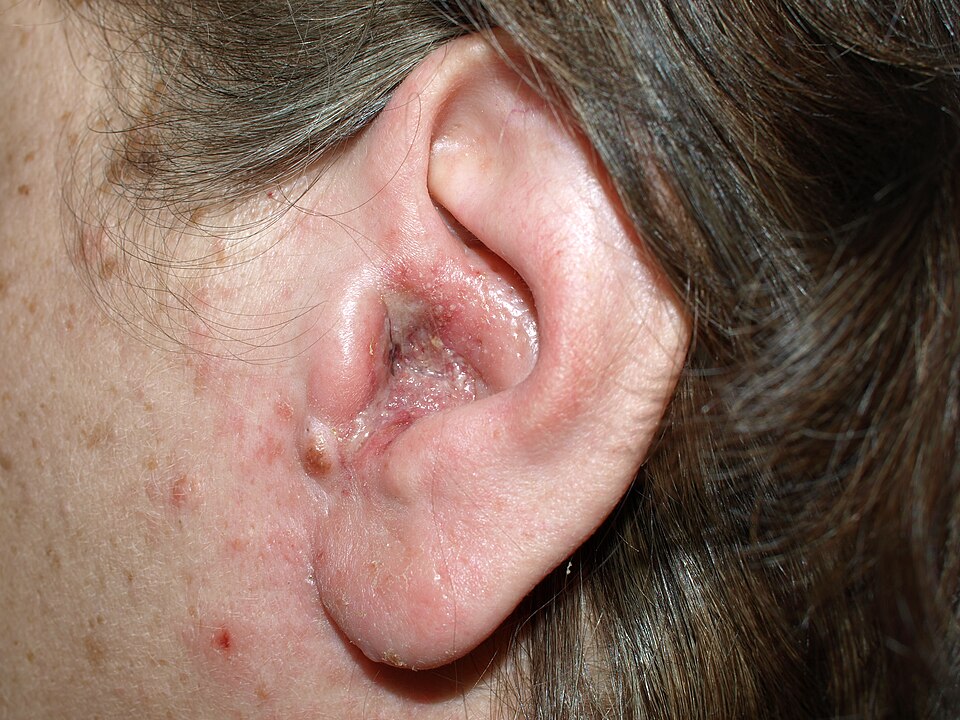
Eczema (atopic dermatitis) and contact dermatitis are significant causes of chronic ear canal itching that many people overlook. Atopic dermatitis can affect the skin anywhere on the body, and the ear canal is no exception. When eczema flares in this area, the skin becomes dry, flaky, and intensely itchy. Scratching or inserting objects to relieve the itch damages the skin barrier further, creating a cycle of irritation and inflammation that can be difficult to break.
Contact dermatitis in the ear canal is often triggered by products that come into direct contact with the skin. Common offenders include nickel in earrings or earbuds, silicone or rubber materials in hearing aids, hair care products like shampoo or hair dye that drip into the ear, and even certain ear drops that contain preservatives or neomycin. The resulting reaction can cause redness, scaling, and a persistent itch that worsens with continued exposure to the irritant.
Treatment for ear canal eczema and dermatitis typically involves identifying and avoiding the trigger, keeping the ear canal dry, and using prescribed topical corticosteroid drops or creams to calm the inflammation. Emollients designed for sensitive skin can help restore the moisture barrier. If you are dealing with recurring flares, an online eczema consultation can help you pinpoint the cause and build a management plan that prevents future episodes.
Ear Infections That Cause Itching
Itching is frequently an early symptom of an ear infection, particularly otitis externa, commonly known as swimmer's ear. This condition develops when bacteria or fungi colonize the warm, moist environment of the ear canal. In the initial stages, the primary symptom is often a nagging itch rather than pain. As the infection progresses, you may notice increasing discomfort, a feeling of fullness, muffled hearing, and sometimes drainage from the ear that can be clear, yellowish, or foul-smelling.
Fungal ear infections (otomycosis) deserve special mention because itching is their hallmark symptom. These infections are more common in humid climates and in people who use hearing aids, earbuds, or cotton swabs regularly. Fungal infections tend to cause intense itching with a feeling of dampness in the ear, and may produce a thick, dark-colored discharge. They can be stubborn to treat and often require antifungal ear drops prescribed by a provider.
If your itchy ear is accompanied by pain that worsens when you tug on your earlobe, any type of discharge, reduced hearing, or swelling of the ear canal, it is important to have a provider evaluate you. Untreated ear infections can spread to surrounding tissues and, in rare cases, become serious. A telehealth visit for ear infection treatment allows a provider to assess your symptoms, determine whether you need prescription ear drops or oral antibiotics, and monitor your recovery.
Dry Skin and Earwax Buildup
Your ear canal produces cerumen (earwax) for good reason. This waxy substance traps dust and debris, repels water, and contains antimicrobial compounds that protect against infection. When earwax production is too low, the canal becomes dry and prone to itching. This is particularly common in older adults, whose cerumen glands naturally produce less wax over time. Cold, dry winter air and frequent use of heating systems can also strip moisture from the ear canal skin.
On the other end of the spectrum, excessive earwax buildup can also cause itching. When cerumen accumulates and hardens against the canal wall, it creates pressure and irritation that your body interprets as an itch. People who wear hearing aids or earbuds for extended periods are especially prone to wax impaction because these devices block the ear's natural self-cleaning mechanism, which moves wax outward through jaw movement during talking and chewing.
For dry ear canals, a small amount of mineral oil, olive oil, or an over-the-counter ear moisturizing drop applied once or twice a week can restore comfort. For wax buildup, over-the-counter cerumenolytic drops (such as carbamide peroxide) can soften impacted wax so it exits naturally. Avoid ear candling, which has no scientific support and carries real risks of burns and ear canal damage. If home measures do not resolve the problem, a provider can recommend safe removal options.
What Not to Do When Your Ears Itch
When your ears itch inside, the instinct to scratch or insert something into the canal can be overwhelming, but doing so almost always makes the problem worse. Cotton swabs are the most common offender. Despite their widespread use, they push earwax deeper into the canal, compact it against the eardrum, and scrape the thin skin lining the canal. These micro-abrasions create entry points for bacteria and fungi, turning a simple itch into a full-blown infection.
Other objects people commonly reach for, including bobby pins, pen caps, keys, and twisted tissue paper, pose the same risks with even greater potential for injury. The ear canal is only about 2.5 centimeters long, and the eardrum at its end is remarkably thin. Perforating the eardrum with a foreign object can cause sudden pain, hearing loss, dizziness, and a vulnerability to infection that may take weeks to heal. The longstanding clinical advice remains straightforward: do not put anything smaller than your elbow in your ear.
You should also avoid overusing ear drops without guidance, as some formulations can cause further irritation or allergic reactions. If you swim frequently, using alcohol-based drying drops after each swim can help prevent moisture-related itching, but these should be avoided if you already have broken skin or an active infection. When the itch persists for more than a few days or keeps coming back, it is time to consult a provider rather than continuing to self-treat.
When to See a Provider for Itchy Ears
Most mild ear itching resolves within a few days with basic care, but certain symptoms warrant prompt medical attention. You should see a provider if the itching persists for more than a week despite home treatment, if you develop ear pain or a feeling of pressure, if you notice any discharge or bleeding from the ear canal, or if you experience a sudden change in hearing. These signs may indicate an infection, impacted cerumen, or an underlying skin condition that needs targeted treatment.
Recurring itchy ears also deserve professional evaluation. If you find yourself dealing with the same itch every few weeks, there is likely an underlying cause, such as chronic eczema, an unmanaged allergy, or a sensitivity to a product you use regularly, that can be identified and addressed. A provider can review your history, assess your symptoms, and determine whether you need prescription-strength topical treatments, allergy management, or further workup.
A telehealth visit is well-suited for evaluating itchy ears because much of the diagnosis relies on your symptom history and a careful review of potential triggers. At InnoCre, our providers can assess your symptoms during a same-day video visit, recommend appropriate treatment, prescribe medications if needed, and help you develop a plan to prevent recurrence. If your case requires an in-person ear examination or specialist referral, we will guide you to the right next step. Book an ear care visit to get started.
Frequently Asked Questions
Why do my ears itch inside at night?
Nighttime ear itching is often caused by allergies, eczema, or dry skin in the ear canal. Lying down can also shift fluid in the ear, making you more aware of the sensation. Avoid inserting cotton swabs, which can worsen irritation.
Can allergies cause itchy ears?
Yes. Seasonal and environmental allergies are one of the most common causes of inner ear itching. Histamine release causes inflammation in the ear canal, nose, and throat simultaneously.
When is itchy ears a sign of infection?
Itchy ears accompanied by pain, discharge, hearing changes, or swelling may indicate an ear infection. A provider can evaluate your symptoms and prescribe treatment if needed.
Should I use cotton swabs for itchy ears?
No. Cotton swabs push wax deeper into the ear canal and can damage the delicate skin lining, making itching worse. Over-the-counter ear drops designed for itching are a safer option.
Get the Care You Need Today
A board-certified provider can evaluate your symptoms and recommend treatment. Same-day visits available for patients in Maryland, Washington, and Delaware.
Book a Visit →Visits start at $68 · Insurance accepted · MD, WA & DE
Atul S. Vellappally, DNP, CRNP, FNP-BC
Founder, InnoCre Telehealth. Board-certified Family Nurse Practitioner with doctoral-level training in evidence-based and precision medicine. Licensed in Maryland, Washington, and Delaware.
This article is for informational purposes only and does not constitute medical advice. If you are experiencing a medical emergency, call 911.
Related Services