What Is Asthma?
Asthma is a long-term lung condition where the airways become inflamed and narrowed. This makes it harder to breathe. It affects about 25 million Americans — roughly 1 in 13 people — and leads to nearly 2 million ER visits each year, according to the CDC.
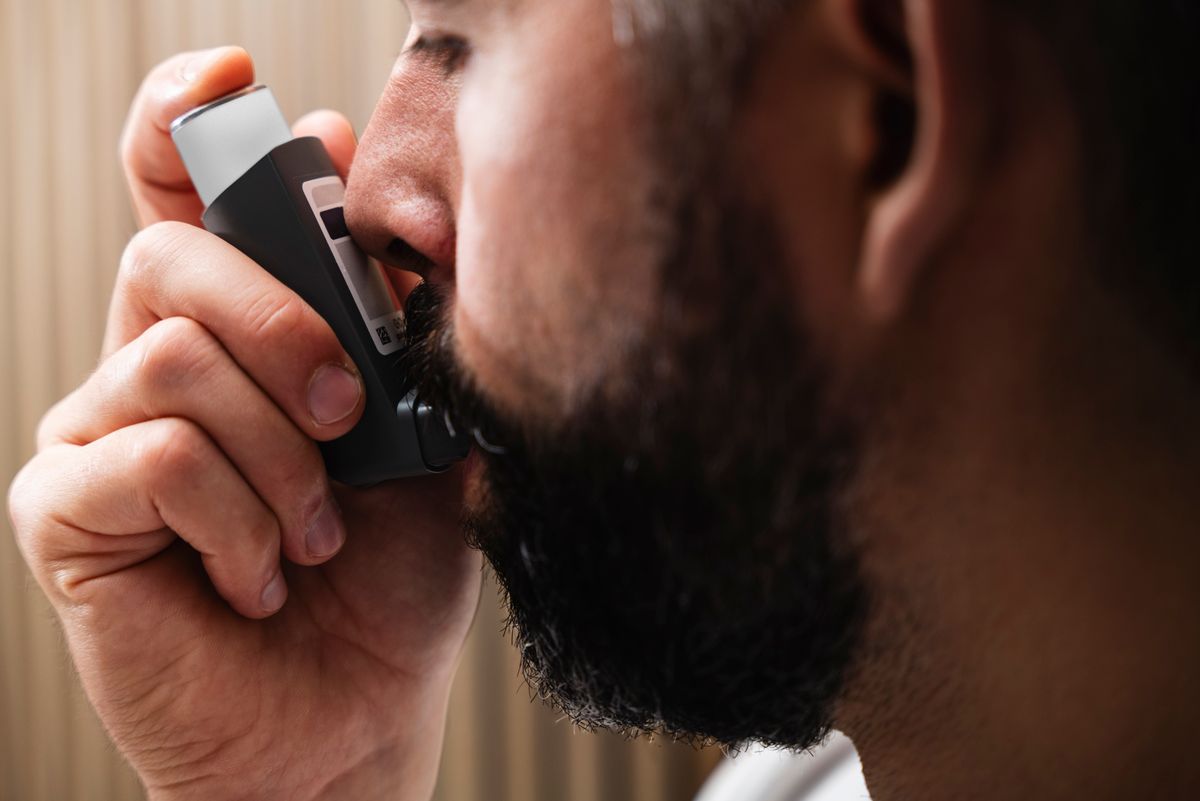
In asthma, ongoing airway inflammation causes:
- Excess mucus production
- Thickening of airway muscles
- Increased sensitivity to triggers like allergens, cold air, respiratory viruses, exercise, smoke, and air pollution
National guidelines (NAEPP EPR-3) classify asthma by severity and how well it is controlled. This guides the step-by-step treatment approach.
Asthma flare-ups — episodes where breathing suddenly gets worse — range from mild to severe:
- Mild: Slight increase in symptoms with small changes in peak flow readings
- Moderate: Noticeable shortness of breath, reduced activity, and peak flow at 40–69% of your best
- Severe: A medical emergency with major breathing difficulty and possible low oxygen levels
Telehealth works well for mild-to-moderate flare-ups. You should be a known asthma patient, able to speak in full sentences, and not showing signs of low oxygen. Severe flare-ups need immediate emergency care.
At Innocre Telehealth, our board-certified provider evaluates asthma patients in Delaware, Maryland, and Washington. During your visit, your provider will review:
- What triggered your flare-up
- Your current medications and how often you use your rescue inhaler
- How severe your symptoms are, plus home peak flow readings if available
Based on this, your provider may adjust your therapy, prescribe rescue medications, start a short course of oral steroids, or update your asthma action plan. Patients with poorly controlled or severe asthma are referred to a lung or allergy specialist for further testing and possible advanced treatments.
Common Symptoms
Wheezing
High-pitched whistling sound during exhalation due to airway narrowing
Shortness of breath (dyspnea)
Exertional initially; at rest in more severe episodes
Chest tightness
A feeling of constriction or squeezing in the chest
Chronic or nocturnal cough
Often worse at night or early morning; can be the only symptom
Increased rescue inhaler use
Needing albuterol more than twice per week suggests poor control
Decreased exercise tolerance
Avoiding activities due to breathing difficulties
Drop in peak expiratory flow (PEF)
Below 80% of personal best indicates worsening control
Worsening symptoms at night or with triggers
Allergens, cold air, exercise, smoke, or viral URI exposure
How Innocre Treats Asthma Online
For mild-to-moderate flare-ups, the first step is a quick-relief rescue inhaler. Albuterol (ProAir, Ventolin) — 2 puffs every 4 to 6 hours using a spacer — is the standard rescue treatment. Your provider can prescribe albuterol inhalers and spacers for patients in Delaware, Maryland, and Washington. Levalbuterol (Xopenex) is an option if albuterol causes a fast heartbeat or other side effects.
For moderate flare-ups, a short course of oral steroids (prednisone, 40–60 mg/day for 5 days) can shorten the episode and lower the risk of it coming back. Your provider prescribes these when needed.
Optimizing daily controller therapy is a key focus at Innocre Telehealth. Depending on your current step, your provider may recommend:
- Low-dose inhaled steroids (fluticasone/Flovent, budesonide/Pulmicort) for patients with frequent symptoms
- Combination inhalers (Advair, Symbicort, Breo Ellipta) that pair a steroid with a long-acting bronchodilator for better control
Your provider also checks your inhaler technique — a commonly overlooked issue — and reminds you to rinse your mouth after using steroid inhalers to prevent oral yeast infections.
A written asthma action plan helps you manage your asthma day to day. Your provider creates or updates this plan during your visit. It uses a simple color-coded system:
- Green zone: Asthma is well-controlled — continue daily medications
- Yellow zone: Symptoms are worsening — take specific steps to get back on track
- Red zone: This is an emergency — follow your emergency plan and seek care immediately
If you use your rescue inhaler more than twice a week, need oral steroids more than twice a year, or wake up with symptoms more than twice a month, your asthma may need stronger treatment. Your provider may refer you to a lung or allergy specialist for breathing tests and advanced options.
⚠️ When to Go to the Emergency Room
Telehealth is appropriate for mild-to-moderate asthma flare-ups. Seek emergency care immediately if you experience:
- • Severe shortness of breath that is not responding to 2–4 puffs of albuterol within 20 minutes
- • Inability to speak in full sentences, or having to pause mid-sentence to breathe
- • Oxygen saturation (SpO2) below 92% on a home pulse oximeter, or any reading below 90%
- • Use of accessory muscles (neck muscles, intercostal or subcostal retractions) or paradoxical abdominal movement with breathing
- • Bluish discoloration of lips or fingertips (cyanosis), altered mental status, or extreme agitation — signs of severe hypoxia