Medically reviewed by Atul S. Vellappally, DNP, CRNP, FNP-BC — Updated June 1, 2026
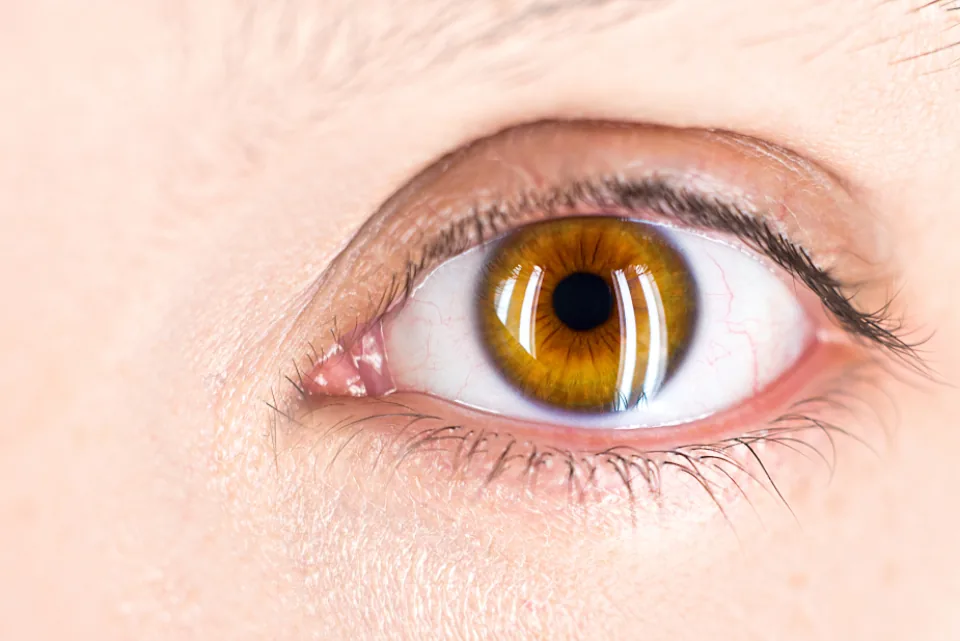
Dry eye affects an estimated 16 million Americans, and the actual number is likely far higher since many people dismiss their symptoms as normal discomfort. If you have ever experienced gritty, burning, or irritated eyes, especially after long hours at a screen or in dry environments, you are not alone. The good news is that dry eye is highly treatable, and most people find significant relief through a combination of simple home strategies and, when needed, prescription therapies.
In this guide, we cover every level of dry eye treatment, from the artificial tears you can pick up today to prescription medications and in-office procedures your provider may recommend. Whether your symptoms are mild or persistent, understanding your options is the first step toward comfortable, healthy eyes.
Understanding Dry Eye: Why Your Tears Matter
Your tear film is a complex, three-layered structure that protects and lubricates the surface of your eye with every blink. The outer oily layer, produced by the meibomian glands in your eyelids, prevents tears from evaporating too quickly. The middle watery layer, produced by the lacrimal glands, provides moisture and nutrients. The inner mucin layer helps tears spread evenly across the cornea.
Dry eye syndrome occurs when any part of this system is disrupted. You may produce too few tears (aqueous-deficient dry eye), or your tears may evaporate too rapidly because the oily layer is compromised (evaporative dry eye). Evaporative dry eye accounts for approximately 85 percent of cases and is most commonly caused by meibomian gland dysfunction.
Common symptoms include a stinging or burning sensation, a feeling of grittiness or sand in the eye, intermittent blurred vision, light sensitivity, eye redness, and paradoxically, episodes of excessive tearing as your eyes try to compensate for chronic dryness.
Over-the-Counter Treatments: Artificial Tears
Preserved vs. Preservative-Free Drops
Artificial tears are the cornerstone of dry eye treatment and the recommended starting point for most people. They supplement your natural tear film and provide immediate moisture to the ocular surface. However, not all eye drops are created equal, and choosing the right formulation matters.
Preserved artificial tears contain chemicals such as benzalkonium chloride (BAK) that prevent bacterial growth in the bottle after opening. They are cost-effective and convenient, making them a reasonable choice if you use drops fewer than four times per day. However, preservatives can irritate the eye surface with frequent use, particularly in people with moderate to severe dry eye.
Preservative-free artificial tears come in single-use vials and are the preferred option if you need drops more than four times daily, have sensitive eyes, or wear contact lenses. Popular preservative-free options include Refresh Optive Mega-3, Systane Ultra preservative-free, and TheraTears. While they cost more, they eliminate the risk of preservative-related irritation.
When selecting artificial tears, consider the consistency as well. Thinner drops provide quick relief but require more frequent application, while thicker gel-based drops and ointments last longer but may temporarily blur vision. Many people use thinner drops during the day and a lubricating gel or ointment at bedtime.
Important Note on Redness-Reducing Drops
Avoid using redness-reducing eye drops such as Visine or Clear Eyes as a treatment for dry eye. These contain vasoconstrictors that shrink blood vessels to reduce the appearance of redness but do nothing to address the underlying dryness. With regular use, they can cause rebound redness and actually worsen your symptoms over time.
Warm Compresses and Lid Hygiene
Because evaporative dry eye linked to meibomian gland dysfunction is so common, warm compresses are one of the most effective home treatments available. The warmth melts hardened oils that may be clogging the meibomian glands in your eyelids, allowing them to release a healthier oily layer over your tear film. The same warm-compress technique is the first-line approach for a stye, since both conditions stem from blocked eyelid glands.
How to perform a warm compress:
- Soak a clean washcloth in comfortably warm water (not hot enough to burn), or use a microwaveable eye mask designed for this purpose.
- Close your eyes and apply the compress for 10 to 15 minutes.
- Gently massage your upper and lower eyelids in a rolling motion toward the lash line to express the softened oils.
- Repeat once or twice daily for best results.
Lid hygiene complements warm compresses by keeping the eyelid margins clean and free of debris. You can use commercially available lid scrub pads or make your own solution with a few drops of baby shampoo in warm water. Gently scrub along the base of your lashes using a cotton swab or clean fingertip. This practice helps reduce bacterial buildup and inflammation that contributes to gland blockage.
Omega-3 Fatty Acids for Tear Quality
Omega-3 fatty acids, particularly EPA and DHA found in fatty fish, have anti-inflammatory properties that may improve the quality of your tear film. Research suggests that omega-3 supplementation can support the oily layer of your tears, reducing evaporation and decreasing ocular surface inflammation.
You can increase your omega-3 intake through dietary sources or supplements:
- Dietary sources: Salmon, sardines, mackerel, herring, anchovies, flaxseed, chia seeds, and walnuts
- Supplements: Fish oil capsules providing 1,000 to 2,000 mg of combined EPA and DHA per day are commonly recommended, though you should discuss the appropriate dosage with your provider
While the 2018 DREAM study (Dry Eye Assessment and Management) found that omega-3 supplements were not significantly more effective than placebo for moderate-to-severe dry eye, many eye care specialists continue to recommend them as part of a comprehensive treatment plan, especially for mild cases. The anti-inflammatory benefits of omega-3s extend beyond eye health and support overall cardiovascular wellness.
Environmental Changes and Lifestyle Adjustments
Humidifiers and Indoor Air Quality
Dry indoor air, especially from forced-air heating and air conditioning, accelerates tear evaporation. Using a humidifier in your bedroom and workspace can meaningfully reduce dry eye symptoms. Aim for indoor humidity levels between 40 and 60 percent. Desktop humidifiers placed near your workstation provide targeted relief during long computer sessions.
The 20-20-20 Rule for Screen Use
Digital device use is a major contributor to dry eye because people blink significantly less often while staring at screens. Normal blink rate is roughly 15 to 20 times per minute, but during screen use, it drops to as few as 5 to 7 times per minute. Reduced blinking means your tears evaporate faster and your meibomian glands are not properly stimulated.
Follow the 20-20-20 rule: every 20 minutes, look at something 20 feet away for at least 20 seconds. This gives your eyes a break and encourages normal blinking. You can also make a conscious effort to blink fully and frequently while using screens. Position your monitor slightly below eye level so your eyelids cover more of the eye surface, naturally reducing tear evaporation.
Additional Environmental Tips
- Wear wraparound sunglasses or moisture chamber glasses outdoors to shield your eyes from wind and dry air
- Avoid direct airflow from fans, vents, or car heaters blowing toward your face
- Stay well hydrated by drinking adequate water throughout the day
- If you smoke, consider quitting, as cigarette smoke is a significant irritant to the ocular surface
Prescription Treatments for Chronic Dry Eye
When over-the-counter measures and lifestyle changes are not providing adequate relief, prescription medications can address the underlying inflammation that drives chronic dry eye disease. These medications work differently from artificial tears because they target the root cause rather than simply supplementing moisture.
Cyclosporine Ophthalmic (Restasis, Cequa)
Cyclosporine is an immunomodulator that reduces inflammation on the ocular surface and helps your eyes produce more natural tears. It is typically prescribed as a twice-daily drop. The most important thing to understand about cyclosporine is that it takes time to work. Most patients begin noticing improvement between four and twelve weeks, with maximum benefits developing over several months of consistent use.
Mild burning or stinging upon instillation is a common side effect that usually decreases over time. Your provider may suggest using artificial tears a few minutes before applying cyclosporine to reduce initial discomfort. Cequa is a newer nanomicellar formulation of cyclosporine that may deliver the medication more effectively to the eye surface.
Lifitegrast Ophthalmic (Xiidra)
Lifitegrast is a lymphocyte function-associated antigen-1 (LFA-1) antagonist that blocks a specific inflammatory pathway involved in dry eye disease. Like cyclosporine, it is used as a twice-daily drop. Some patients notice symptom improvement within as little as two weeks, though full effects may take six to twelve weeks.
The most commonly reported side effects include a temporary altered taste sensation (dysgeusia) and mild eye irritation following instillation. Both typically diminish with continued use.
Varenicline Nasal Spray (Tyrvaya)
A newer option, varenicline nasal spray works through a different mechanism by activating the trigeminal nerve to stimulate natural tear production. It is delivered as a nasal spray rather than an eye drop, which some patients prefer. It can increase both the watery and oily components of your tear film.
Punctal Plugs and In-Office Procedures
For patients who do not achieve adequate relief from drops and medications, additional interventions may be considered. Punctal plugs are tiny silicone or collagen inserts placed in the tear drainage ducts (puncta) at the inner corners of your eyelids. By partially blocking tear drainage, they help your natural tears and artificial tears stay on the eye surface longer.
Collagen plugs dissolve on their own within a few months and are often used as a trial to see if the approach helps before placing longer-lasting silicone plugs. The insertion is a quick, painless in-office procedure that does not require anesthesia beyond a numbing eye drop.
Other in-office treatments include thermal pulsation therapy (such as LipiFlow), which applies controlled heat and gentle pressure to clear blocked meibomian glands, and intense pulsed light (IPL) therapy, which targets inflammation and abnormal blood vessels along the eyelid margin.
When to See a Provider vs. an Ophthalmologist
Many cases of dry eye can be effectively managed by a primary care or family practice provider, particularly through telehealth. A telehealth visit is a practical first step if you have mild to moderate symptoms that have not responded to basic over-the-counter treatments after two weeks, if you suspect your dry eye is related to a medication you take, or if you need a prescription for cyclosporine or lifitegrast.
You should consider seeing an ophthalmologist or dry eye specialist if you experience severe or worsening symptoms despite prescription treatment, if you have significant eye pain or vision changes, if you have an autoimmune condition (such as Sjogren's syndrome, rheumatoid arthritis, or lupus) associated with chronic dry eye, or if your provider suspects meibomian gland disease that may benefit from in-office procedures like thermal pulsation therapy.
Your primary care provider and ophthalmologist can work together as a team to manage your dry eye effectively.
Frequently Asked Questions
What is the best over-the-counter drop for dry eyes?
Preservative-free artificial tears are generally considered the best over-the-counter option for dry eyes, especially if you need to use drops more than four times per day. Popular preservative-free brands include Refresh Optive, Systane Ultra, and TheraTears. If you use drops less frequently, preserved formulations are also effective and more affordable.
Can dry eyes be treated through telehealth?
Yes, many cases of dry eye can be effectively evaluated and treated through a telehealth visit. A provider can review your symptoms, recommend over-the-counter treatments, prescribe medications like cyclosporine or lifitegrast, and determine whether you need an in-person eye exam. InnoCre Health offers telehealth visits for dry eye in Pennsylvania, Maryland, Washington, and Delaware.
How long does it take for dry eye treatments to work?
Over-the-counter artificial tears provide immediate but temporary relief. Warm compresses and lid hygiene may show improvement within one to two weeks of consistent use. Prescription treatments like cyclosporine (Restasis) and lifitegrast (Xiidra) typically take four to twelve weeks to reach full effectiveness, as they work by reducing underlying inflammation.
Do omega-3 supplements actually help dry eyes?
Research suggests that omega-3 fatty acids can help improve dry eye symptoms by supporting the oil layer of the tear film and reducing ocular surface inflammation. The American Academy of Ophthalmology notes that omega-3 supplementation may benefit some patients, though results vary. Dietary sources include fatty fish like salmon, sardines, and mackerel, as well as flaxseed and walnuts.
When should I see a doctor for dry eyes instead of treating them at home?
You should see a provider if your dry eye symptoms persist for more than two weeks despite home treatment, if you experience significant eye pain or sensitivity to light, if your vision becomes blurred, or if you notice redness that does not improve. You should also seek care if you have an autoimmune condition such as Sjogren's syndrome or rheumatoid arthritis, as these can cause chronic dry eye requiring prescription management.
Why do my eyes feel dry but also water a lot?
Reflex tearing is a common feature of dry eye disease. When the eye surface dries out, it triggers a flood of low-quality reflex tears that do not coat the eye properly, so the surface still feels dry between bursts of watering. Treating the underlying dryness usually reduces the excess tearing.
Can screen time and contact lenses make dry eye worse?
Yes. Prolonged screen use reduces blink rate by up to 60 percent and is a major modern cause of dry eye. Contact lenses can also disrupt the tear film and contribute to symptoms. Following the 20-20-20 rule, taking lens breaks, and using preservative-free drops compatible with contacts can help.
What is the difference between Restasis and Xiidra?
Restasis (cyclosporine) and Xiidra (lifitegrast) are both prescription eye drops that reduce inflammation in chronic dry eye. Restasis typically takes 3 to 6 months for full effect, while Xiidra may work somewhat faster, often within 6 to 12 weeks. Side effects differ slightly, and a provider can help determine which is more appropriate based on your symptoms and history.
Are dry eyes a sign of an autoimmune condition?
Persistent dry eye can sometimes be associated with autoimmune conditions like Sjogren's syndrome, lupus, or rheumatoid arthritis, especially when combined with dry mouth or joint symptoms. A telehealth provider can review your overall symptom pattern and recommend bloodwork or a referral to rheumatology when appropriate.
Can adolescents get dry eye too?
Yes. Dry eye is increasingly common in adolescents 12 and older due to heavy screen use, contact lens wear, and seasonal allergies. InnoCre can evaluate adolescents in this age range, review screen and contact habits, and recommend safe over-the-counter or prescription options. Younger children should be seen in person.
How does an InnoCre telehealth visit work?
After you book, you complete a short intake form, then connect with a board-certified provider by video on the same day in most cases. The provider reviews your symptoms and history, orders lab work at a local lab if needed, and sends any prescription to the pharmacy of your choice. A new-patient visit is a flat $68 with no insurance required.
Ready to see a provider?
Book a same-day telehealth visit with a board-certified provider from home.
Book a Visit →Same-day visits · HSA/FSA accepted · Licensed in PA, MD, WA & DE
Atul S. Vellappally, DNP, CRNP, FNP-BC
Founder, InnoCre Telehealth. Board-certified Family Nurse Practitioner with doctoral-level training in evidence-based and precision medicine. Licensed in Pennsylvania, Maryland, Washington, and Delaware.
This article is for informational purposes only and does not constitute medical advice. If you are experiencing a medical emergency, call 911.
Sources
- American Academy of Ophthalmology. "Dry Eye." aao.org/eye-health/diseases/dry-eye
- National Eye Institute (NEI/NIH). "Dry Eye." nei.nih.gov/learn-about-eye-health/eye-conditions-and-diseases/dry-eye
- Mayo Clinic. "Dry Eyes — Diagnosis and Treatment." mayoclinic.org/diseases-conditions/dry-eyes/diagnosis-treatment
- Asbell PA, Maguire MG, et al. "n-3 Fatty Acid Supplementation for the Treatment of Dry Eye Disease." New England Journal of Medicine. 2018;378(18):1681-1690. doi:10.1056/NEJMoa1709691
- American Academy of Ophthalmology. "What Is Meibomian Gland Dysfunction?" aao.org/eye-health/diseases/meibomian-gland-dysfunction
Related Services
Related Articles