Why hives appear, common triggers, home treatment, and when hives signal a serious allergic reaction.
Need Care Today?
Get a same-day telehealth visit with a board-certified provider.
Licensed in MD, WA & DE
Book a Visit →What Are Hives
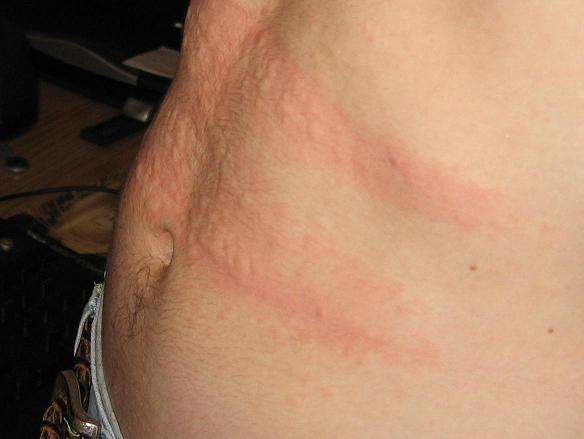
Hives, known medically as urticaria, are raised, itchy welts that appear on the skin when your body releases histamine and other chemicals into the bloodstream. The welts can range in size from a small pencil eraser to a large dinner plate and may join together to form larger areas called plaques. Hives are extremely common, affecting roughly 20 percent of people at some point in their lives.
Each individual hive typically lasts less than 24 hours before fading, but new welts can continue to appear as older ones resolve. The welts are usually red or skin-colored, blanch (turn white) when pressed, and can appear anywhere on the body. While hives are uncomfortable and sometimes alarming, most cases are harmless and resolve on their own or with over-the-counter treatment.
If you are experiencing hives and need guidance on treatment, online hives treatment through InnoCre Telehealth can connect you with a board-certified provider for evaluation and a personalized care plan.
Common Causes and Triggers
Hives occur when certain cells in the skin (mast cells) release histamine in response to a trigger. The most common triggers include:
- Foods: Nuts, shellfish, eggs, milk, soy, and wheat are frequent culprits. Reactions typically appear within minutes to two hours of eating.
- Medications: Antibiotics (especially penicillin), aspirin, ibuprofen, and blood pressure medications can trigger hives in sensitive individuals.
- Insect stings: Bee, wasp, and hornet stings are well-known causes of acute hives and can sometimes lead to more serious allergic reactions.
- Infections: Viral infections, including the common cold and upper respiratory infections, are one of the most frequent causes of hives in children.
- Environmental factors: Pollen, pet dander, mold, and latex exposure can all provoke hives in allergic individuals.
Physical triggers are also common and include cold temperatures, heat, sunlight, pressure on the skin, exercise, and emotional stress. In many cases of acute hives, the specific trigger is never identified, which is called idiopathic urticaria. If you suspect your hives are allergy-related, an allergy evaluation can help identify your triggers.
Acute vs Chronic Hives
Hives are classified based on how long they persist. Acute hives last less than six weeks and are by far the most common type. They are usually triggered by an identifiable cause such as a food, medication, or infection, and often resolve within days to a few weeks. Most people who experience hives will have an acute episode that does not recur.
Chronic hives, also called chronic urticaria, are defined as hives that persist for six weeks or longer. Chronic hives affect approximately 1 to 2 percent of the population and can be frustrating because a specific trigger is identified in fewer than 20 percent of cases. In many patients, chronic hives are caused by an autoimmune process in which the body's own immune system activates mast cells without an external allergen.
Chronic hives tend to wax and wane over months to years, with episodes of flaring and remission. While they are not dangerous, they can significantly affect quality of life and sleep. The good news is that most cases of chronic hives eventually resolve on their own, and effective treatment options are available to control symptoms in the meantime.
Home Treatment
Most mild cases of hives can be managed at home with a combination of over-the-counter medications and comfort measures. The following steps can help relieve itching and reduce the duration of a flare:
- Second-generation antihistamines: Cetirizine (Zyrtec), loratadine (Claritin), or fexofenadine (Allegra) are the first-line treatment. They are non-drowsy and can be taken daily during a flare.
- Cool compresses: Applying a cool, damp cloth to affected areas can soothe itching and reduce swelling.
- Avoid known triggers: If you can identify what caused the hives, eliminating the trigger is the most effective step.
- Wear loose clothing: Tight clothing and friction can worsen hives, particularly in pressure-sensitive urticaria.
- Avoid heat and hot water: Hot showers, baths, and direct sun exposure can aggravate hives. Use lukewarm water instead.
If over-the-counter antihistamines are not providing adequate relief, a provider may recommend increasing the dose (up to four times the standard dose for some second-generation antihistamines) or adding a short course of oral corticosteroids for severe flares. Avoid first-generation antihistamines like diphenhydramine (Benadryl) as a long-term solution because they cause significant drowsiness and impair cognitive function.
When Hives Are an Emergency
While most hives are uncomfortable but not dangerous, they can occasionally be a sign of anaphylaxis, a life-threatening allergic reaction that requires immediate emergency care. Call 911 or go to the nearest emergency room if hives are accompanied by any of the following symptoms:
- Difficulty breathing or wheezing
- Swelling of the lips, tongue, or throat (angioedema)
- Dizziness, lightheadedness, or fainting
- Rapid or weak pulse
- Nausea, vomiting, or abdominal cramping along with skin symptoms
- A sense of impending doom or severe anxiety with the above symptoms
Anaphylaxis progresses quickly and can become fatal within minutes if untreated. If you carry an epinephrine auto-injector (EpiPen), use it immediately and still call 911, as symptoms can return after the epinephrine wears off. Even if symptoms seem to improve, emergency evaluation is essential after any suspected anaphylactic reaction.
Treatment Options
Treatment for hives depends on the severity and whether the condition is acute or chronic. For most patients, a stepwise approach is used:
- Step 1 -- Standard-dose antihistamines: A daily second-generation antihistamine such as cetirizine, loratadine, or fexofenadine is the starting point for virtually all hives treatment.
- Step 2 -- Increased antihistamine dosing: If standard doses are insufficient, your provider may increase the antihistamine to two to four times the usual dose. This is safe and supported by clinical guidelines.
- Step 3 -- Add-on therapies: Montelukast (a leukotriene receptor antagonist) or H2 blockers like famotidine may be added for additional relief. Note: Montelukast carries an FDA boxed warning regarding potential neuropsychiatric side effects; discuss risks and benefits with your provider.
- Step 4 -- Short-course corticosteroids: For severe acute flares, a brief course of oral prednisone (typically 3 to 7 days) can rapidly reduce inflammation. Long-term steroid use is avoided due to side effects.
- Step 5 -- Specialist referral: For chronic hives that do not respond to the above, omalizumab (Xolair) injections or cyclosporine may be considered under the care of an allergist or dermatologist.
Identifying and avoiding triggers remains the cornerstone of long-term management. A provider can help you develop a personalized action plan based on your symptom patterns, medical history, and response to initial therapy. If you are also dealing with a related skin rash, a telehealth evaluation can address both concerns in one visit.
Getting Hives Treatment Online
Hives are one of the most telehealth-friendly conditions in dermatology. Because the diagnosis is primarily visual and based on your description of symptoms, a provider can evaluate your hives effectively through a video visit. During your online hives consultation, your provider will review your symptom history, assess photos or live video of the affected skin, and determine whether your hives are likely allergic, physical, or idiopathic in nature.
Based on the evaluation, your provider can prescribe antihistamines at the appropriate dose, order a short course of corticosteroids if needed, and recommend follow-up if your hives become chronic. If an underlying allergy is suspected, your provider may also recommend allergy testing to identify specific triggers.
At InnoCre Telehealth, same-day appointments are available for patients in Maryland, Washington, and Delaware. There is no need to wait days for an in-person visit when your skin is itching now. Book a visit to get started with a board-certified provider today.
Frequently Asked Questions
What causes hives to suddenly appear?
Hives can be triggered by allergic reactions to food, medications, or insect stings, as well as by stress, infections, temperature changes, and exercise. In many cases, the exact trigger is never identified.
When should I worry about hives?
Seek emergency care if hives are accompanied by difficulty breathing, facial or throat swelling, dizziness, or rapid heartbeat. These are signs of anaphylaxis.
How long do hives last?
Individual hives typically last less than 24 hours, but new ones can continue appearing for days or weeks. Acute hives last less than 6 weeks. Chronic hives persist beyond 6 weeks.
Can stress cause hives?
Yes. Stress can trigger hives by causing the release of histamine and other chemicals that cause skin inflammation. Stress-related hives are treated the same way as other hives.
Get the Care You Need Today
A board-certified provider can evaluate your symptoms and recommend treatment. Same-day visits available for patients in Maryland, Washington, and Delaware.
Book a Visit →Visits start at $68 · Insurance accepted · MD, WA & DE
Atul S. Vellappally, DNP, CRNP, FNP-BC
Founder, InnoCre Telehealth. Board-certified Family Nurse Practitioner with doctoral-level training in evidence-based and precision medicine. Licensed in Maryland, Washington, and Delaware.
This article is for informational purposes only and does not constitute medical advice. If you are experiencing a medical emergency, call 911.
Related Services