Identify common bug bites from mosquitoes, spiders, ticks, fleas, and more. Learn what each bite looks like and when to see a doctor.

Need Care Today?
Get a same-day telehealth visit with a board-certified provider.
Licensed in MD, WA & DE
Book a Visit →Mosquito Bites

Mosquitoes inject saliva containing proteins that trigger the characteristic itchy bump.
Mosquito bites are among the most common insect bites during the warmer months. They appear as small, round, puffy bumps that develop within minutes of being bitten. The bump is usually pink or reddish and intensely itchy due to your immune system reacting to proteins in the mosquito's saliva. Mosquitoes tend to bite exposed skin, especially around the ankles, arms, and neck.
Key identifying features of mosquito bites include:
- Single raised, round bumps that appear randomly (not in a pattern)
- Itching that begins almost immediately and peaks within a few hours
- A small puncture point at the center of the bump
- Bumps that flatten and fade within 2 to 4 days
Most mosquito bites resolve on their own with cold compresses and over-the-counter antihistamine cream. In rare cases, some people develop a condition called skeeter syndrome, which causes large areas of swelling, low-grade fever, and significant redness around the bite. If you experience an unusually severe reaction to mosquito bites, a provider can prescribe stronger antihistamines or topical steroids through an urgent care telehealth visit.
Spider Bites
Most spider bites are harmless, but brown recluse and black widow bites require medical attention.
Most spider bites in the United States are harmless and cause only mild redness and swelling similar to other insect bites. However, bites from brown recluse and black widow spiders can cause more serious symptoms and require medical attention. Spider bites often occur when a spider is accidentally pressed against the skin, such as when putting on clothing or shoes that have been stored in a dark area.
Here is how to distinguish common spider bites:
- Common house spiders: A small red bump, mild pain, and slight swelling that resolves within a few days
- Brown recluse: A bite that may not hurt initially but develops into a red or purple area with a central blister over 2 to 8 hours, sometimes progressing to a dark, necrotic ulcer. You may also experience fever, chills, and body aches.
- Black widow: Immediate sharp pain followed by muscle cramping, abdominal pain, sweating, and nausea. The bite site may show two small fang marks with surrounding redness.
If you suspect a brown recluse or black widow bite, seek medical care promptly. For less serious spider bites that show signs of spreading redness or infection, a telehealth provider can assess the bite through photos and video and prescribe treatment if needed. Visit our rash treatment service for evaluation of concerning skin reactions.
Tick Bites

Ticks attach painlessly and can transmit Lyme disease if not removed within 36 to 48 hours.
Tick bites deserve special attention because ticks can transmit serious diseases including Lyme disease, Rocky Mountain spotted fever, and ehrlichiosis. Unlike most insect bites, tick bites are usually painless, so you may not notice the tick until it has been feeding for hours or even days. Ticks prefer warm, moist areas of the body and are commonly found along the hairline, behind the ears, in the armpits, and around the groin.
What to look for with tick bites:
- An attached tick may appear as a small dark spot embedded in the skin
- After removal, a small red bump or mild redness at the bite site is normal and does not indicate Lyme disease
- A bullseye rash (expanding ring of redness with central clearing) developing 3 to 30 days after the bite is the hallmark sign of Lyme disease and requires treatment
- Fever, headache, fatigue, or joint pain developing within 1 to 3 weeks of a tick bite should be evaluated promptly
To remove a tick, use fine-tipped tweezers to grasp it as close to the skin surface as possible and pull upward with steady, even pressure. Clean the bite area with rubbing alcohol or soap and water. Save the tick in a sealed bag if possible, as identifying the species can help your provider assess your risk for tick-borne illness. A telehealth visit through our urgent care service can evaluate the bite, determine whether preventive antibiotics are appropriate, and order any necessary lab work.
Flea Bites

Fleas commonly enter homes through pets and bite in clusters around the ankles and lower legs.
Flea bites are small, hard, red bumps that are extremely itchy. They most commonly appear on the lower legs, ankles, and feet, since fleas tend to live in carpets, pet bedding, and grassy areas close to the ground. Flea bites have a distinctive appearance that sets them apart from other insect bites.
Key characteristics of flea bites include:
- Small red bumps, often with a red halo around the center
- Bites that appear in clusters of three or four, sometimes in a straight line (often called "breakfast, lunch, and dinner")
- Intense itching that may be worse than mosquito bites
- Location almost always on the lower legs and ankles
Resist the urge to scratch flea bites, as broken skin can lead to secondary bacterial infection. Wash the bites with soap and water, apply an over-the-counter hydrocortisone cream or calamine lotion, and take an oral antihistamine if itching is severe. If bites become infected or you develop a widespread hive-like reaction, a telehealth provider can evaluate you and prescribe treatment the same day.
Bed Bug Bites

Bed bugs feed at night and leave bites in straight lines or zigzag clusters.
Bed bug bites appear as small, flat or slightly raised red welts that are often grouped in lines or zigzag patterns on skin that was exposed during sleep. Common locations include the face, neck, arms, and hands. Bed bugs feed at night, and because they inject an anesthetic while biting, you typically will not feel the bite when it happens. The itching and visible marks usually appear several hours to days later.
How to identify bed bug bites:
- Red welts arranged in a line or cluster, sometimes described as a row of three
- Bites that appear on areas of skin exposed during sleep
- Itching that may worsen over several days
- No visible bite mark or puncture point at the center (unlike mosquito bites)
- New bites appearing each morning if the infestation is active
Bed bug bites are not known to transmit diseases, but the intense itching can lead to excessive scratching and secondary skin infections. Treatment includes washing affected areas with soap and water, applying anti-itch cream, and taking oral antihistamines. If you develop signs of infection or a widespread rash, our online rash treatment service can provide a clinical evaluation and prescribe appropriate medications.
Fire Ant Bites
Fire ant stings cause immediate burning pain followed by small pustules within 24 hours.
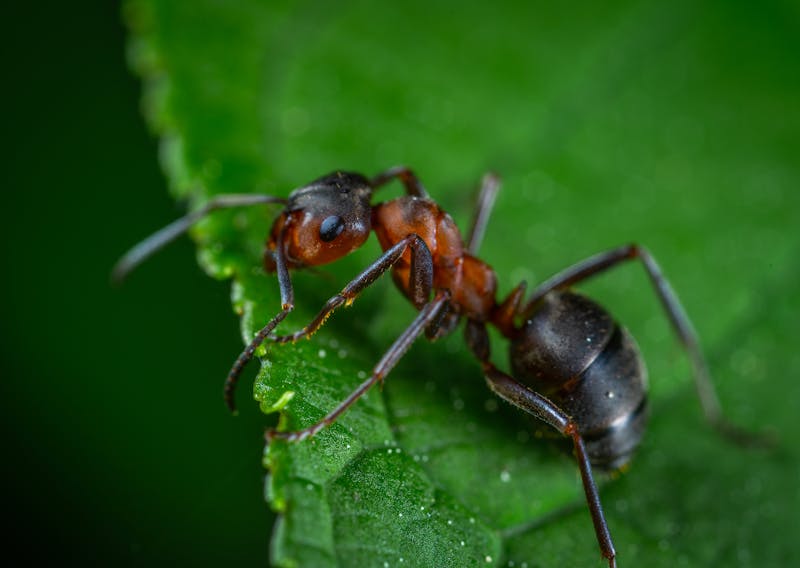
Fire ant stings (technically both bites and stings) produce an immediate burning pain, which is how these ants got their name. Fire ants grip the skin with their jaws and then sting with a rear stinger, often rotating to deliver multiple stings in a circular pattern. Because fire ants swarm aggressively when their mound is disturbed, people typically receive many stings at once.
The progression of a fire ant sting follows a predictable pattern:
- Immediately: Intense burning pain with a small red welt at each sting site
- Within 1 to 2 hours: Small fluid-filled blisters begin to form at sting sites
- Within 8 to 24 hours: Blisters become white, pus-filled pustules (this is a normal reaction, not an infection)
- Over 3 to 7 days: Pustules gradually flatten, dry, and crust over
Do not pop or squeeze the pustules, as this increases the risk of infection and scarring. Wash the area gently, apply cold compresses, and use over-the-counter hydrocortisone cream to reduce itching. Like bee stings, fire ant stings can occasionally cause anaphylaxis, so watch for signs of a systemic allergic reaction such as widespread hives, difficulty breathing, or dizziness. If your sting sites become increasingly red, painful, or swollen after the first 48 hours, this may indicate a secondary infection requiring medical evaluation.
Chigger Bites
Chigger bites are caused by the larval stage of a type of mite found in tall grass, weeds, and wooded areas. Unlike ticks, chiggers do not burrow into the skin or feed on blood. Instead, they attach to the skin, inject digestive enzymes that break down skin cells, and feed on the liquefied tissue. The resulting bites produce some of the most intense itching of any insect or mite bite.
Recognizing chigger bites:
- Bright red bumps or flat red patches, often with a tiny red dot at the center
- Bites clustered around areas where clothing is tight against the skin: waistband, sock line, underwear elastic, and bra line
- Severe itching that typically begins 1 to 3 hours after exposure and intensifies over the first day or two
- Itching that may persist for 1 to 2 weeks even after the chigger has fallen off
If you suspect chigger bites, take a hot shower and scrub the affected areas with soap to remove any remaining chiggers. Apply calamine lotion or hydrocortisone cream to reduce itching. Oral antihistamines such as diphenhydramine can also help, especially at night when itching tends to worsen. Avoid scratching to prevent secondary infection. If the itching is severe enough to interfere with sleep or daily activities, an urgent care telehealth visit can provide a prescription-strength anti-itch treatment.
When a Bug Bite Needs Medical Attention
Most bug bites are minor and heal on their own within a few days to a week. However, certain warning signs indicate that a bite needs professional medical evaluation. Knowing when to seek care can prevent a simple bite from becoming a serious complication.
Seek emergency care (call 911) if you experience:
- Difficulty breathing, swelling of the face or throat, or wheezing after any bite or sting
- Dizziness, confusion, or loss of consciousness
- A rapid or weak pulse, or a feeling of impending doom
Schedule a same-day visit with a provider if you notice:
- Signs of infection: Increasing redness, swelling, warmth, pus or drainage, red streaking from the bite, or fever
- Expanding rash: A bullseye rash or any rash that spreads beyond the immediate bite area
- Systemic symptoms: Fever, chills, headache, muscle aches, or joint pain developing days after a bite
- Worsening symptoms: Pain or swelling that gets worse instead of better after 48 hours
- Multiple bites with severe reaction: Widespread hives or significant swelling from many bites at once
Telehealth is well suited for evaluating bug bites because your provider can see the affected area through video and high-quality photos. This allows for accurate assessment without requiring a trip to a clinic. Through InnoCre's urgent care telehealth, a board-certified provider can diagnose your bite, prescribe antibiotics or antihistamines when needed, and determine whether in-person care or lab testing is necessary.
Frequently Asked Questions
How do I identify what bug bit me?
Look at the bite pattern, location, and symptoms. Mosquito bites are round and itchy. Spider bites may have two puncture marks. Tick bites leave a bullseye pattern if Lyme disease develops. Bed bug bites appear in lines or clusters.
When should I worry about a bug bite?
Seek medical attention if a bite shows signs of infection like increasing redness, warmth, or pus, if you develop a fever, or if a rash spreads beyond the bite area.
Can a telehealth provider evaluate a bug bite?
Yes. Photos and video allow a provider to assess the bite, determine if treatment is needed, and prescribe antibiotics or antihistamines when appropriate.
How do you treat a bug bite at home?
Clean the area with soap and water, apply ice to reduce swelling, use over-the-counter antihistamine cream for itching, and avoid scratching to prevent infection.
Get the Care You Need Today
A board-certified provider can evaluate your symptoms and recommend treatment. Same-day visits available for patients in Maryland, Washington, and Delaware.
Book a Visit →Visits start at $68 · Insurance accepted · MD, WA & DE
Atul S. Vellappally, DNP, CRNP, FNP-BC
Founder, InnoCre Telehealth. Board-certified Family Nurse Practitioner with doctoral-level training in evidence-based and precision medicine. Licensed in Maryland, Washington, and Delaware.
This article is for informational purposes only and does not constitute medical advice. If you are experiencing a medical emergency, call 911.
Related Services