Chlamydia Treatment
CDC-guideline treatment, lab ordering, and partner notification support — all from a private, HIPAA-compliant telehealth visit. No waiting room, no judgment.
Understanding Chlamydia trachomatis
Chlamydia, caused by the bacterium Chlamydia trachomatis, is the most commonly reported bacterial sexually transmitted infection in the United States, with approximately 4 million new cases each year according to CDC estimates. It is transmitted through vaginal, anal, or oral sexual contact, and can also be transmitted from a birthing parent to a newborn during delivery.
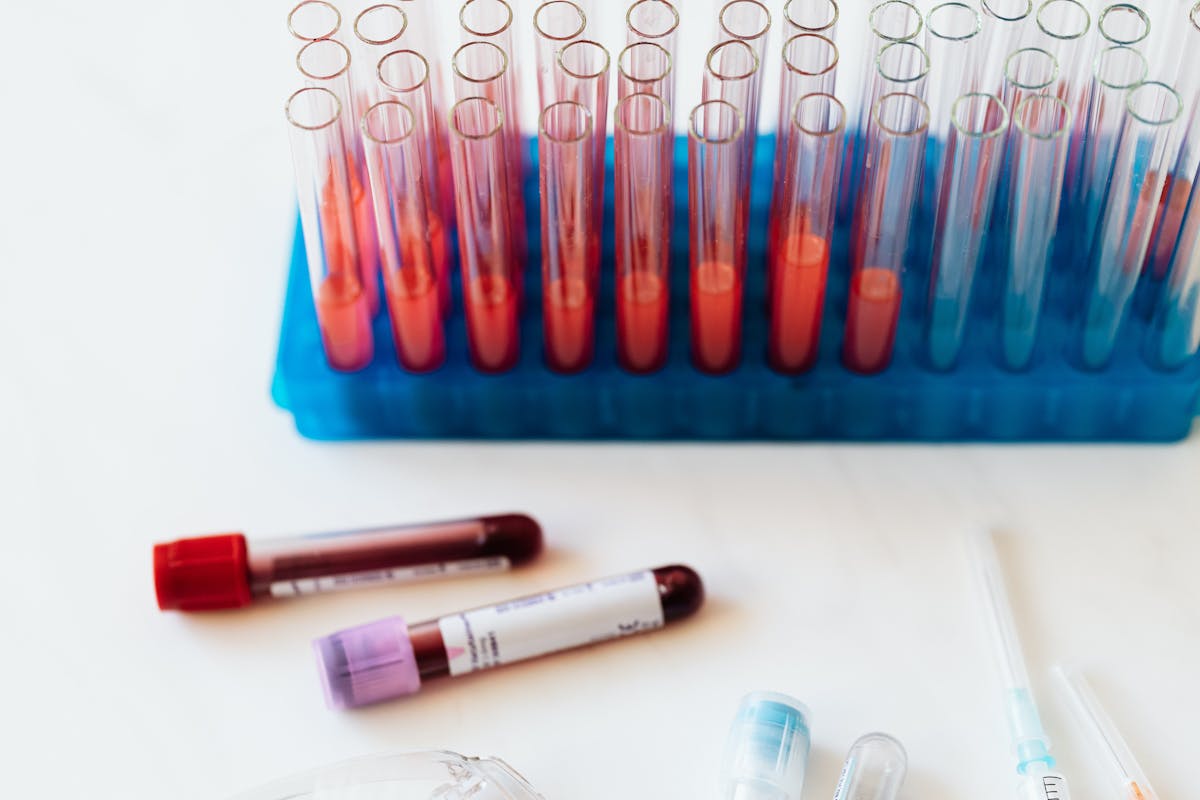
A defining feature of chlamydia is its frequent asymptomatic presentation: up to 70% of women and 50% of men with chlamydia experience no symptoms at all. This makes routine screening especially important, as untreated infection can silently cause significant reproductive harm. The CDC recommends annual chlamydia screening for all sexually active women under age 25, and for older women with new or multiple sexual partners.
Our board-certified provider provides clinically rigorous, non-judgmental chlamydia evaluation and treatment via telehealth. A diagnosis is made based on laboratory testing — treatment without confirmed testing is generally not recommended except in specific clinical scenarios such as partner notification.
Symptoms When They Occur
When chlamydia does cause symptoms, they typically appear 7–21 days after exposure. Presentations vary by anatomical site and sex:
Urogenital Symptoms
- • Abnormal vaginal or penile discharge
- • Burning or discomfort with urination
- • Testicular pain or swelling (epididymitis)
- • Pelvic or lower abdominal pain in women
- • Intermenstrual or post-coital bleeding
Rectal & Pharyngeal Chlamydia
- • Rectal chlamydia: rectal pain, discharge, or bleeding (often asymptomatic)
- • Pharyngeal chlamydia: usually asymptomatic; sore throat occasionally
- • Extra-genital testing requires specific rectal or throat swabs — important to disclose all practices during your visit
Untreated chlamydia in women can ascend to the upper reproductive tract, causing pelvic inflammatory disease (PID), which can lead to chronic pelvic pain, ectopic pregnancy, and infertility. In men, untreated infection can cause epididymitis and, rarely, fertility complications.
Testing: How Lab Ordering Works via Telehealth
Accurate diagnosis requires laboratory confirmation. Your provider will order a Nucleic Acid Amplification Test (NAAT) — the gold-standard diagnostic with the highest sensitivity and specificity. NAAT can be performed on:
First-catch urine specimen
Collected at home or a lab patient service center
Self-collected vaginal swab
FDA-cleared for self-collection; equivalent accuracy to clinician-collected
Rectal or pharyngeal swab
Indicated for extra-genital exposure; ordered per your reported practices
An electronic lab order will be sent to a convenient patient service center (Quest Diagnostics, LabCorp, or similar) near you. Results are typically available within 1–3 business days. Your provider will review results and prescribe treatment through your secure patient portal.
CDC-Recommended Treatment (2021 Guidelines)
Per the CDC 2021 Sexually Transmitted Infections Treatment Guidelines, first-line treatment for uncomplicated urogenital or rectal chlamydia is:
Doxycycline 100 mg
Twice daily (BID) for 7 days
Note: Take with food to reduce GI side effects. Avoid sun exposure. Not appropriate during pregnancy.
Azithromycin 1 g
Single oral dose
Used when doxycycline is contraindicated (e.g., pregnancy). Slightly lower efficacy for rectal chlamydia.
Why Doxycycline Is Now Preferred
The 2021 CDC guidelines updated the preferred regimen from azithromycin to doxycycline based on clinical trial data demonstrating higher microbiological cure rates, particularly for rectal chlamydia. Azithromycin remains an acceptable alternative for specific patient populations including pregnant individuals.
For pharyngeal chlamydia, doxycycline 100 mg BID x7 days is also recommended. Patients should abstain from sexual activity for 7 days after completing treatment and until all partners have been treated.
Partner Treatment & Test of Cure
All sexual partners from the 60 days prior to symptom onset or diagnosis should be evaluated, tested, and treated. This is critical to prevent reinfection — the most common cause of recurrent chlamydia. Your provider can provide guidance on partner notification and, in applicable states, expedited partner therapy (EPT).
Test of cure (retesting after treatment) is not routinely recommended for uncomplicated urogenital chlamydia in non-pregnant adults treated with doxycycline, as treatment success rates are very high. However, it is recommended for:
- Pregnant individuals — retest at 3–4 weeks post-treatment and again at 3 months
- Patients who received azithromycin for rectal infection
- Patients with persistent or recurrent symptoms
All patients treated for chlamydia should be retested 3 months after treatment due to high rates of reinfection, per CDC recommendations.
When to Seek Urgent or Emergency Care
Telehealth evaluation is appropriate for most chlamydia concerns. However, seek same-day urgent care or emergency evaluation immediately if you experience:
- • Fever with pelvic pain and/or cervical motion tenderness — may indicate pelvic inflammatory disease (PID), which requires urgent in-person evaluation and IV antibiotics if severe
- • Severe lower abdominal pain, particularly unilateral — rule out ectopic pregnancy or tubo-ovarian abscess
- • Acute scrotal pain and swelling — possible epididymo-orchitis requiring in-person examination
- • Signs of systemic illness: high fever, chills, rigors, rapid heart rate
PID is a clinical diagnosis requiring physical exam. If PID is suspected, please proceed to urgent care or the emergency department.
Chlamydia Treatment — Frequently Asked Questions
How does an InnoCre telehealth visit work?
After you book, you complete a short intake form, then connect with a board-certified provider by video on the same day in most cases. The provider reviews your symptoms and history, orders lab work at a local lab if needed, and sends any prescription to the pharmacy of your choice. A new-patient visit is a flat $68 with no insurance required.
You May Also Need
Related Articles
Get Discreet Care Today
Board-certified evaluation, lab ordering, and treatment from the privacy of home.
Book Your Visit Now →Serving DE · MD · WA | HIPAA-Compliant | Board-Certified