Herpes Treatment
Herpes is one of the most common viral infections in the world. Evidence-based antiviral therapy, ongoing management, and compassionate care — from a private telehealth visit.
A note before we begin: Herpes simplex virus is extraordinarily common. Approximately 1 in 6 Americans ages 14–49 has genital herpes (HSV-2), and oral herpes (HSV-1) affects up to 67% of the global population under age 50. Having herpes is not a reflection of character, caution, or personal worth. It is a viral infection — managed like many others — and your provider approaches every patient with the same clinical care and human dignity.
HSV-1 and HSV-2 — What Is the Difference?
Herpes Simplex Virus Type 1 (HSV-1)
- • Classically associated with oral herpes (cold sores, fever blisters)
- • Increasingly common cause of genital herpes, particularly in younger adults — transmitted via oral sex
- • Genital HSV-1 typically causes fewer recurrences than genital HSV-2
- • Estimated 67% global prevalence under age 50 (WHO data)
Herpes Simplex Virus Type 2 (HSV-2)
- • Primarily associated with genital herpes
- • Affects approximately 1 in 6 Americans ages 14–49
- • Tends to recur more frequently than genital HSV-1
- • Majority of transmission occurs from people who are unaware of their infection
Both viruses establish latency in sensory nerve ganglia after primary infection and can reactivate periodically. The frequency and severity of outbreaks vary enormously — from no perceptible outbreaks in some individuals to frequent, symptomatic recurrences in others.
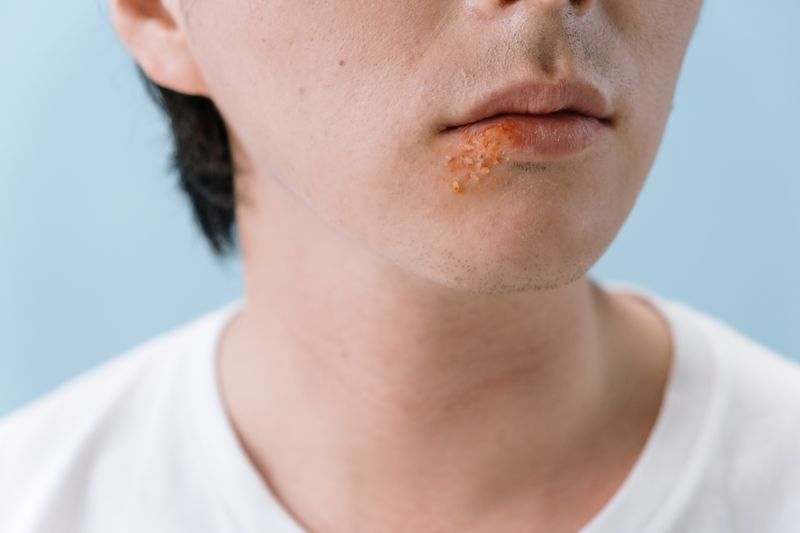
Symptoms — Primary Outbreak vs. Recurrences
Primary (First) Outbreak
- • Prodrome: tingling, itching, or burning before lesions appear
- • Clusters of small vesicles (blisters) that rupture and form ulcers
- • Pain, tenderness, and swollen lymph nodes
- • Systemic flu-like symptoms (fever, headache, myalgia) — more common in primary than recurrent episodes
- • Dysuria (difficulty or pain urinating)
Recurrent Outbreaks
- • Typically shorter duration and less severe than the primary episode
- • Often preceded by the same prodromal sensations
- • Triggered by stress, illness, immunosuppression, hormonal changes, or sun exposure
- • Frequency decreases over time for many individuals
Antiviral Treatment Options
Antiviral medications do not cure herpes but significantly reduce the severity and duration of outbreaks, decrease transmission risk, and — with suppressive therapy — reduce recurrence frequency. Three antivirals are approved for herpes management:
Primary Outbreak Treatment
Valacyclovir
1 g twice daily × 7–10 days
Prodrug of acyclovir; superior oral bioavailability; most commonly used
Acyclovir
400 mg three times daily × 7–10 days
Most cost-effective option; generic widely available
Famciclovir
250 mg three times daily × 7–10 days
Alternative prodrug; equivalent clinical efficacy
Episodic Therapy (Recurrent Outbreaks)
Starting antiviral therapy at the first sign of a prodrome or lesion significantly reduces outbreak duration. Episodic therapy options include:
- Valacyclovir: 500 mg BID × 3 days, or 1 g daily × 5 days
- Acyclovir: 800 mg TID × 2 days, or 400 mg TID × 5 days
- Famciclovir: 1 g BID × 1 day, or 500 mg once then 250 mg BID × 2 days
Suppressive Therapy (Reducing Recurrences)
Daily suppressive therapy is recommended for patients with frequent outbreaks (6 or more per year), significant psychological distress from the diagnosis, or for transmission risk reduction in partnerships with an HSV-negative partner.
- Valacyclovir: 500 mg or 1 g once daily (1 g preferred for patients with 10+ outbreaks/year)
- Acyclovir: 400 mg twice daily
- Famciclovir: 250 mg twice daily
Suppressive therapy with valacyclovir 500 mg daily reduces transmission to an uninfected partner by approximately 48% in heterosexual discordant couples, per the Corey et al. landmark trial. Combined with consistent condom use, the risk reduction is substantially greater.
Transmission Risk Reduction
Daily suppressive antiviral therapy
Reduces both symptomatic and asymptomatic viral shedding
Consistent condom use
Reduces but does not eliminate transmission risk, as shedding can occur from areas not covered by condoms
Avoiding sexual contact during outbreaks
Transmission risk is highest during active outbreaks
Partner counseling and disclosure
Informed partners can discuss their own risk tolerance and protection strategies
A Word on the Emotional Side of a Herpes Diagnosis
Many patients describe a new herpes diagnosis as more emotionally difficult than the physical symptoms. Feelings of shame, anxiety about disclosure, fear about relationships, and stigma are real and valid. Your provider acknowledges these dimensions of care and provides a judgment-free environment to discuss them.
Resources such as the American Sexual Health Association (ASHA), the Herpes Resource Center, and licensed therapists familiar with sexual health can be enormously helpful. You are not alone — and the vast majority of people with herpes live full, connected, and healthy lives.
Herpes Treatment — Frequently Asked Questions
How does an InnoCre telehealth visit work?
After you book, you complete a short intake form, then connect with a board-certified provider by video on the same day in most cases. The provider reviews your symptoms and history, orders lab work at a local lab if needed, and sends any prescription to the pharmacy of your choice. A new-patient visit is a flat $68 with no insurance required.
You May Also Need
Related Articles
You Deserve Thoughtful Care
Evidence-based antiviral therapy and a judgment-free conversation — from the privacy of home.
Book Your Visit Now →Serving DE · MD · WA | HIPAA-Compliant | Board-Certified