Contact Dermatitis Treatment
Itchy, blistering rash from poison ivy, nickel, fragrances, or latex? Get an online evaluation; prescription treatment when clinically appropriate — same-day appointments available in PA, MD, WA & DE.
Irritant vs. Allergic Contact Dermatitis — Key Differences
Contact dermatitis is an inflammatory skin reaction caused by direct skin contact with an offending substance. It is divided into two mechanistically distinct subtypes. Irritant contact dermatitis (ICD) — the more common form, accounting for 80% of cases — results from direct chemical or physical damage to the skin barrier, bypassing the immune system. Common irritants include soaps and detergents, hand sanitizers with repeated use, solvents, acids, alkalis, and prolonged water exposure. ICD tends to be confined to the area of contact and resolves with removal of the irritant and barrier restoration.
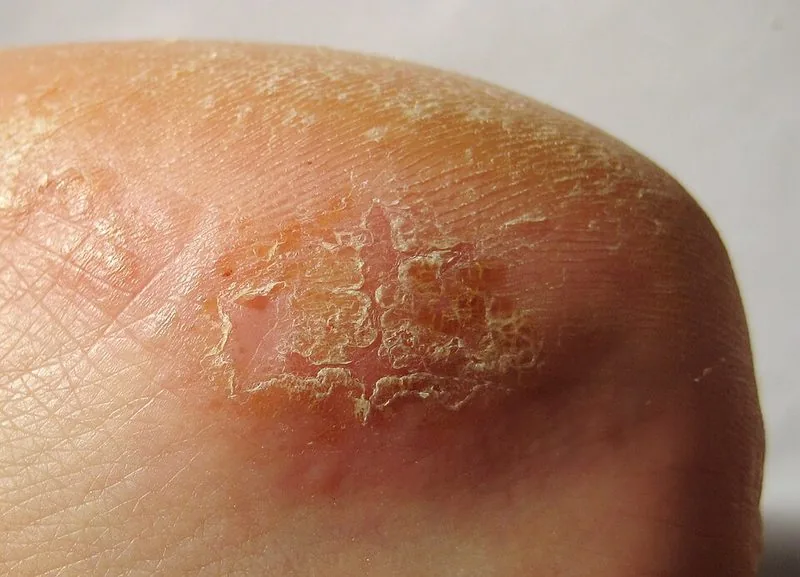
Allergic contact dermatitis (ACD) is a delayed-type (Type IV) hypersensitivity reaction mediated by sensitized T lymphocytes. Initial sensitization requires prior exposure to the allergen — subsequent exposure triggers the immune response, typically within 12–72 hours of contact. ACD can spread beyond the area of contact and can be triggered by minute quantities of the allergen. The most common allergens implicated in ACD include nickel (the most common contact allergen worldwide — found in jewelry, belt buckles, and clothing fasteners), urushiol from poison ivy, oak, and sumac; fragrances and preservatives; latex; topical antibiotics (neomycin); hair dye (p-phenylenediamine); and rubber accelerants.
Our board-certified provider evaluates contact dermatitis via telehealth using detailed exposure history and clinical photo review. The history is central to diagnosis — identifying potential allergens or irritants requires a thorough review of occupational exposures, new or changed products (soaps, lotions, detergents, jewelry), recent outdoor exposures, and the temporal relationship between exposure and rash onset. Formal patch testing — the definitive diagnostic tool for ACD — requires in-person dermatology referral and is ordered when the allergen remains unclear after clinical evaluation.
Common Contact Allergens & Presentations We Treat
Poison Ivy / Oak / Sumac
Linear vesicular rash; urushiol ACD; prednisone taper for severe or widespread cases
Nickel Allergy
Jewelry, watchbands, belt buckles; localized ACD at contact sites; avoidance counseling
Fragrance & Preservative Allergy
Cosmetics, lotions, detergents; widespread ACD; switch to fragrance-free products
Latex Allergy
Gloves, medical devices; ACD or immediate IgE-mediated reaction; avoidance critical
Irritant Dermatitis (Hands)
Healthcare workers, frequent handwashers; barrier restoration, emollients, TCS
Topical Medication Allergy
Neomycin, bacitracin, topical anesthetics; ACD at application site
Hair Dye (PPD) Allergy
Para-phenylenediamine in dark hair dyes; scalp, forehead, neck involvement
Occupational Contact Dermatitis
Construction, healthcare, food service, cosmetology — recurring hand or forearm involvement
Treatment — Steroids, Patch Testing & Trigger Avoidance
The mainstay of contact dermatitis treatment is twofold: remove the offending agent and suppress the inflammatory response. Topical corticosteroids — selected for appropriate potency based on body region and severity — are the primary pharmacological treatment. Mild-to-moderate presentations on the trunk and extremities respond well to mid-potency agents such as triamcinolone 0.1% cream. Severe widespread ACD — particularly from poison ivy exposure — typically requires a course of systemic oral corticosteroids. Prednisone taper protocols for severe poison ivy ACD generally begin at 40–60mg/day and taper over 14–21 days. A short taper (5–7 days) is frequently insufficient and leads to symptom rebound, as urushiol-driven ACD can persist for 2–3 weeks.
Antihistamines — particularly hydroxyzine or diphenhydramine at night — help manage the intense pruritus that accompanies ACD and improve sleep quality during flares. Topical calcineurin inhibitors (tacrolimus, pimecrolimus) are alternatives for sensitive areas or patients who cannot use corticosteroids. Cool compresses and colloidal oatmeal baths provide additional symptomatic relief. Barrier repair with fragrance-free emollients is essential to restore the disrupted skin barrier once the acute phase resolves.
Patch testing — the 48–72 hour application of standardized allergen panels to the back under occlusion — is the definitive diagnostic test for allergic contact dermatitis when the causative allergen is not clinically apparent. Patch testing cannot be performed via telehealth and requires referral to a dermatologist or allergist with patch testing capability. Your provider will refer patients with recurrent or occupation-related ACD to patch testing when indicated, with a clinical summary documenting the history, suspected allergens, and treatment response to expedite the referral.
When to See a Dermatologist In Person
Telehealth is well-suited for most contact dermatitis presentations. In-person dermatology is recommended for:
- • Recurrent or occupational contact dermatitis requiring patch testing to identify the allergen
- • Rash involving the eyes, eyelids, or mucous membranes — requires ophthalmology or dermatology co-evaluation
- • Latex allergy with any history of anaphylaxis — requires formal allergy evaluation and epinephrine auto-injector
- • Widespread blistering reactions not responding to initial steroid treatment
- • Suspected occupational exposure requiring documentation for workers' compensation
Contact Dermatitis — Frequently Asked Questions
How does an InnoCre telehealth visit work?
After you book, you complete a short intake form, then connect with a board-certified provider by video on the same day in most cases. The provider reviews your symptoms and history, orders lab work at a local lab if needed, and sends any prescription to the pharmacy of your choice. A new-patient visit is a flat $68 with no insurance required.
You May Also Need
Stop the Itch — Get Treatment Today
Same-day contact dermatitis care from a board-certified provider. Serving PA, MD, WA & DE.
Book Your Visit Now →Serving DE · MD · WA | HIPAA-Compliant | Board-Certified