Contact dermatitis causes, common irritants, how to identify triggers, and treatment options.
Need Care Today?
Get a same-day telehealth visit with a board-certified provider.
Licensed in PA, MD, WA & DE
Book a Visit →What Is Contact Dermatitis
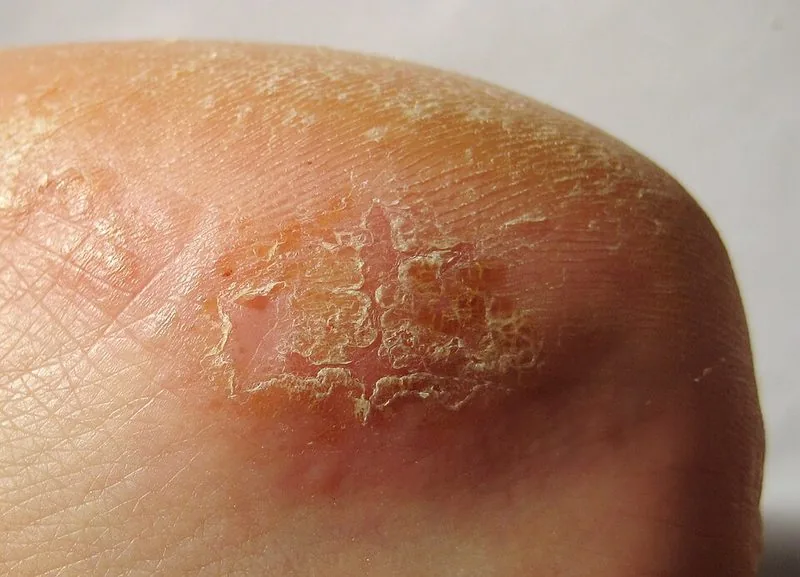
Contact dermatitis is a common inflammatory skin condition that occurs when the skin comes into direct contact with a substance that causes irritation or an allergic reaction. It presents as a red, itchy, and sometimes blistering rash confined to the area where the offending substance touched the skin. Contact dermatitis is not contagious and cannot be spread from person to person.
This condition accounts for a significant portion of dermatology visits and workplace skin complaints. Nearly everyone will experience some form of contact dermatitis at least once in their lifetime, whether from a new laundry detergent, costume jewelry, or exposure to a plant like poison ivy. The rash can range from mild redness and dryness to severe blistering and swelling, depending on the substance and the individual's sensitivity.
While contact dermatitis is uncomfortable, it is highly treatable. Identifying and avoiding the trigger is the most important step, and medications can relieve symptoms while the skin heals. If you have a persistent or worsening rash, a contact dermatitis evaluation can help pinpoint the cause and get you on the right treatment.
Irritant vs Allergic Types
Irritant contact dermatitis is the more common type, accounting for roughly 80% of cases. It occurs when a substance directly damages the outer layer of the skin. Unlike an allergic reaction, irritant dermatitis can happen to anyone with enough exposure. Common culprits include soaps, detergents, solvents, bleach, and prolonged contact with water. The rash typically develops within hours of exposure and is limited to the area of contact. Symptoms include burning, stinging, dryness, and cracking rather than intense itching.
Allergic contact dermatitis involves an immune-mediated hypersensitivity reaction. The body's immune system recognizes a specific substance as foreign and mounts an inflammatory response upon re-exposure. This type requires prior sensitization, meaning the first exposure may not cause any reaction but subsequent exposures trigger the rash. Allergic contact dermatitis tends to be intensely itchy and may feature vesicles (small fluid-filled blisters), swelling, and redness that can extend slightly beyond the area of direct contact.
Distinguishing between the two types matters because treatment and prevention strategies differ. A provider can help determine which type you have based on your history, the pattern of the rash, and, when necessary, patch testing for specific allergens.
Common Triggers
The list of potential contact dermatitis triggers is extensive, but certain substances are responsible for the vast majority of cases. Common irritant triggers include:
- Soaps, hand sanitizers, and detergents
- Cleaning products and solvents
- Prolonged water exposure (wet work)
- Acids, alkalis, and industrial chemicals
- Friction from rough materials or repeated rubbing
Common allergic triggers include:
- Nickel (found in jewelry, belt buckles, eyeglass frames, and zippers)
- Fragrances and preservatives in personal care products
- Poison ivy, poison oak, and poison sumac (urushiol resin)
- Latex (gloves, elastic bands)
- Hair dyes containing paraphenylenediamine (PPD)
- Topical antibiotics such as neomycin and bacitracin
- Adhesives, including those in bandages and medical tape
Occupational exposure is a major risk factor. Healthcare workers, hairdressers, food handlers, construction workers, and cleaning professionals are among the groups most commonly affected by contact dermatitis due to frequent exposure to irritants and allergens on the job.
Identifying Your Trigger
Finding the specific substance responsible for your rash is the single most important step in managing contact dermatitis. Start by considering the location of the rash and what that area of skin has been in contact with. A rash on the wrist may point to a watch or bracelet containing nickel. A rash on the hands may suggest a new soap, cleaning product, or pair of gloves. A rash on the face or neck often implicates cosmetics, fragrances, or hair care products.
Keep a detailed log of any new products, materials, or environmental exposures introduced in the days or weeks before the rash appeared. Note whether the rash improves on weekends or vacations, which may indicate an occupational trigger. Try eliminating one suspected product at a time and observe whether the skin improves over one to two weeks.
When the cause is not obvious, a provider may recommend patch testing. This involves applying small amounts of common allergens to adhesive patches placed on the back for 48 hours, then reading the results at 48 and 96 hours. Patch testing can identify specific allergic triggers and guide long-term avoidance strategies. A rash evaluation visit is a good starting point for patients who need help determining what is causing their skin reaction.
Treatment Options
The first step in treatment is removing exposure to the offending substance. Once the trigger is avoided, most cases of contact dermatitis resolve within two to four weeks. In the meantime, several treatments can relieve symptoms and speed healing:
- Topical corticosteroids are the mainstay of treatment for moderate to severe contact dermatitis. Over-the-counter hydrocortisone (1%) may be sufficient for mild cases, while prescription-strength steroids such as triamcinolone or clobetasol are used for more severe or persistent rashes.
- Emollients and barrier creams help restore the skin's protective barrier. Apply fragrance-free moisturizers liberally and frequently, especially after washing hands or bathing.
- Cool compresses and colloidal oatmeal baths can soothe itching and reduce inflammation in the acute phase.
- Oral antihistamines such as diphenhydramine or cetirizine may help manage itching, particularly at night.
For severe cases involving widespread blistering or significant swelling, a short course of oral corticosteroids (such as prednisone) may be necessary. In cases complicated by secondary bacterial infection from scratching, topical or oral antibiotics may be prescribed. If you have a rash that is not responding to over-the-counter treatments, a provider can assess whether a prescription-strength medication is appropriate.
Prevention Strategies
Once you have identified your trigger, avoidance is the most effective form of prevention. Read ingredient labels carefully on personal care products, cleaning supplies, and cosmetics. Look for products labeled "fragrance-free" (not just "unscented," which may still contain masking fragrances) and "hypoallergenic." Be aware that natural or organic products can still contain potent allergens.
Additional prevention strategies include:
- Wear protective gloves (nitrile if you have a latex allergy) when handling cleaning products, solvents, or other known irritants
- Apply barrier creams or petroleum jelly before anticipated exposure to irritants
- Wash skin promptly after contact with potential triggers, especially plants like poison ivy
- Moisturize regularly to maintain the skin barrier, particularly during cold or dry weather
- Choose nickel-free jewelry and accessories, or coat nickel-containing items with clear nail polish as a temporary barrier
- Use gentle, fragrance-free laundry detergent and skip fabric softeners and dryer sheets if your skin is sensitive
For individuals with eczema or atopic dermatitis, the skin barrier is already compromised, which makes them more susceptible to both irritant and allergic contact dermatitis. Extra diligence with moisturizing and trigger avoidance is especially important in this population.
Getting Treatment Online
Contact dermatitis is well suited to telehealth evaluation. Because the diagnosis is largely based on the appearance and distribution of the rash combined with your exposure history, a provider can often assess the condition effectively through a video visit. You may be asked to show the affected area on camera and describe when the rash started, what products or materials you have been in contact with, and whether you have tried any treatments.
Based on this evaluation, your provider can recommend over-the-counter remedies, prescribe topical or oral medications, and help you develop a plan to identify and avoid your specific triggers. If patch testing or an in-person dermatology referral is needed, your telehealth provider can guide you to the appropriate next steps.
InnoCre Telehealth offers same-day contact dermatitis treatment visits for patients in Pennsylvania, Maryland, Washington, and Delaware. If your rash is making you uncomfortable or not improving with home care, a provider can help you find relief quickly and conveniently from home.
Frequently Asked Questions
What causes contact dermatitis?
Contact dermatitis is caused by direct skin contact with an irritant or allergen. Common culprits include nickel, fragrances, preservatives, latex, poison ivy, and certain chemicals.
How long does contact dermatitis last?
Contact dermatitis typically resolves within 2 to 4 weeks once you avoid the trigger. Severe cases may require prescription treatment to resolve faster.
Is contact dermatitis contagious?
No. Contact dermatitis is an individual reaction and cannot be spread to others through touch or any other means.
Can a telehealth provider treat contact dermatitis?
Yes. A provider can evaluate your rash via video, help identify potential triggers, and prescribe topical steroids or other medications.
How does an InnoCre telehealth visit work?
After you book, you complete a short intake form, then connect with a board-certified provider by video on the same day in most cases. The provider reviews your symptoms and history, orders lab work at a local lab if needed, and sends any prescription to the pharmacy of your choice. A new-patient visit is a flat $68 with no insurance required.
Sources
Clinical references used in this article:
- Contact Dermatitis. MedlinePlus Medical Encyclopedia.
- Rashes. MedlinePlus, National Library of Medicine.
- Skin Conditions. MedlinePlus, National Library of Medicine.
- Eczema. MedlinePlus, National Library of Medicine.
Get the Care You Need Today
A board-certified provider can evaluate your symptoms and recommend treatment. Same-day visits available for patients in Pennsylvania, Maryland, Washington, and Delaware.
Book a Visit →Visits start at $68 · HSA/FSA accepted · PA, MD, WA & DE
Atul S. Vellappally, DNP, CRNP, FNP-BC
Founder, InnoCre Telehealth. Board-certified Family Nurse Practitioner with doctoral-level training in evidence-based and precision medicine. Licensed in Pennsylvania, Maryland, Washington, and Delaware.
This article is for informational purposes only and does not constitute medical advice. If you are experiencing a medical emergency, call 911.
Related Services