What Is a Fever?
A fever is defined as a core body temperature of 100.4°F (38°C) or higher. It is not a disease in itself but rather a physiological response — the body's innate immune system raising core temperature to create an inhospitable environment for invading pathogens while enhancing immune cell activity. Fever is one of the most common reasons adults seek medical care, accounting for millions of urgent care visits annually. In healthy adults, most fevers are self-limiting and resolve within 3–5 days. However, the pattern, height, associated symptoms, and patient risk factors all help determine whether intervention is necessary.
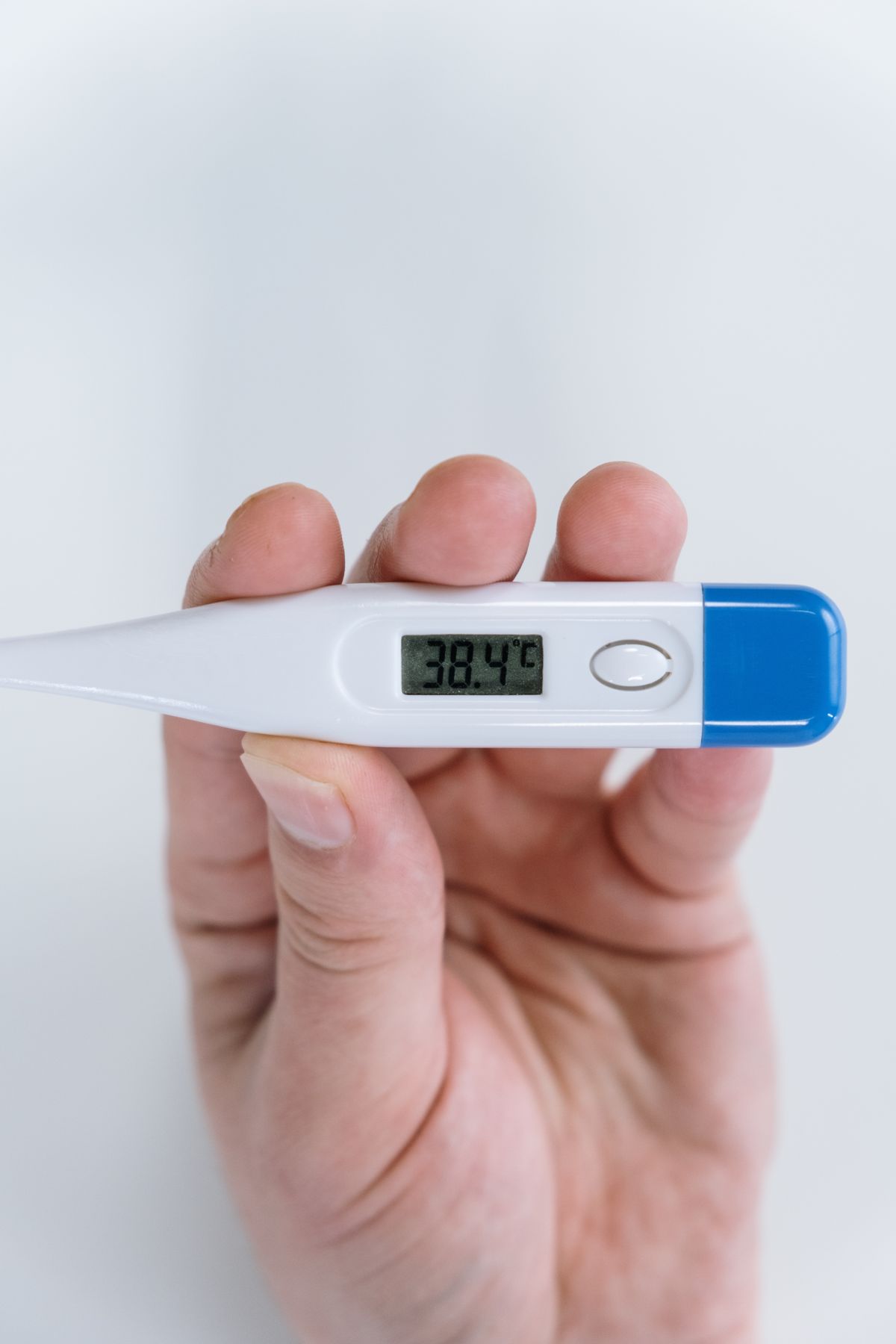
The overwhelming majority of fevers in adults are caused by viral infections — influenza, COVID-19, rhinovirus, adenovirus, and enteroviruses being among the most common. Bacterial infections such as streptococcal pharyngitis, urinary tract infections, pneumonia, and sinusitis can also cause fever and typically require antibiotic treatment. Distinguishing viral from bacterial cause is a core clinical skill; unnecessary antibiotic prescribing contributes to antimicrobial resistance and adverse drug effects. At Innocre Telehealth, our board-certified provider, applies evidence-based clinical decision rules and a thorough history to guide appropriate treatment decisions for patients in Delaware, Maryland, and Washington.
Telehealth is well-suited for uncomplicated fever evaluation in adults because a thorough history — onset, associated symptoms, sick contacts, recent travel, immunization status, and chronic conditions — provides the diagnostic clarity needed to form a treatment plan. your provider can assess your clinical picture, recommend targeted over-the-counter therapies, order laboratory work at a local facility if needed, and prescribe antibiotics when a bacterial source is identified. Patients who appear seriously ill or who have high-risk comorbidities may be directed to in-person care or the emergency department.
Common Symptoms
Elevated body temperature ≥100.4°F (38°C)
Measured orally, tympanically, or rectally
Chills and rigors
Shivering as the body raises its temperature set-point
Sweating
Profuse diaphoresis as fever breaks
Headache
Diffuse, often worsened with movement
Muscle aches (myalgia)
Diffuse body aches common with influenza and viral illness
Loss of appetite
Reduced desire to eat due to systemic inflammation
Fatigue and weakness
Profound tiredness, sometimes lasting days after fever resolves
Localizing symptoms
Sore throat, dysuria, cough, or ear pain pointing to specific infection source
How Innocre Treats Fever Online
The first goal of a fever evaluation at Innocre Telehealth is to determine the underlying cause. your board-certified provider takes a detailed history covering symptom onset and duration, associated symptoms, recent sick contacts, travel history, vaccination status, and relevant chronic conditions. Using this information alongside evidence-based clinical decision tools, he determines whether a bacterial source requiring antibiotic therapy is likely, or whether supportive care for a viral illness is the appropriate course. When warranted, he can order a CBC with differential, comprehensive metabolic panel, throat culture, urinalysis, or rapid influenza and COVID-19 testing at a lab near you in Delaware, Maryland, or Washington.
For symptomatic fever management, acetaminophen (650–1000 mg every 6–8 hours, max 3–4 g/day) and ibuprofen (400–600 mg every 6–8 hours with food) are the recommended agents. Both reduce fever by inhibiting prostaglandin synthesis; alternating them can provide more consistent temperature control in adults with significant discomfort. Adequate fluid intake is critical — fever increases insensible water losses, and mild dehydration can worsen symptoms. When a bacterial infection is confirmed or highly suspected, your provider e-prescribes targeted antibiotics to your local pharmacy with careful consideration of local resistance patterns and allergy history.
Telehealth fever management is most appropriate for adults with uncomplicated presentations — low to moderate grade fever with clear viral symptoms, no signs of serious bacterial infection, and no high-risk immunocompromising conditions. Patients who are immunocompromised, pregnant, have returned from malaria-endemic regions, or present with fever of unknown origin lasting more than 3 weeks require in-person evaluation and are directed accordingly. your provider's approach aligns with CDC and Infectious Disease Society of America (IDSA) guidance on appropriate antibiotic stewardship.
⚠️ When to Go to the Emergency Room
Telehealth is appropriate for most uncomplicated adult fevers. Seek emergency care immediately if you experience:
- • Fever above 103°F (39.4°C) accompanied by stiff neck, severe headache, sensitivity to light, or rash — signs of possible meningitis
- • Fever in any infant under 3 months of age — requires immediate emergency evaluation regardless of height
- • Febrile seizure — any seizure activity occurring in association with fever
- • Fever with difficulty breathing, rapid respiratory rate, or chest pain suggesting pneumonia or sepsis
- • Fever with altered mental status, confusion, extreme lethargy, or signs of severe dehydration such as inability to keep fluids down