Few symptoms produce as much immediate anxiety as chest tightness. The chest houses the heart and lungs, and any discomfort in that area naturally raises the question: is this my heart? The answer, more often than not, is no. Non-cardiac causes account for the majority of chest tightness presentations in outpatient settings.1 However, distinguishing benign causes from those that require urgent attention is essential. This article walks through seven of the most common reasons for chest tightness and provides clear guidance on when emergency care is needed versus when a telehealth visit is the right next step.
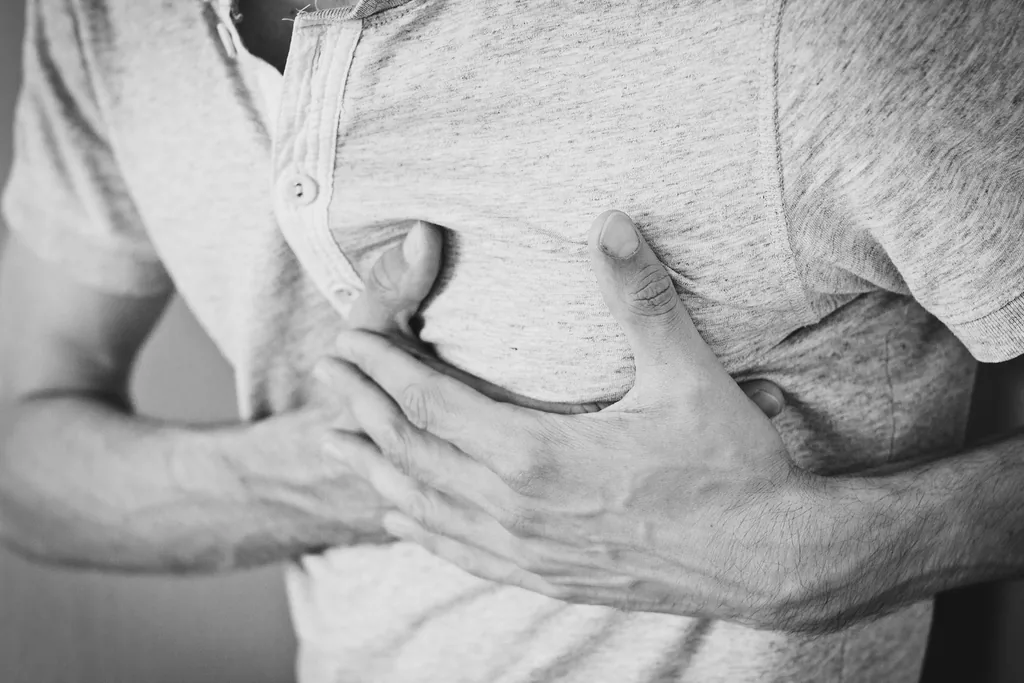
Important: When to Call 911
Before discussing the seven causes, it is critical to emphasize when chest tightness is a medical emergency. Call 911 immediately if you experience any of the following:
- Chest pressure or pain radiating to the left arm, jaw, neck, or back
- Severe shortness of breath at rest
- Cold sweats, nausea, or vomiting with chest discomfort
- Sudden onset of chest tightness with lightheadedness or fainting
- A history of heart disease with new or changing symptoms
These symptoms suggest a possible heart attack, pulmonary embolism, or other life-threatening condition. Do not wait to see if they improve.
1. Anxiety and Panic Attacks
Anxiety is one of the leading non-cardiac causes of chest tightness, particularly in adults under 40. During a panic attack, the sympathetic nervous system floods the body with adrenaline, producing rapid heart rate, hyperventilation, muscle tension, and heightened sensory awareness. Hyperventilation shifts the body's acid-base balance, which can cause tingling, dizziness, and a sensation of chest constriction. The chest wall muscles themselves tighten, adding a physical component to the experience.2
Panic-related chest tightness often peaks within 10 minutes and resolves within 30 minutes, though residual soreness can linger. The symptoms can be so convincing that distinguishing them from cardiac events without clinical evaluation is sometimes impossible, which is why a baseline workup provides valuable reassurance.
2. Gastroesophageal Reflux Disease (GERD)
GERD is responsible for a large proportion of non-cardiac chest pain. Acid from the stomach refluxes into the esophagus, which runs directly behind the heart. The resulting irritation produces burning, pressure, or tightness in the central chest, often worse after meals, when bending over, or when lying flat. Some patients experience a sensation of food sticking in the chest or a chronic cough without typical heartburn.3
Clues that point toward GERD include symptoms that worsen after eating, improve with antacids, are associated with a sour taste in the mouth, and have no relationship to physical exertion. A trial of a proton pump inhibitor (PPI) for two to four weeks can serve as both a diagnostic and therapeutic tool.
3. Asthma and Reactive Airway Disease
Asthma does not always present with dramatic wheezing. Many patients describe the predominant symptom as chest tightness or a sensation that breathing requires more effort than usual. Exercise-induced bronchoconstriction, cold air exposure, and allergen triggers can all produce chest tightness as the airways narrow. Cough-variant asthma, in which cough is the primary symptom, often accompanies a sense of chest constriction.4
If chest tightness occurs with exercise, cold air exposure, or known allergen contact, and resolves with rest or an inhaler, asthma should be high on the differential. Diagnosis is confirmed with pulmonary function testing (spirometry) and a bronchodilator challenge.
4. Costochondritis
Costochondritis is inflammation of the costochondral junctions—the cartilage connecting the ribs to the breastbone. It is one of the most common causes of chest pain in primary care and produces a sharp, localized tightness or pain that worsens with deep breathing, coughing, or pressing on the affected area. The second through fifth costochondral junctions are most frequently involved.5
The hallmark feature is reproducibility: pressing on the sternum or the rib junction reproduces the exact pain. This distinguishes it from cardiac and visceral causes, which are not reproducible with palpation. Treatment involves NSAIDs (ibuprofen or naproxen), rest, and occasionally ice or heat application. The condition is self-limiting, though it can take several weeks to resolve.
5. Muscle Strain
The chest wall contains multiple layers of muscles, including the pectorals, intercostals, and serratus anterior. Overuse, heavy lifting, vigorous coughing, or even sleeping in an awkward position can strain these muscles, producing tightness, tenderness, and pain that worsens with movement or specific arm positions. Muscle strain is especially common after new exercise routines or upper-body workouts.
Unlike cardiac pain, muscle strain is typically positional (certain movements make it worse), tender to touch, and absent at rest. It responds well to rest, anti-inflammatory medications, gentle stretching, and time.
6. Respiratory Infections
Acute bronchitis, pneumonia, and pleurisy (inflammation of the lining around the lungs) can all produce chest tightness. Bronchitis typically presents with a persistent cough, mucus production, and a sensation of heaviness or tightness in the chest. Pneumonia adds fever, chills, and shortness of breath. Pleurisy produces a sharp chest pain that worsens with breathing, as the inflamed pleural layers rub against each other.6
If chest tightness is accompanied by fever, productive cough, or worsening shortness of breath, a provider evaluation is warranted. A telehealth visit can guide whether antibiotics, imaging, or an in-person visit is needed.
7. Cardiac Causes
While less common in younger, otherwise healthy adults, cardiac causes must always be considered. Angina (chest tightness from reduced blood flow to the heart) typically occurs with physical exertion or emotional stress and resolves with rest. It is more likely in patients with risk factors such as hypertension, diabetes, smoking, high cholesterol, or a family history of premature coronary artery disease.
Other cardiac causes include pericarditis (inflammation of the sac around the heart), which produces sharp pain worsened by lying down and improved by leaning forward, and mitral valve prolapse, which may cause intermittent chest discomfort and palpitations. Any chest tightness that occurs consistently with exertion, worsens over time, or is accompanied by shortness of breath on exertion warrants a cardiac evaluation including an EKG and possibly stress testing.7
How Is the Cause Determined?
Evaluation begins with a detailed history: the character of the tightness (sharp, dull, burning, pressure), its triggers (exertion, meals, breathing, stress), associated symptoms, duration, and relevant medical history and medications. Based on the clinical picture, your provider may order an EKG, chest X-ray, blood work (troponin, CBC, thyroid, BMP), pulmonary function tests, or a trial of medication (such as a PPI for suspected GERD or an inhaler for suspected asthma).
Telehealth is an excellent platform for the initial evaluation of non-emergency chest tightness. Your provider can conduct a thorough history, order the appropriate tests at a local facility, and determine the most likely cause. If the evaluation suggests a cardiac origin, you will be referred for in-person cardiac testing.
The Bottom Line
Chest tightness is a symptom with a broad differential diagnosis, spanning from entirely benign muscle strain to conditions requiring urgent care. The good news is that most causes are treatable once identified. The most important step is clinical evaluation—it establishes a baseline, rules out dangerous causes, and creates a path toward treatment. For non-emergency presentations, a telehealth visit is a convenient and effective starting point that can save you time and provide direction.
Chest tightness is a potential emergency if it is accompanied by pain radiating to the arm, jaw, or back; severe shortness of breath; sweating; nausea; lightheadedness; or a sense of impending doom. These symptoms suggest a possible cardiac event and warrant calling 911 immediately. Chest tightness that is positional, reproducible with touch, related to eating, or associated with anxiety is more likely to have a non-cardiac cause, but should still be evaluated if recurrent.
Get the Care You Need Today
A board-certified provider can evaluate your symptoms and recommend treatment. Same-day visits available for patients in Pennsylvania, Maryland, Washington, and Delaware.
Book a Visit →Visits start at $68 · HSA/FSA accepted · PA, MD, WA & DE
Frequently Asked Questions
How do I know if chest tightness is serious?
Chest tightness is a potential emergency if it is accompanied by pain radiating to the arm, jaw, or back; severe shortness of breath; sweating; nausea; lightheadedness; or a sense of impending doom. These symptoms suggest a possible cardiac event and warrant calling 911 immediately. Chest tightness that is positional, reproducible with touch, related to eating, or associated with anxiety is more likely to have a non-cardiac cause, but should still be evaluated if recurrent.
Can anxiety cause chest tightness?
Yes. Anxiety and panic attacks frequently cause chest tightness, chest pressure, and even sharp chest pain. The mechanism involves hyperventilation, increased muscle tension in the chest wall, and heightened awareness of normal bodily sensations. Anxiety-related chest tightness can feel very similar to cardiac symptoms, which is why many patients with panic attacks present to emergency rooms. A provider can help distinguish the two and develop a management plan.
Can acid reflux cause chest tightness?
Yes. GERD is one of the most common non-cardiac causes of chest tightness or burning. The discomfort often appears after meals, when lying down, or in the early morning, and may be relieved by antacids. Because reflux pain and cardiac pain can feel similar, persistent or new chest tightness should still be evaluated to rule out cardiac causes before attributing it to reflux.
What does muscle-related chest tightness feel like?
Musculoskeletal chest pain (costochondritis or muscle strain) is usually localized to one spot, reproducible by pressing on the chest, worsened by certain movements or deep breathing, and unrelated to exertion. It often follows recent exercise, heavy lifting, coughing, or sleeping in an awkward position. NSAIDs, gentle stretching, and rest usually help over 1 to 2 weeks.
Should I go to the ER for chest tightness?
Call 911 or go to the ER immediately for chest tightness with pain radiating to the arm or jaw, severe shortness of breath, sweating, nausea, fainting, irregular heartbeat, or symptoms lasting more than a few minutes, especially if you have heart disease risk factors. Mild, brief, or clearly positional or activity-related tightness can usually be evaluated by a provider in an outpatient setting.
Can asthma cause chest tightness without obvious wheezing?
Yes. Some people experience asthma primarily as chest tightness with cough or mild shortness of breath, even without audible wheezing. Tightness that worsens with exercise, cold air, allergens, or respiratory infections suggests airway involvement. A provider can use peak flow measurement or referral for spirometry to evaluate and guide treatment with inhalers if appropriate.
How long is too long for chest tightness to last?
Any chest tightness lasting more than a few minutes that is unexplained, new, or associated with exertion deserves prompt evaluation. Tightness that comes and goes over days or weeks should also be evaluated, even if mild. Episodic tightness clearly tied to a specific trigger (anxiety, exertion limit, eating) is less concerning but still worth discussing with a provider.
Can a telehealth provider evaluate chest tightness?
A telehealth visit is a reasonable first step for mild, stable, or recurring chest tightness without red flags. The provider will take a detailed history, assess risk factors, and recommend either a treatment trial (such as a reflux medication) or referral for in-person testing like ECG, chest X-ray, or stress testing when appropriate. InnoCre serves adults and adolescents 12 and older in PA, MD, WA, and DE. Acute or severe symptoms require emergency care, not telehealth.
What lifestyle changes can reduce chest tightness?
Stopping smoking, reducing alcohol and caffeine, regular moderate exercise, managing stress with breathing techniques, maintaining a healthy weight, and avoiding reflux triggers (large or late meals, lying down soon after eating) all reduce many causes of chest tightness. If you have known asthma or GERD, consistent use of prescribed maintenance medications reduces flare frequency.
Can chest tightness come from a problem in my back or neck?
Yes. Tight chest wall muscles, intercostal strain, costochondritis, and pinched nerves in the upper spine can all radiate to the front of the chest and feel like deep tightness. The pain typically changes with posture, twisting, or pressing on a specific spot, which is different from cardiac pain. A clinician can usually distinguish musculoskeletal causes through history and a focused exam.
How does an InnoCre telehealth visit work?
After you book, you complete a short intake form, then connect with a board-certified provider by video on the same day in most cases. The provider reviews your symptoms and history, orders lab work at a local lab if needed, and sends any prescription to the pharmacy of your choice. A new-patient visit is a flat $68 with no insurance required.
Atul S. Vellappally, DNP, CRNP, FNP-BC
Founder, InnoCre Telehealth. Board-certified Family Nurse Practitioner with doctoral-level training in evidence-based and precision medicine. Licensed in Pennsylvania, Maryland, Washington, and Delaware.
This article is for informational purposes only and does not constitute medical advice. If you are experiencing a medical emergency, call 911.
Related Services
Related Articles
Related Services