Not all rashes need a doctor visit. Learn which rashes are serious, when to seek care, and how telehealth can help evaluate skin conditions.
Need Care Today?
Get a same-day telehealth visit with a board-certified provider.
Licensed in MD, WA & DE
Book a Visit →Types of Rashes
Rashes come in many forms, and understanding the basic types can help you determine how urgently you need care. While a provider should make the definitive diagnosis, knowing the general categories can guide your next steps:
- Eczema (atopic dermatitis): Dry, itchy, red patches that often appear on the inner elbows, behind the knees, and on the face or hands. Eczema is chronic and tends to flare with triggers like stress, dry weather, or irritants.
- Contact dermatitis: A red, itchy rash that develops where the skin has come into direct contact with an irritant or allergen, such as poison ivy, nickel, fragrances, or harsh chemicals.
- Hives (urticaria): Raised, red, itchy welts that can appear anywhere on the body. They often result from allergic reactions to foods, medications, or environmental triggers and can shift location within hours.
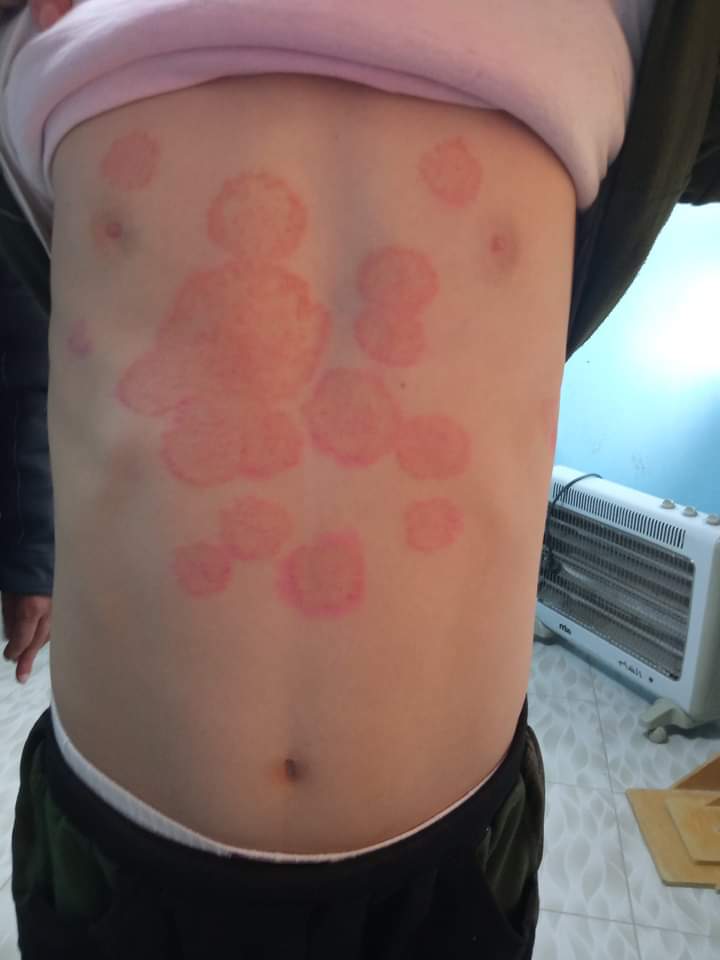
- Fungal infections: Ringworm, jock itch, and athlete's foot produce red, scaly, ring-shaped or well-defined patches that may itch or burn.
- Viral rashes: Infections such as shingles, hand-foot-and-mouth disease, or fifth disease produce characteristic rash patterns that are often accompanied by other symptoms.
- Bacterial skin infections: Cellulitis and impetigo cause red, warm, swollen areas that may have drainage or crusting.
A telehealth rash evaluation can help identify the type of rash you have and recommend the appropriate treatment approach.
Rash Warning Signs
While most rashes are benign and self-limiting, certain features indicate a potentially serious condition that requires prompt medical attention. Watch for these warning signs:
- Rapid spread: A rash that covers large areas of the body within hours or spreads noticeably from one examination to the next
- Fever: Any rash accompanied by a temperature of 100.4 degrees F (38 degrees C) or higher may indicate an infection or systemic illness
- Blistering or skin peeling: Blisters, especially if widespread or involving mucous membranes (mouth, eyes, genitals), can signal serious drug reactions like Stevens-Johnson syndrome
- Purplish spots that do not blanch: Petechiae or purpura (small red-purple dots that do not fade when you press a glass against them) may indicate a bleeding disorder or meningitis
- Pain disproportionate to appearance: Severe pain, especially in a band-like pattern on one side of the body, may suggest shingles
- Signs of infection: Increasing warmth, swelling, red streaking, pus drainage, or worsening tenderness around a rash
- New medication association: A rash that appears within days to weeks of starting a new medication
- Difficulty breathing or swelling: Any rash accompanied by throat tightness, lip or tongue swelling, or breathing difficulty (signs of anaphylaxis)
If you notice any of these warning signs, do not wait to see if the rash improves on its own. Seek medical evaluation promptly.
When to Wait It Out
Many rashes are mild and will resolve on their own or with basic home care. You can generally take a watchful waiting approach if the rash meets all of the following criteria:
- The rash is limited to a small area and is not spreading rapidly
- You have no fever or other systemic symptoms (body aches, fatigue, malaise)
- The rash is mildly itchy but not painful
- There are no blisters, open sores, or signs of infection
- You can identify a likely cause (new soap, detergent, plant exposure, insect bite)
- The rash is not located on the face, near the eyes, or on the genitals
For mild rashes, home care steps include applying a fragrance-free moisturizer or hydrocortisone cream (1%), avoiding scratching, taking lukewarm (not hot) showers, wearing loose and soft clothing, and taking an oral antihistamine such as diphenhydramine or cetirizine for itch relief.
If a rash does not improve within one to two weeks of home treatment, or if it worsens at any point, schedule a visit with a provider for proper evaluation. Even mild-appearing rashes can sometimes benefit from prescription treatment to resolve faster and more completely.
When to See a Provider
Between the extremes of watching and waiting versus going to the emergency room, there is a large middle ground where a prompt provider visit is the right call. Schedule a telehealth or office visit when:
- A rash persists for more than two weeks despite home treatment
- The rash is painful, not just itchy
- The rash is interfering with your sleep or daily activities
- You develop a new rash after starting a medication (but are not having breathing difficulty or severe symptoms)
- The rash appears infected: increased redness, warmth, swelling, crusting, or drainage
- The rash is recurrent, occurring in the same location or pattern repeatedly
- The rash involves sensitive areas such as the face, hands, feet, or groin
- You have a known skin condition (eczema, psoriasis) that is flaring and not responding to your usual treatment
- The rash appeared after a known exposure to an allergen or irritant and is not improving
A provider can evaluate the rash, determine its cause, and prescribe targeted treatment such as prescription-strength topical corticosteroids, antifungal medications, or antibiotics, depending on the diagnosis. Online rash treatment through telehealth is an efficient way to get expert evaluation without waiting weeks for a dermatology appointment.
When to Go to the ER
Certain rash presentations constitute medical emergencies and require immediate emergency room evaluation. Go to the ER or call 911 if a rash is accompanied by any of the following:
- Anaphylaxis symptoms: Difficulty breathing, throat swelling, tongue swelling, wheezing, rapid heart rate, or dizziness. This is a life-threatening allergic reaction. Use an epinephrine auto-injector (EpiPen) if available and call 911 immediately.
- Widespread blistering or skin peeling: Large areas of blistering, skin sloughing, or involvement of the mouth, eyes, or genital mucous membranes may indicate Stevens-Johnson syndrome or toxic epidermal necrolysis, which are medical emergencies often triggered by medications.
- Non-blanching purpura with fever: A rash of small red-purple spots that do not fade under pressure, combined with fever and feeling very ill, may indicate meningococcemia or other serious bloodstream infections.
- High fever with widespread rash: A fever above 103 degrees F (39.4 degrees C) with a rapidly spreading rash warrants emergency evaluation.
- Red streaking from a wound or bite: Red streaks extending from a skin lesion toward the heart indicate spreading infection (lymphangitis) that may lead to sepsis without prompt treatment.
- Rapidly expanding facial swelling: Sudden swelling around the eyes, lips, or face, especially with hives, may precede airway compromise.
When in doubt about whether a rash requires emergency care, err on the side of caution. It is always better to be evaluated and reassured than to delay treatment for a serious condition.
How Telehealth Rash Evaluation Works

Many rashes can be evaluated via telehealth using photos and video consultation.
Telehealth is well-suited for evaluating many types of rashes. Skin conditions are highly visual, and a combination of video assessment and patient-submitted photographs allows providers to make accurate diagnoses for the majority of common rashes. Here is how a telehealth rash evaluation works at InnoCre:
- Book your visit: Schedule a same-day rash treatment appointment online.
- Prepare photographs: Before your visit, take clear, well-lit photos of the rash from multiple angles. Include a close-up shot showing the texture and detail, as well as a wider shot showing the extent and distribution of the rash. Natural daylight produces the best photo quality.
- Video consultation: During the visit, your provider will review your photos, ask about the rash's onset, progression, associated symptoms, recent exposures, and relevant medical history. They may ask you to show the affected area on camera for real-time assessment.
- Diagnosis and treatment: Based on the evaluation, your provider will explain the likely diagnosis and prescribe appropriate treatment. This may include topical corticosteroids for eczema or contact dermatitis, antihistamines for hives, antifungal creams for fungal infections, or antibiotics for bacterial skin infections.
If your provider determines that an in-person examination, skin biopsy, or specialized testing is needed, they will guide you to the appropriate next step. InnoCre Telehealth offers same-day rash evaluations for patients in Maryland, Washington, and Delaware.
Frequently Asked Questions
When is a rash serious?
A rash is potentially serious if it spreads rapidly, is accompanied by fever, causes blistering or open sores, involves the eyes or mouth, or follows a new medication.
Can a telehealth provider diagnose a rash?
Yes. Many rashes can be evaluated via telehealth using video and photos. A provider can assess the appearance, distribution, and associated symptoms to recommend treatment.
What does a rash from an allergic reaction look like?
Allergic rashes often appear as hives (raised, red, itchy welts), widespread redness, or eczema-like patches. They typically develop within hours of exposure to the allergen.
How long should I wait to see a doctor for a rash?
See a provider promptly if a rash is spreading, painful, infected-looking, or accompanied by other symptoms. Rashes that do not improve within 2 weeks of home treatment should be evaluated.
Get the Care You Need Today
A board-certified provider can evaluate your symptoms and recommend treatment. Same-day visits available for patients in Maryland, Washington, and Delaware.
Book a Visit →Visits start at $68 · Insurance accepted · MD, WA & DE
Atul S. Vellappally, DNP, CRNP, FNP-BC
Founder, InnoCre Telehealth. Board-certified Family Nurse Practitioner with doctoral-level training in evidence-based and precision medicine. Licensed in Maryland, Washington, and Delaware.
This article is for informational purposes only and does not constitute medical advice. If you are experiencing a medical emergency, call 911.
Related Services