Understanding Urticaria — Pathophysiology, Acute vs. Chronic
Hives (urticaria) affect about 20% of people at some point in their lives. They are one of the most common skin complaints seen in primary care.
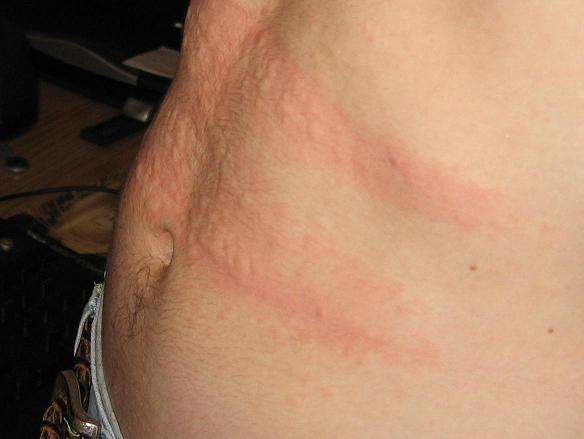
Hives happen when certain immune cells in the skin release histamine and other chemicals. This causes small blood vessels to leak fluid, creating raised, red, intensely itchy welts. Each welt usually appears, peaks, and fades within 24 hours at a single spot — which sets hives apart from other skin conditions that stay in one place.
Hives are grouped into two types based on how long they last:
- Acute hives (less than 6 weeks) — the most common type, often with an identifiable trigger such as foods, medications, insect stings, infections, or physical triggers like cold or exercise
- Chronic hives (more than 6 weeks) — harder to pin down. A specific cause is found in fewer than half of cases. Many cases involve the immune system mistakenly activating skin cells on its own.
Common triggers include:
- Foods: tree nuts, shellfish, peanuts, eggs, dairy
- Medications: NSAIDs (ibuprofen, naproxen), aspirin, ACE inhibitors, penicillin
- Viral infections — the most common trigger in everyday practice
- Physical factors: cold, heat, pressure, exercise
Our board-certified provider conducts a structured evaluation. This includes reviewing potential triggers, medications, recent illnesses, diet, and any signs of swelling (angioedema). Please photograph your welts before the visit — their appearance helps confirm the diagnosis. The most important first question is whether your hives are occurring alone or with warning signs like throat tightness, lip or tongue swelling, or trouble breathing. Those signs point to anaphylaxis — a life-threatening allergic reaction that needs epinephrine and emergency care, not telehealth.
Common Triggers & Presentations We Evaluate
Food-Triggered Acute Urticaria
Tree nuts, shellfish, peanuts, eggs — wheals within 2 hours of ingestion
Medication-Induced Urticaria
NSAIDs (ibuprofen, naproxen), ACE inhibitors, penicillin-class antibiotics
Viral Infection-Associated Urticaria
Most common trigger — hives during or shortly after a cold, flu, or GI illness
Chronic Spontaneous Urticaria
Daily or near-daily hives >6 weeks; often autoimmune; requires systematic management
Physical Urticaria
Cold urticaria, dermographism, pressure urticaria, cholinergic (exercise-induced)
Stress-Related Urticaria
Stress exacerbates mast cell reactivity; common in chronic urticaria patients
Contact Urticaria
Latex, certain foods on skin, cosmetic ingredients — immediate-type reaction at contact site
Idiopathic Urticaria
No identifiable trigger — requires long-term antihistamine therapy and allergy follow-up
Urticaria Treatment — Antihistamines, Steroids & Chronic Management
The preferred first-line treatment for all types of hives is a non-drowsy daily antihistamine. Good options include:
- Cetirizine (Zyrtec) 10 mg daily
- Loratadine (Claritin) 10 mg daily
- Fexofenadine (Allegra) 180 mg daily
If the standard dose is not enough, guidelines recommend increasing up to 4 times the normal dose before adding other medications. Benadryl (diphenhydramine) can help with severe flares or nighttime itching, but it causes drowsiness and is not ideal for daily long-term use.
When antihistamines alone are not enough:
- Short oral steroid course (prednisone 40 mg daily for 3–5 days) — provides fast relief for severe flares. Not for long-term use due to side effects.
- Adding famotidine (an H2 blocker) to your daily antihistamine — can boost effectiveness in some patients
- Montelukast — may help if your hives are triggered by aspirin or NSAIDs
For chronic hives that do not respond to antihistamines, omalizumab (Xolair) is an FDA-approved monthly injection. It works by blocking IgE, a key player in the allergic response. Xolair requires management by an allergy or skin specialist. Your Innocre provider will identify if you are a candidate and coordinate a referral to the right specialist.
Emergency Warning — Anaphylaxis Requires Epinephrine and 911
Urticaria with any of the following features is anaphylaxis — a life-threatening emergency. Call 911 immediately and use your epinephrine auto-injector (EpiPen) if available:
- CALL 911: Throat tightness, difficulty swallowing, sensation of throat closing — upper airway angioedema can rapidly obstruct the airway
- CALL 911: Difficulty breathing, wheezing, or stridor — bronchospasm or laryngeal edema
- CALL 911: Lip, tongue, or facial swelling (angioedema) especially if rapidly progressing
- • Dizziness, lightheadedness, loss of consciousness — anaphylactic shock
- • Severe abdominal cramping and vomiting during a suspected allergic reaction
- • Do NOT rely on antihistamines or telehealth for anaphylaxis — epinephrine is the only first-line treatment